
Last updated August 27, 2026
Free in-home measure and quote - PGT, CGI and CWS impact lines compared on your actual openings, style by style
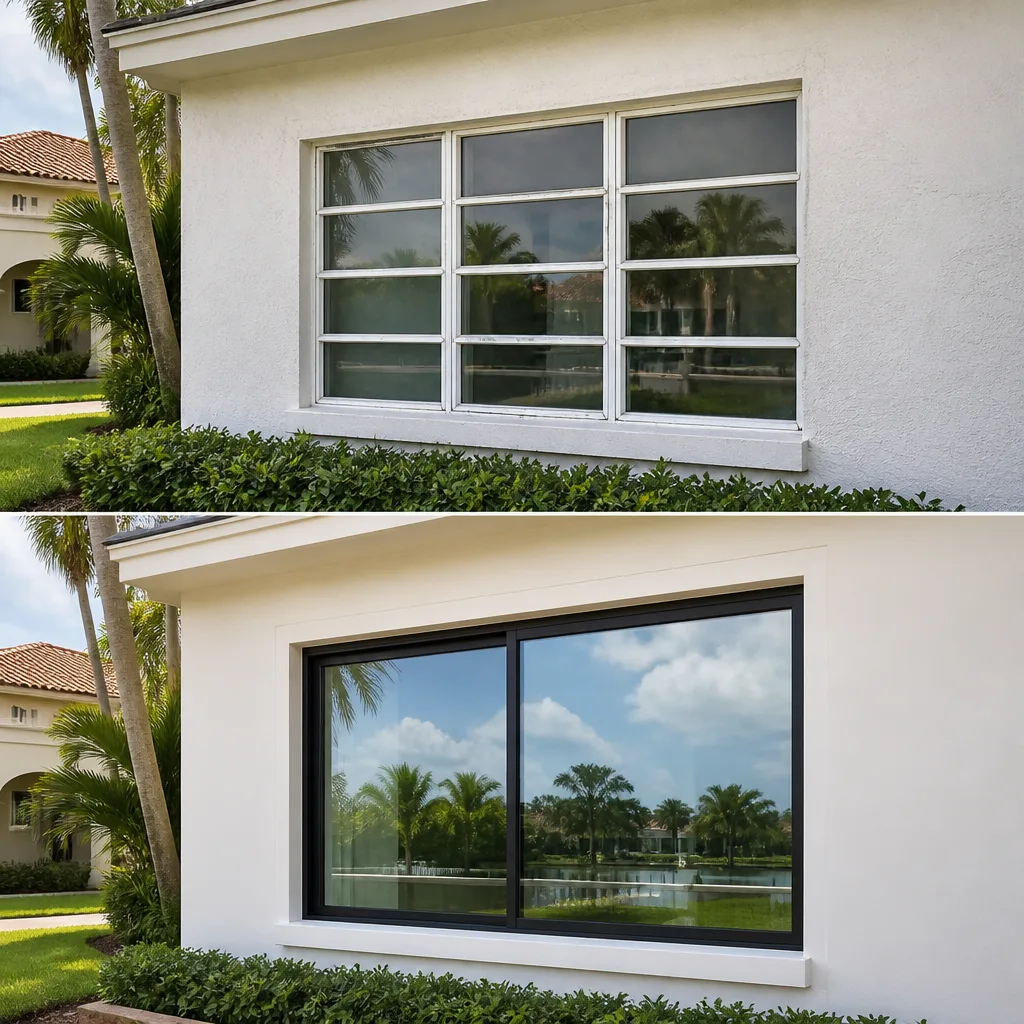
 Before
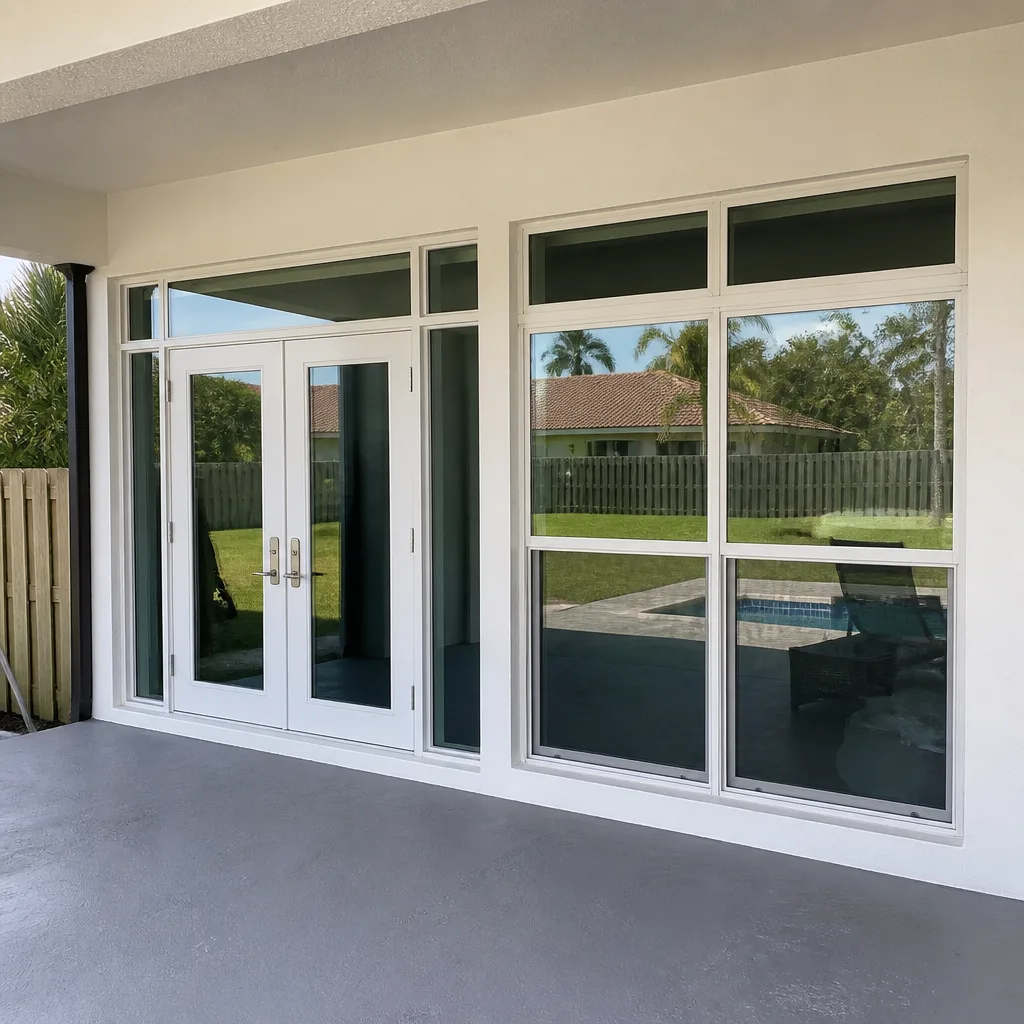 After
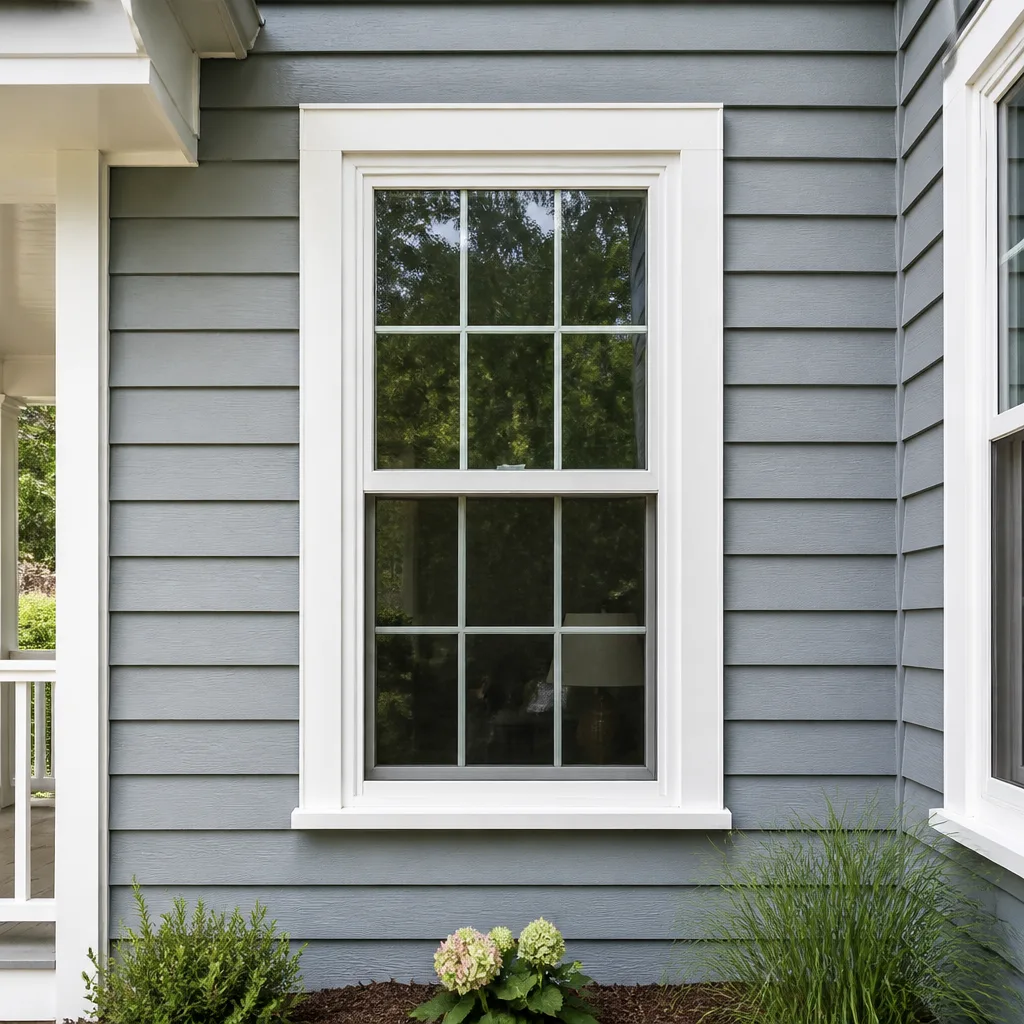
After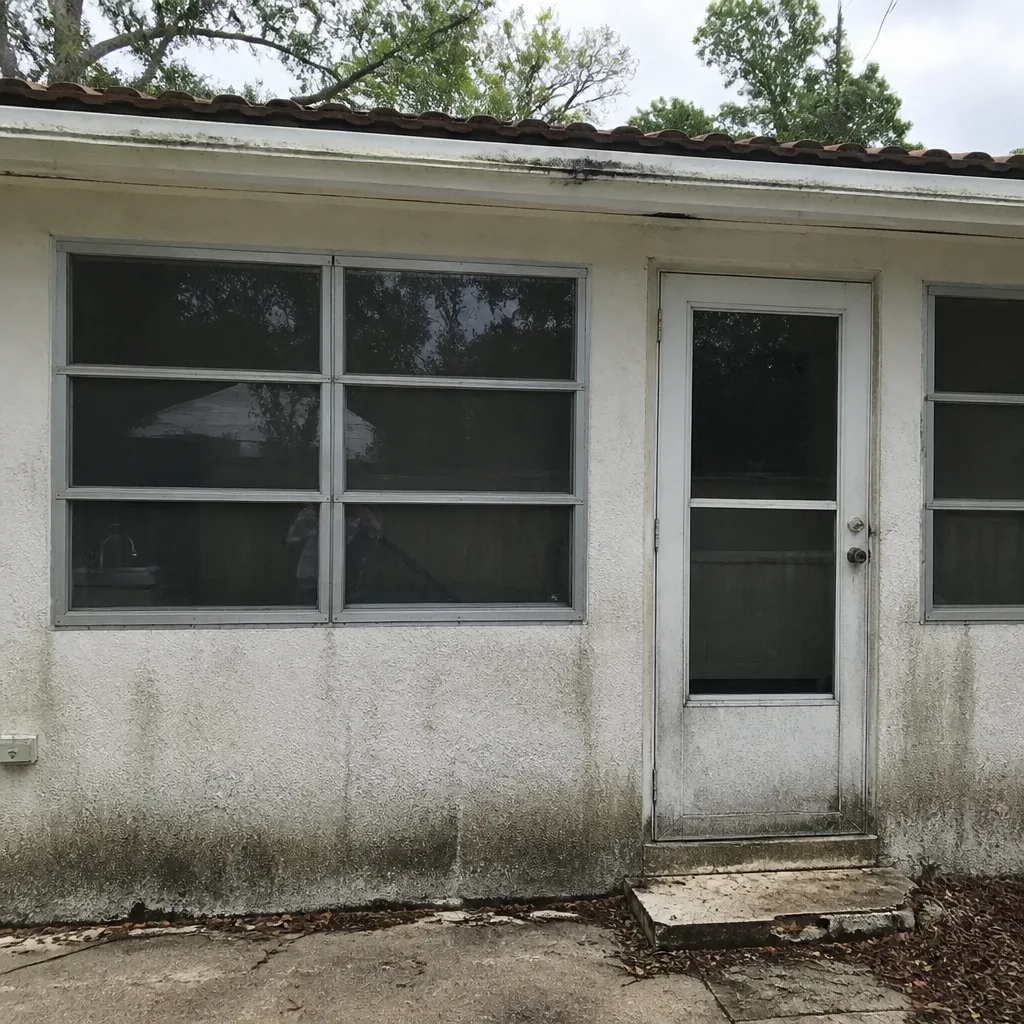 Before
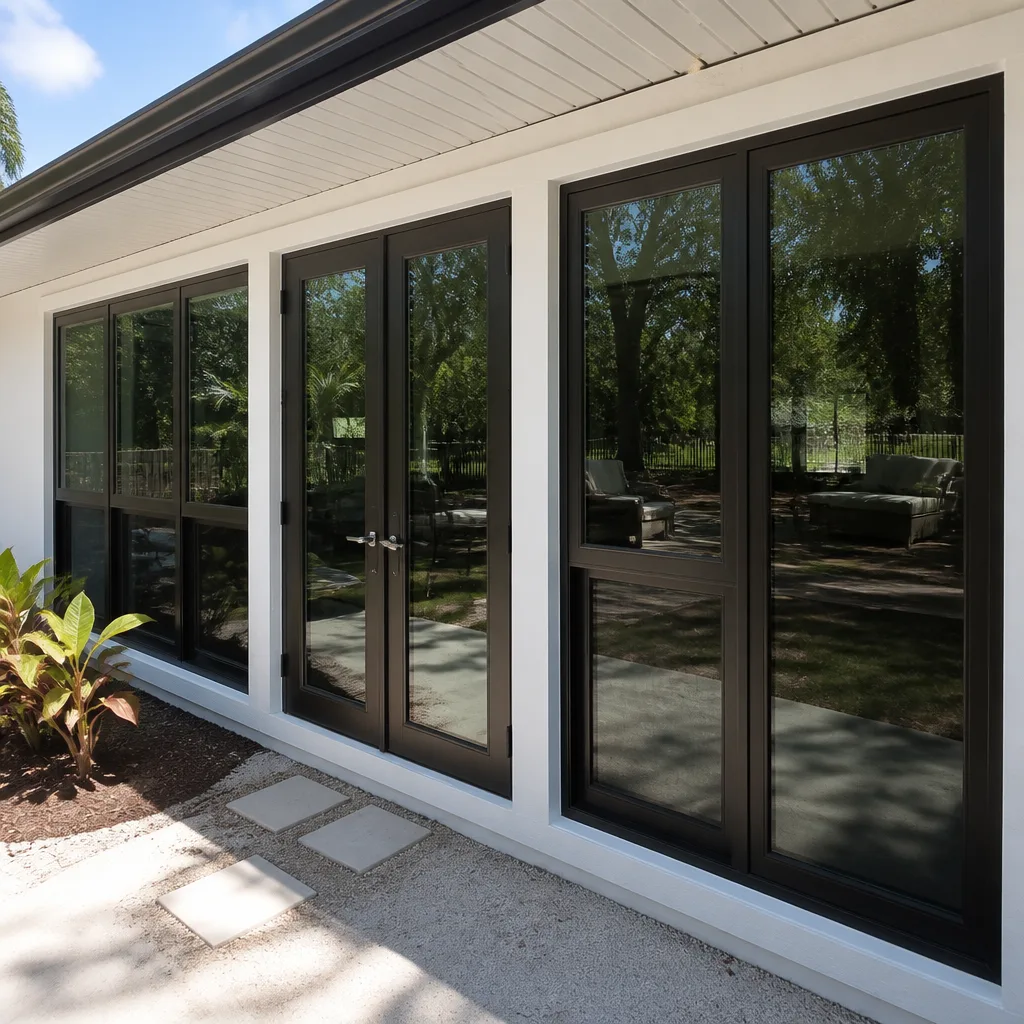 After
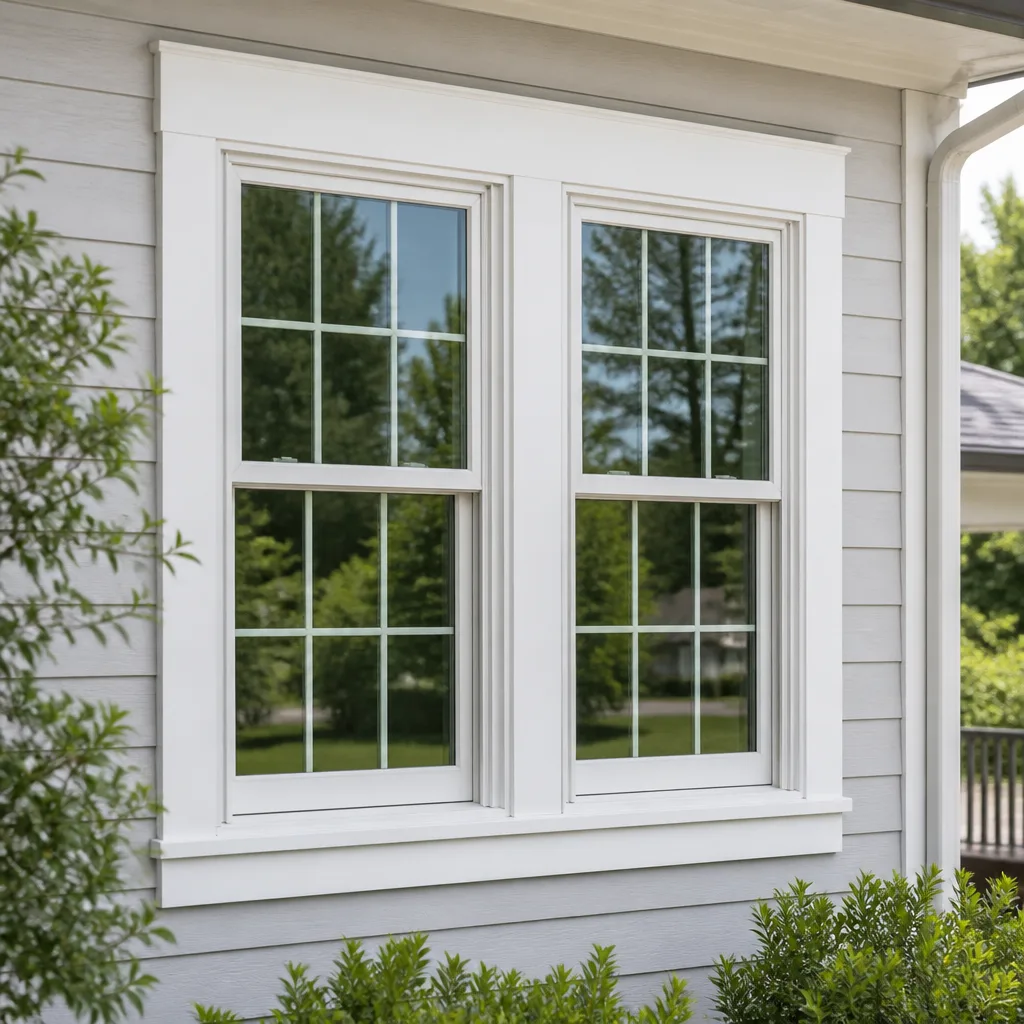
After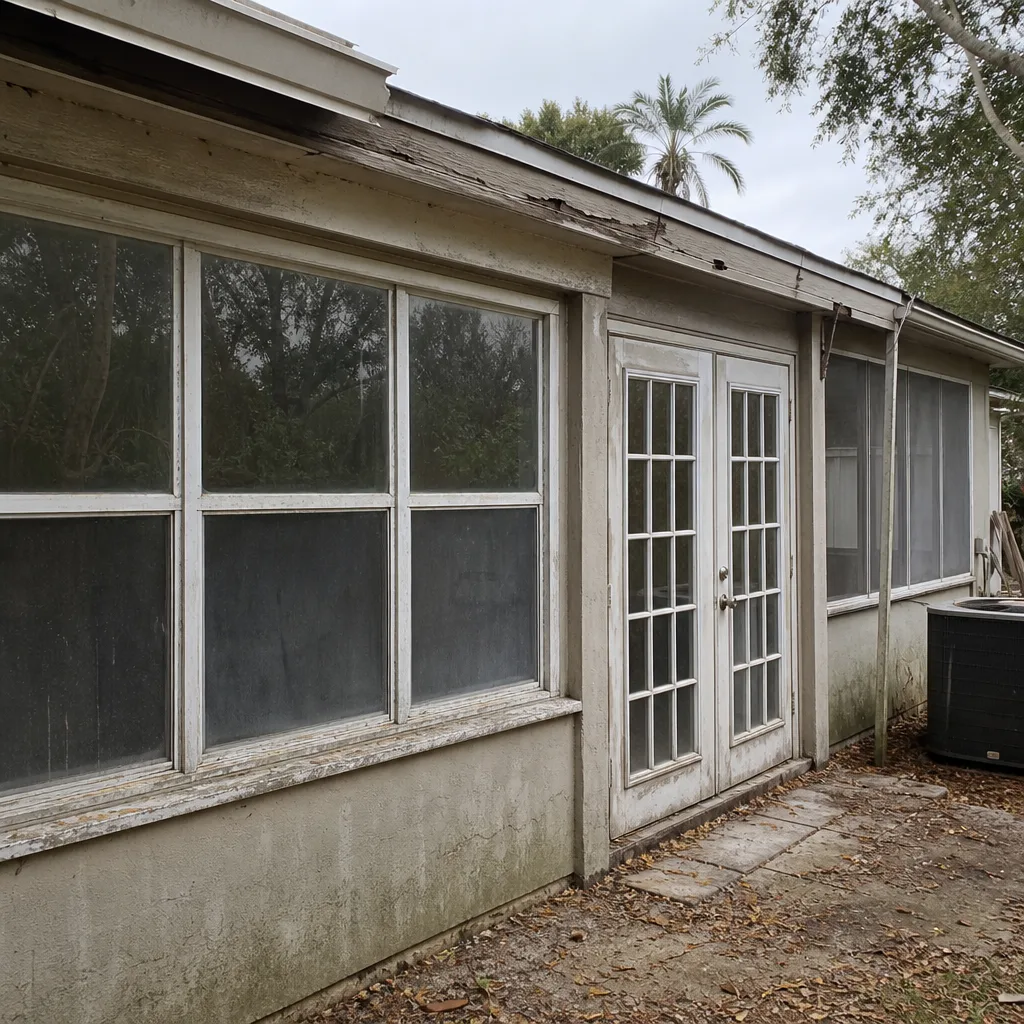 Before
 After
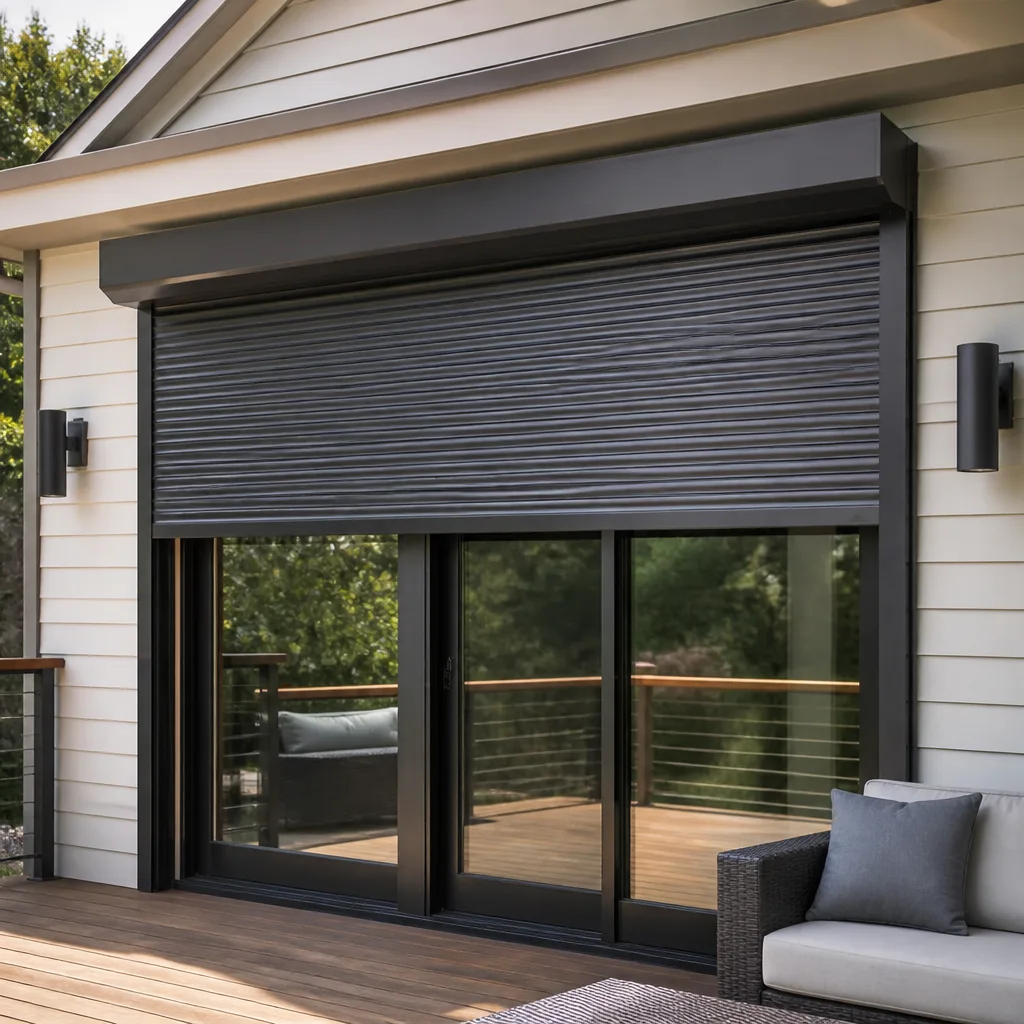
AfterWindows & Doors Cost Breakdown: The Fountainebleau Homeowner’s Reference for 2026
The lowest window quote in Fountainebleau is almost always missing the Miami-Dade permit fee, the mandatory product approval verification step, or the structural buck repair that HVHZ installation almost always requires. Add those three line items back in and the “deal” evaporates, often landing within a few hundred dollars of the quote you dismissed as overpriced. This guide dissects real 2026 window and door pricing for Fountainebleau so you can reconstruct any estimate into a standardized format, spot where you’re being undercharged (and why that’s dangerous), and walk into every contractor conversation with price literacy, not just price awareness. For a deeper dive, see The Complete Guide to Windows & Doors in Fountainebleau.
Quick Answer
A full impact window and door replacement in Fountainebleau typically runs $28,000 to $62,000 for an average 1,800-square-foot home in 2026, with single impact windows ranging $900 to $1,800 installed and impact-rated entry doors $3,500 to $8,500. The spread exists because contractors bundle labor, permits, structural work, and disposal differently on purpose. The single most important skill you can develop before getting quotes is the ability to normalize every bid into the same seven line items.
Table of Contents
- The Line-Item Anatomy of a Fountainebleau Window Quote
- Why Impact-Rated Products Cost More in Miami-Dade Than Anywhere Else in Florida
- The Insurance Offset Math: How Impact Windows Pay You Back
- Red Flags in Low Quotes: What the Cheapest Bid Is Hiding
- Financing and Payment Structure Norms for Fountainebleau Homeowners
- Door Replacement Costs: Entry, Patio, and Garage
- Step-by-Step: How to Normalize Any Quote Into Seven Standard Line Items
- How to Verify You’re Getting HVHZ-Approved Product, Not a Lookalike SKU
The Line-Item Anatomy of a Fountainebleau Window Quote
Every legitimate window and door quote in Fountainebleau can be broken into seven components. Contractors shuffle these around, bury them in “miscellaneous,” or omit them entirely to make a number look smaller. Here’s what each actually costs in 2026, based on our work across Fountainebleau and the surrounding Miami-Dade market.
1. Product: The Window or Door Itself
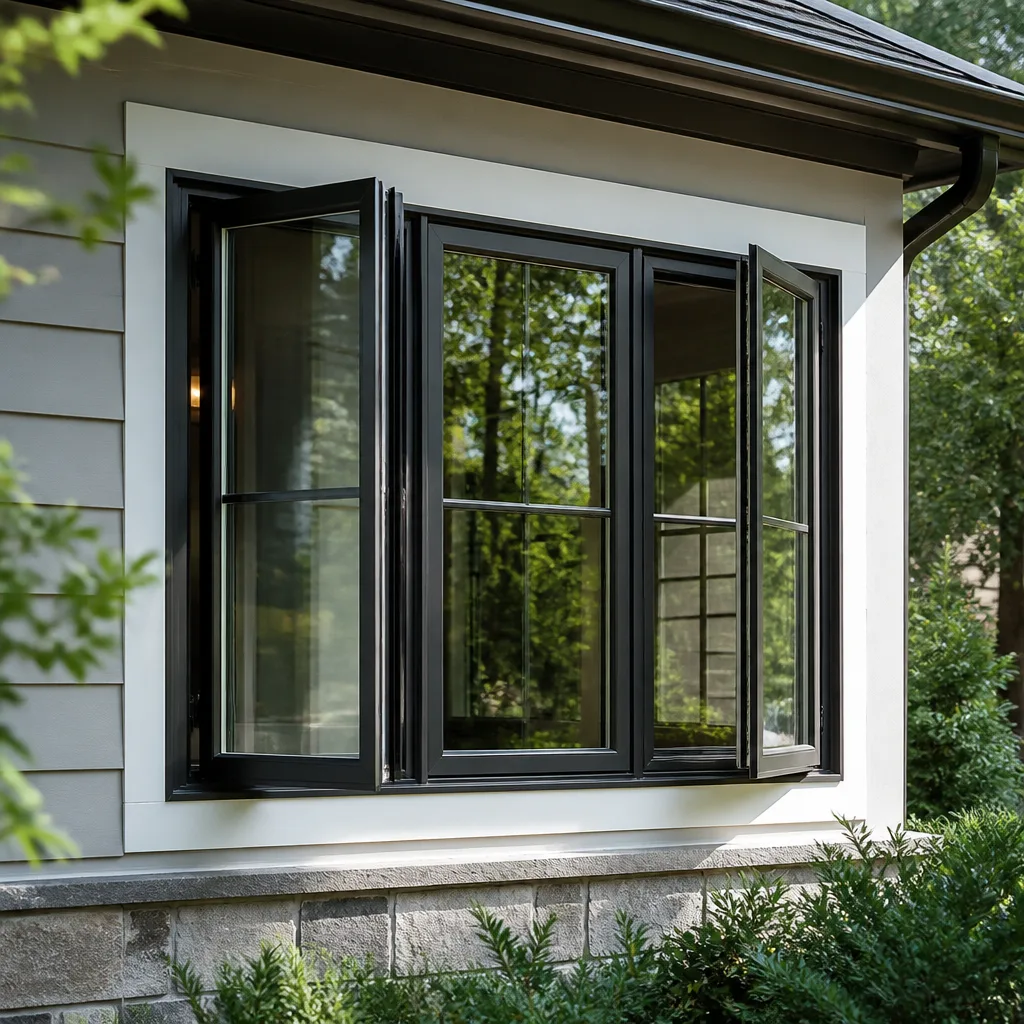
For a standard Fountainebleau home, impact-rated aluminum or vinyl single-hung windows run $400 to $800 per window for the product alone before any labor. Larger fixed picture windows run $700 to $1,500. Casement windows, which are common in mid-century Fountainebleau homes, start around $600 and can exceed $1,200 depending on size. Impact-rated sliding glass doors start at $2,800 for the product and a typical 8-foot patio door system lands between $4,000 and $7,000 before installation.
2. Miami-Dade Permit Fee
Fountainebleau sits inside Miami-Dade County, which means every window and door replacement requires a permit. The permit fee itself is typically $180 to $450 depending on the scope, but that’s only the county’s cut. The real cost is what the permit process demands: product approval drawings, a Notice of Acceptance (NOA) verification, and in many cases an engineering review if the opening size changes. Budget $80 to $150 per opening for the administrative work of pulling permits correctly.
3. Installation Labor
Installing a single impact window in Fountainebleau takes a two-person crew roughly 2 to 3 hours when everything goes right. Labor rates for licensed Miami-Dade crews run $85 to $140 per hour. Per window, expect $250 to $450 in labor. Entry door installation runs $600 to $1,200. Sliding glass door labor runs $900 to $1,800 because of the weight, the need for a second person, and the precision required for the track alignment.
4. Structural Buck Assessment and Repair
This is the line item that separates reputable Fountainebleau installers from everyone else. The High Velocity Hurricane Zone (HVHZ) code requires that the structural buck, the frame inside the wall opening that the window mounts to, be sound before installation. In homes built before 1994, we regularly find rotted or compromised bucks, especially on the west-facing walls that catch the afternoon sun and storm exposure. Buck repair adds $150 to $400 per opening when it’s minor and $800 to $2,000 per opening when the framing is severely compromised. A quote that doesn’t mention structural inspection is a quote that’s planning to skip it.
5. Disposal and Cleanup
Old windows, especially those with tempered or laminated glass, can’t go in a standard dumpster. Fountainebleau waste haulers charge $50 to $120 per opening for proper disposal of construction debris. A full-home replacement typically generates one to two 20-yard dumpsters at $400 to $700 each. This is a legitimate cost, but it’s also the easiest line item for a contractor to double-charge. Ask whether disposal is included or billed separately, and if it’s billed separately, ask for the hauler’s invoice.
6. Insurance Notification
Your insurer needs documentation that the new windows and doors meet Miami-Dade HVHZ standards. A reputable installer provides this as part of the job: product approval numbers, installation photos, and a completed wind mitigation form. Some contractors charge $150 to $400 for this paperwork. In our experience, any installer who treats insurance documentation as an add-on is treating you like a transaction. This is part of the job, not a premium feature.
7. Workmanship Warranty Registration
Most impact window manufacturers offer 10-year to lifetime product warranties, but those warranties only activate if the installer registers the products correctly and the installation meets the manufacturer’s specifications. Some installers charge a “warranty registration fee” of $75 to $200. This is a red flag. Legitimate Fountainebleau installers register products as standard practice. If you see this line item, ask why it’s not included.
Here’s what a normalized quote looks like for a single impact window in Fountainebleau:
- Product: $450 to $800
- Permit and NOA verification: $80 to $150
- Installation labor: $250 to $450
- Buck assessment (inspection only): $0 to $75
- Disposal: $50 to $120
- Insurance documentation: Included with reputable installers
- Realistic total per window: $830 to $1,595
If someone quotes you $600 per window installed in Fountainebleau, that math doesn’t work. Either they’re using non-impact product, skipping the permit, or planning to hit you with a change order the day they discover the buck is rotted.
Why Impact-Rated Products Cost More in Miami-Dade Than Anywhere Else in Florida
Impact-rated windows in Fountainebleau aren’t the same impact-rated windows you’d buy in Tampa or Orlando. Miami-Dade operates under the High Velocity Hurricane Zone (HVHZ) code, which is the strictest in the country. Products must pass missile impact testing with a 9-pound 2×4 fired at 50 feet per second, followed by 9,000 positive and negative pressure cycles. Products certified for other Florida counties are tested to lower standards.
Here’s what that means for pricing. A manufacturer like CWS or ES Windows often produces two versions of the same window line: one approved for HVHZ use in Miami-Dade and one approved for non-HVHZ counties. The HVHZ version uses thicker laminated glass, stronger frames, and more robust hardware. The price difference is typically 15% to 25% per unit. This is not a markup. It’s a materially different product.
The problem is that some Fountainebleau contractors will quote a manufacturer’s product line by name but not specify the HVHZ-approved SKU. You might see “CWS Impact Window” on a quote that’s actually the non-HVHZ version. The product looks identical in a brochure. It will not pass a Miami-Dade inspection.
To verify you’re getting HVHZ-approved product, ask for the Florida Product Approval number (also called the FL number) for every window and door before you sign. This number, typically formatted like “FL12345.1,” is the definitive proof. You can look it up on the Florida Department of Business and Professional Regulation’s product approval database. If the contractor won’t provide FL numbers before you sign, that’s a signal worth taking seriously. Reputable Fountainebleau installers put FL numbers on every quote as standard practice.
Brand choice also moves the price. ECO Window Systems and Mr-Glass both produce solid HVHZ-approved lines at the mid-range of the market. Premium brands like PGT and CGI command higher prices because of thicker frames, better thermal performance, and longer track records with insurance carriers. The brand you choose will shift your total project cost by 10% to 30%, but the HVHZ certification requirement doesn’t change. Cheap non-approved product is worthless in Fountainebleau. An inspector will flag it immediately, and your insurance company will deny the wind mitigation credit.
For a deeper look at impact product selection specific to this market, see our guide on Impact Windows in Fountainebleau.
The Insurance Offset Math: How Impact Windows Pay You Back
A full impact window and door replacement in Fountainebleau typically reduces wind mitigation premiums by 20% to 45%, depending on your carrier, your home’s construction date, and whether you also have impact-rated openings on the garage and entry doors. On a $6,000 annual premium, that’s $1,200 to $2,700 back every year. Over a decade, the offset can reach $12,000 to $27,000, which recovers a meaningful portion of the installation cost.
The key is the post-installation wind mitigation inspection. Here’s the process:
- Your installer completes the window and door replacement and provides product approval documentation, installation photos, and a completed wind mitigation form (form OIR-B1-1802).
- You schedule a wind mitigation inspection with a licensed inspector. In Fountainebleau, these inspections cost $75 to $150 and take about 45 minutes.
- The inspector verifies that the installed products match the FL numbers on the documentation and that the installation meets HVHZ requirements.
- You submit the completed inspection report to your insurance carrier. Some carriers accept the form directly; others require the inspector to file it.
- The premium reduction applies at your next renewal. If you’re mid-policy, most carriers will issue a pro-rated credit.
The mistake we see most often in Fountainebleau is homeowners who skip the inspection, then wonder why their premium didn’t change. The insurance company doesn’t know you installed impact windows until you prove it. Documentation is the product. If your installer doesn’t hand you a complete packet with FL numbers, installation photos, and the wind mitigation form at final walkthrough, demand it in writing. This is not a courtesy. It’s the deliverable that makes the investment pay off.
One additional note: impact-rated garage doors are often the difference between a 30% premium reduction and a 45% reduction. Miami-Dade carriers treat the garage door as the largest single opening in the home, and a non-impact garage door caps your wind mitigation credit regardless of what you did to the windows. If you’re replacing windows and doors, ask your installer whether your garage door undermines the insurance benefit.
Our Winslow Windows & Doors home page explains the full scope of exterior protection work we handle, including impact garage door installation.
Red Flags in Low Quotes: What the Cheapest Bid Is Hiding
The cheapest window quote in Fountainebleau is rarely the cheapest after you normalize it. Here are the seven red flags we’ve learned to spot, and what each one means for your final invoice.
1. Permit Listed as “Owner’s Responsibility”
This is the single most common trick in Miami-Dade. The contractor quotes a low number because they’ve excluded the permit. When you ask, they say you can pull it yourself. What they don’t tell you: the permit requires product approval drawings and an NOA verification that only the installer has access to. You’ll spend three days on the phone and still won’t have what you need. Then the contractor offers to handle it for an additional $500 to $1,000. The low quote just became the high quote.
2. No Line Item for Structural Inspection
We touched on this above, but it deserves repetition. Fountainebleau homes range from 1960s concrete block to 2010s frame construction, and every one of them has structural bucks that may or may not be sound. A quote without a structural inspection line item is a quote that’s planning to discover dry rot mid-installation and bill you for it as a change order.
3. Product Brand Not Specified
“Impact window, white, 36×48” is not a product specification. It’s a placeholder. Reputable Fountainebleau installers quote specific brands, specific model lines, and specific FL approval numbers. If the quote says “impact window” with no brand, you’re giving the contractor permission to source whatever they can find cheapest at the supplier the week of installation.
4. Installation Warranty Shorter Than the Product Warranty
A manufacturer’s warranty covers the product. It does not cover installation errors. If the installer offers a 1-year workmanship warranty but the product carries a 10-year or lifetime warranty, the gap is where your risk lives. A leaking frame discovered at year 2 is your expense, not the manufacturer’s. Reputable Fountainebleau installers match or extend their workmanship coverage to align with the product warranty.
5. Deposit Requirements Above 30%
Florida law caps contractor advance payments at 10% for most residential work, but window and door replacement can legally go higher with custom product orders. A fair deposit for custom impact windows and doors is 25% to 30%. Anything above 50% is a contractor financing their other jobs with your money. We’ve seen Fountainebleau homeowners lose $20,000-plus to contractors who collected 80% deposits and then stalled for months.
6. No Insurance Documentation Mentioned Anywhere
If the quote doesn’t mention wind mitigation documentation, product approval numbers, or insurance notification, the installer isn’t planning to do any of it. That’s the part of the job that makes impact windows worth the premium. A quote that omits it is incomplete by design.
7. Quote Valid for 48 Hours or Less
Pressure is a signal. Material prices fluctuate, but a reputable Fountainebleau installer can hold a written quote for 30 to 60 days. A 48-hour deadline is designed to prevent you from getting competing bids and normalizing the numbers. Walk away.
When you’re ready to replace existing windows rather than install new ones, the math changes. See our Window Replacement in Fountainebleau page for the specific considerations of retrofit versus full-frame replacement.
Financing and Payment Structure Norms for Fountainebleau Homeowners
Window and door replacement in Fountainebleau is a five-figure transaction for most homes. How you structure the payment matters as much as the price. Here’s what a fair deal looks like in 2026.
A typical payment schedule for a full home impact window replacement breaks down like this:
- Deposit at signing: 25% to 30%. This covers the custom product order. Impact windows are built to spec, and manufacturers require payment before they run the production line.
- Progress payment at material delivery: 30% to 40%. Verify the products on your driveway match the FL numbers on your quote before releasing this payment.
- Final payment at final inspection: The remaining balance, due only after the county inspection passes and you’ve received the complete documentation packet.
Paying in full before final inspection is a financial risk no Fountainebleau homeowner should take. Once the contractor has 100% of the money, your leverage for punch-list items, re-inspection, or documentation follow-through is zero. The county inspection is your gate. If the installer won’t arrange it, won’t be present for it, or asks you to pay in full before it happens, that’s a conversation-ender.
Here’s what lien waivers protect you from. When a contractor buys product from a supplier or hires a subcontractor, those parties have the right to place a lien on your property if the contractor doesn’t pay them. A lien waiver, signed by the contractor at each payment milestone, certifies that the contractor has paid their suppliers and subs for work completed to date. Without lien waivers, a Fountainebleau homeowner can pay their contractor in full and still face a lien from the glass supplier the contractor never paid. Request a conditional lien waiver with every payment you make.
Financing options are common, and most Fountainebleau homeowners who finance use a home equity line of credit, a property assessed clean energy (PACE) loan, or installment financing through the installer. PACE loans attached to your property tax bill carry interest rates that can exceed 9% and survive the sale of the home. Read the terms. Installer-arranged financing is often the simplest option but carry the highest rates for borrowers with average credit.
One payment norm worth knowing: the standing discounts offered by local Fountainebleau companies are permanent, not promotional. A 10% discount for seniors and veterans, for example, should apply to every invoice every time. If a contractor frames it as a “special” that expires, they’re using the discount as a high-pressure lever instead of a standing commitment. The difference tells you something about how they’ll handle the rest of the relationship.
Door Replacement Costs: Entry, Patio, and Garage
Doors are a separate cost category from windows, and Fountainebleau homeowners often under-budget for them. Here’s what 2026 replacement pricing looks like.
Entry Doors
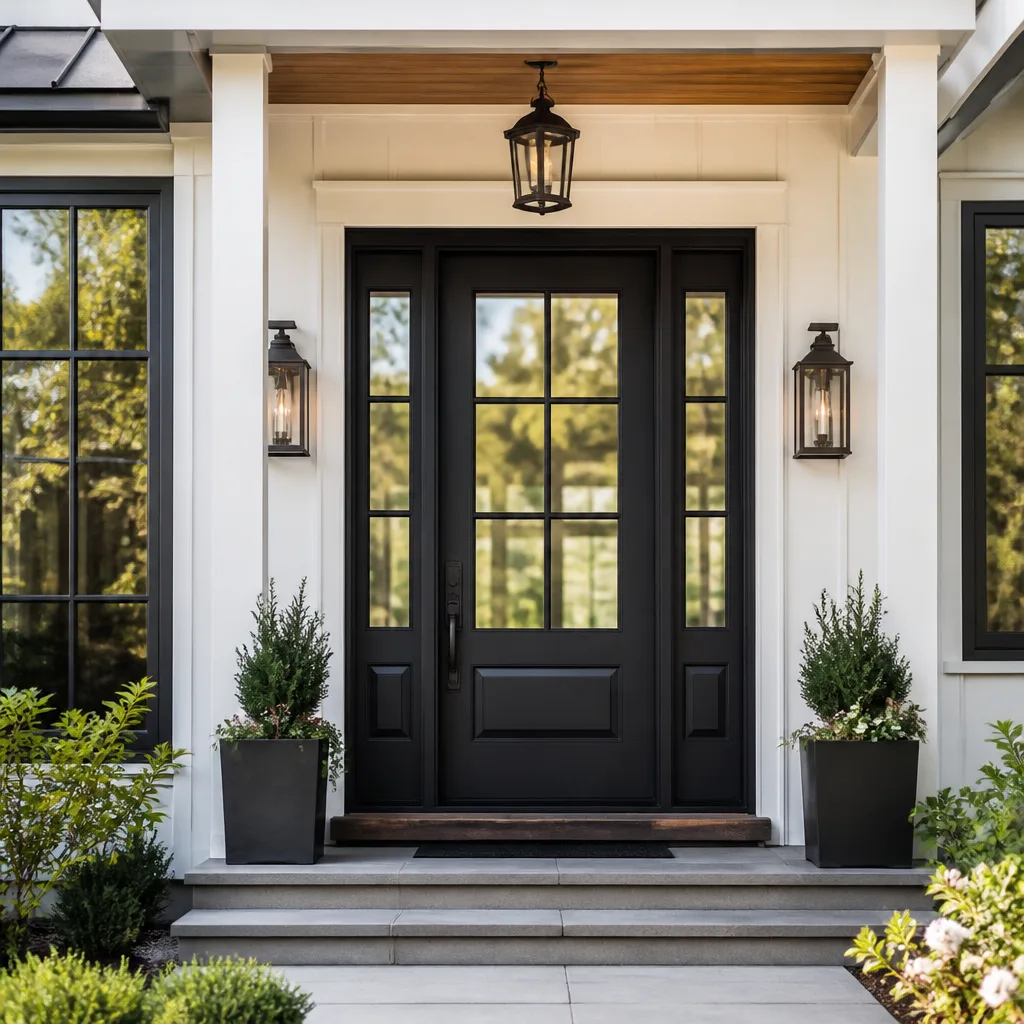
A basic impact-rated steel or fiberglass entry door runs $2,800 to $4,500 installed. Upgrading to a decorative glass insert, sidelights, or a premium brand like Therma-Tru pushes the range to $4,500 to $8,500. The door slab itself is often only 40% of the cost. The frame, threshold, hardware, and the precision required to hang an impact-rated door in a HVHZ opening account for the rest. A poorly hung impact door doesn’t just look wrong. It won’t seal against wind-driven rain, and the deadbolt won’t seat properly, which undermines the entire point of the upgrade.
Patio and Sliding Glass Doors
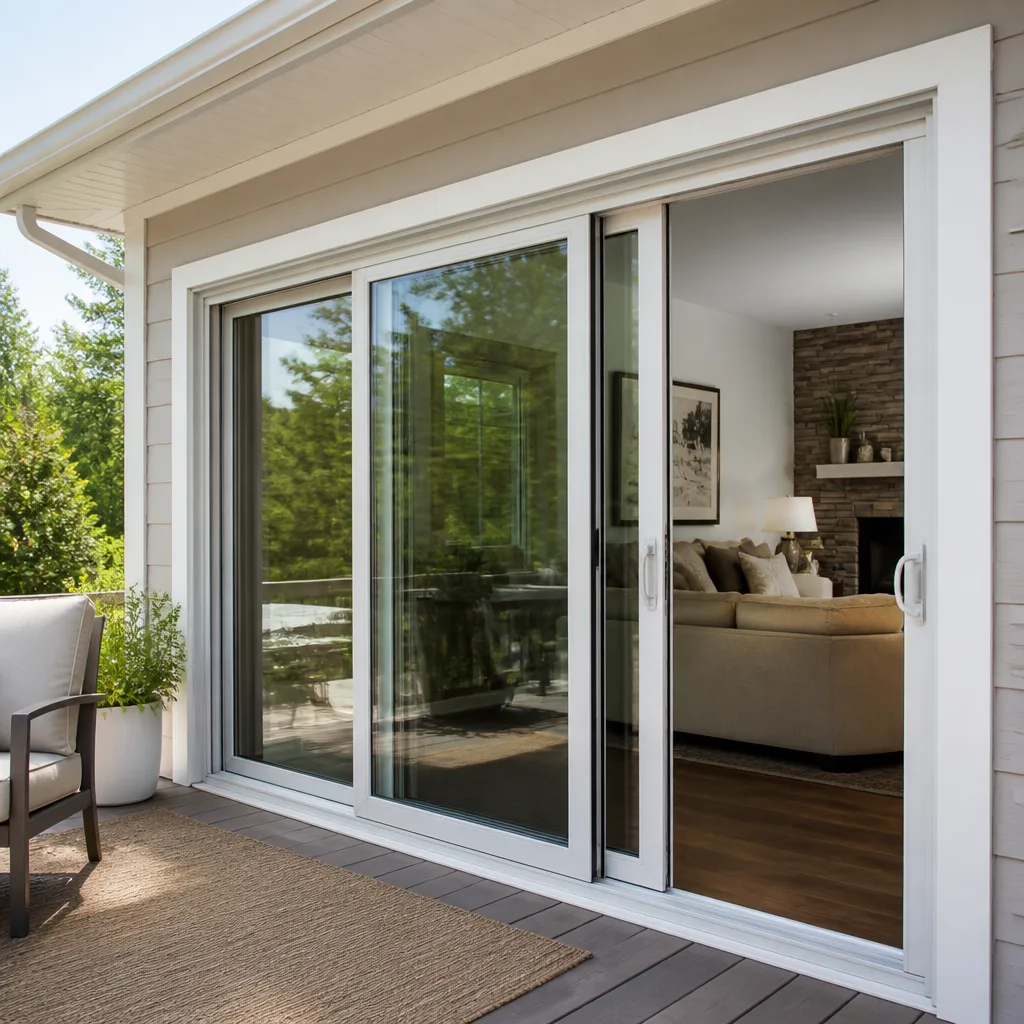
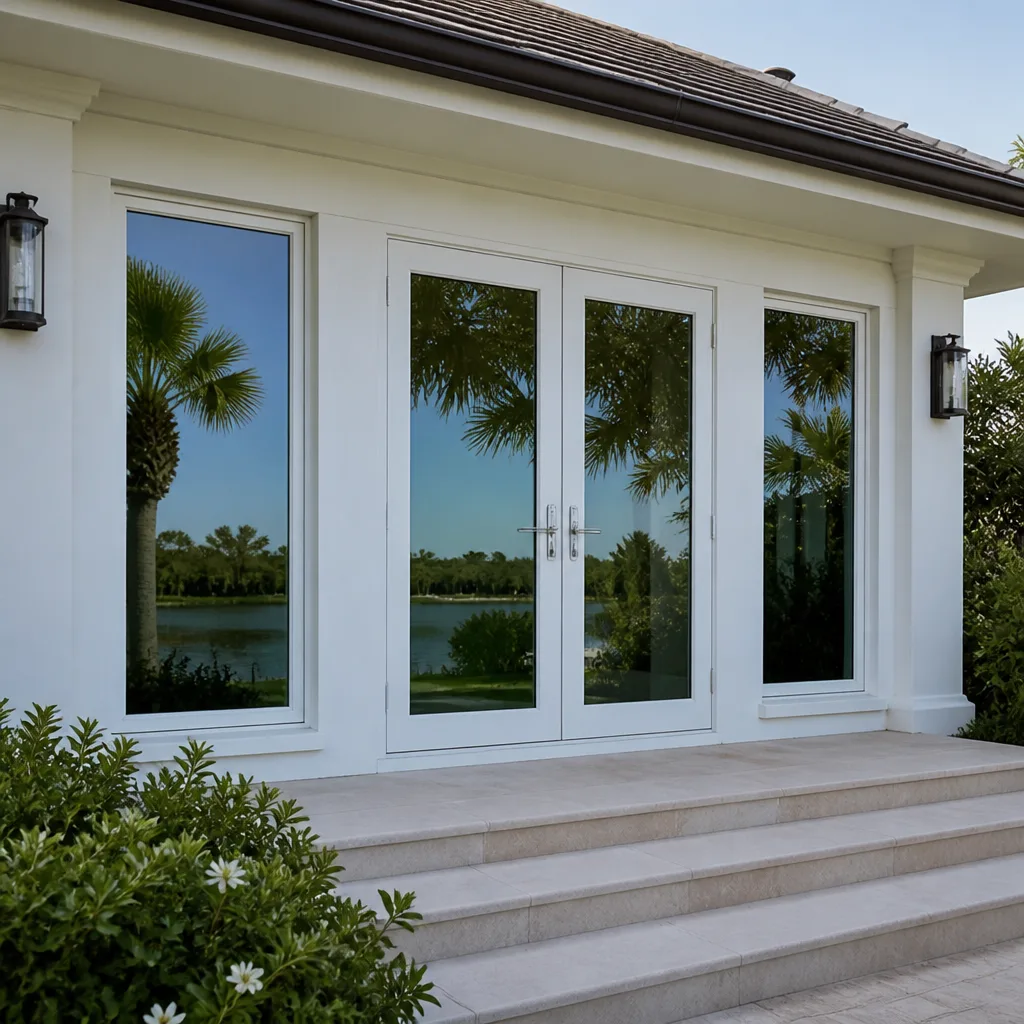
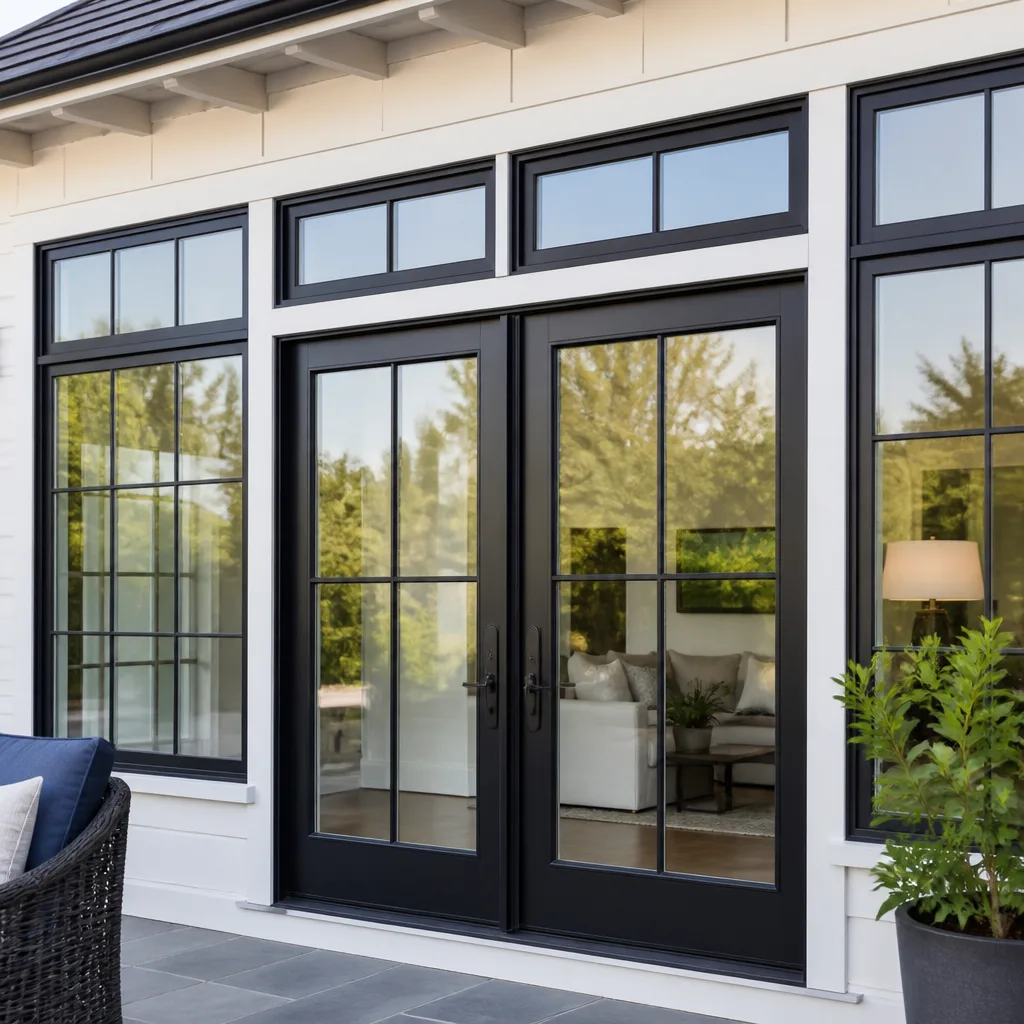
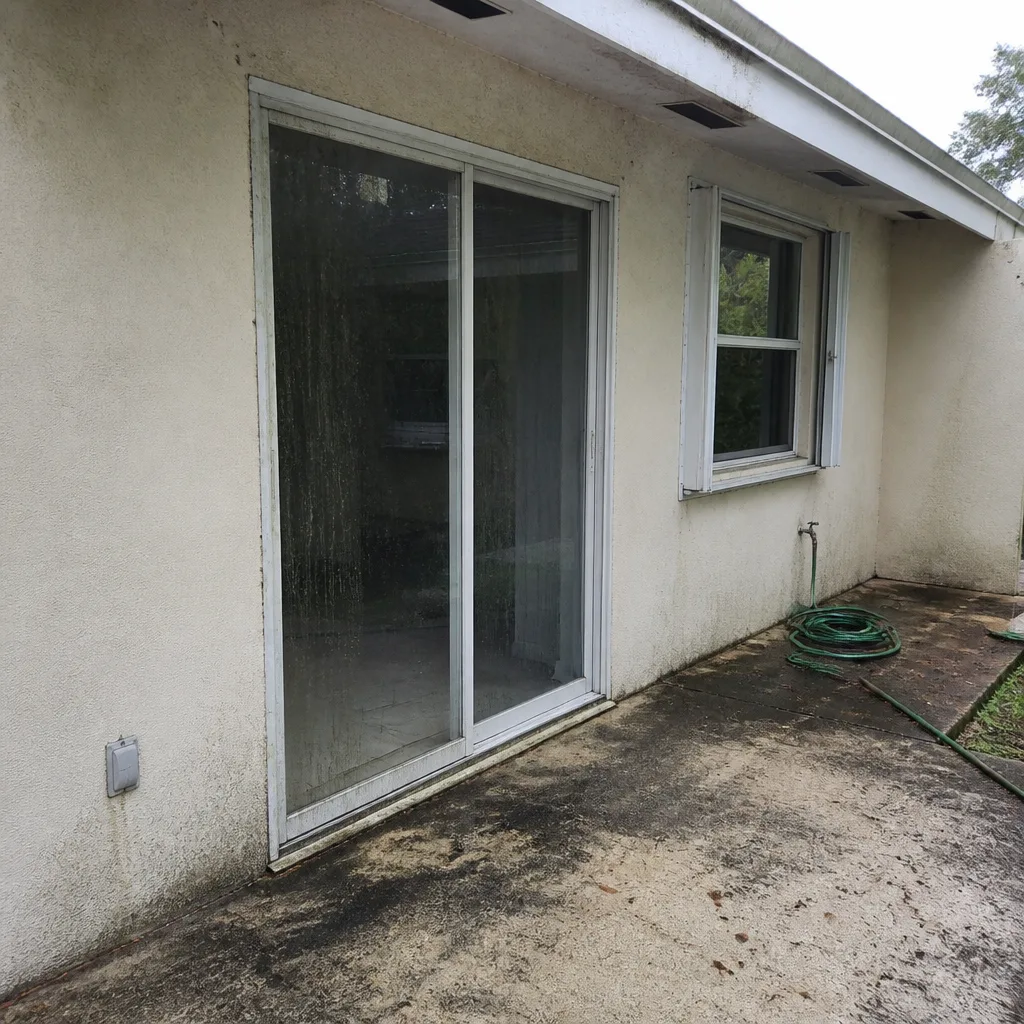
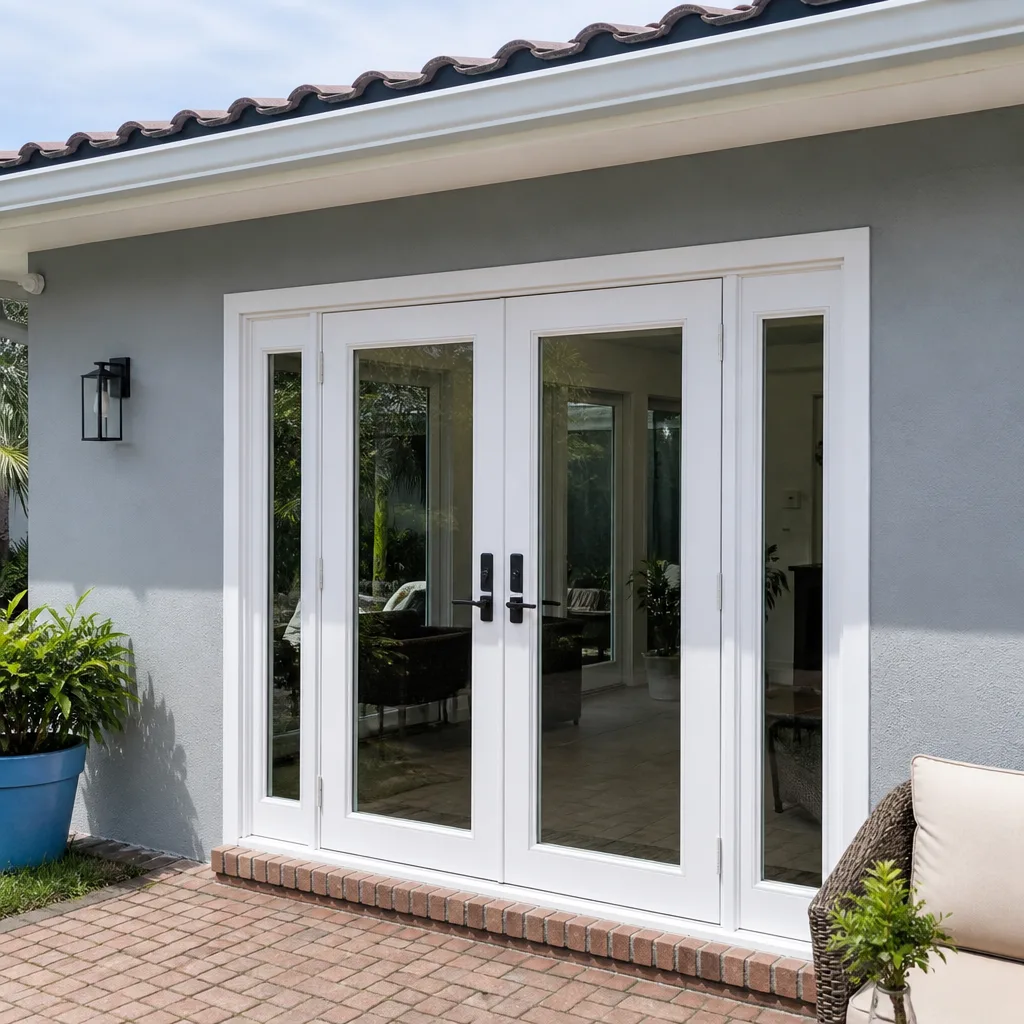
Impact-rated sliding glass doors run $3,500 to $7,500 installed for a standard 8-foot opening. Multi-panel sliders, popular in Fountainebleau homes that open to pools and lanai areas, run $7,000 to $14,000. French doors land in the $4,000 to $8,000 range. The key difference between a quality patio door installation and a problem is the track elevation and the drainage system. Fountainebleau gets heavy afternoon thunderstorms in the summer, and a patio door that doesn’t drain properly will leak into the wall cavity, not onto the floor where you’d notice it.
Garage Doors
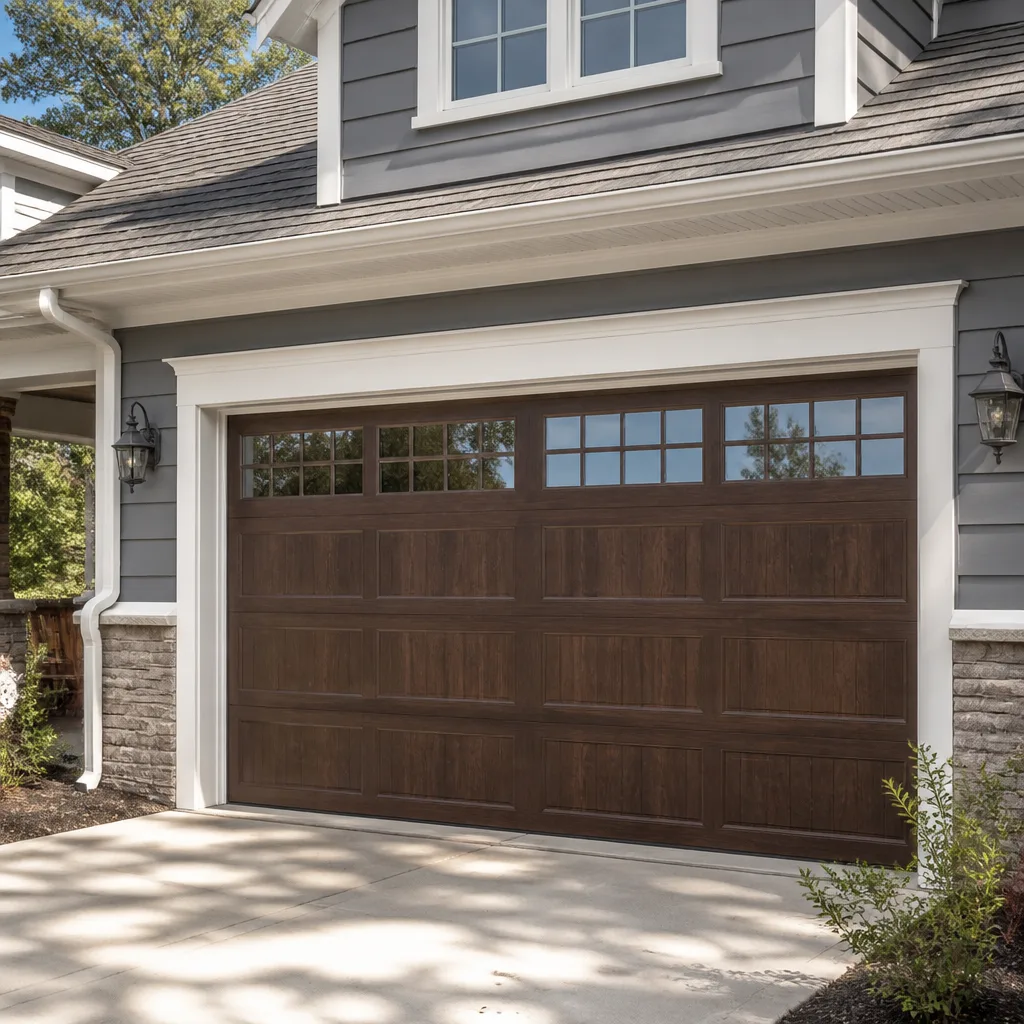
Impact-rated garage doors for a standard two-car opening run $2,500 to $5,000 installed. Single-car doors run $1,500 to $3,000. As noted above, the garage door is the largest single opening in most Fountainebleau homes, and insurance carriers evaluate it separately from windows. A non-impact garage door caps your wind mitigation credit regardless of what you spend on windows. If your budget is tight, replacing the garage door along with the most exposed windows often produces a better insurance outcome than replacing all windows and leaving the garage door untouched.
For the full picture on window installation specifics, see our Window Installation in Fountainebleau page.
Step-by-Step: How to Normalize Any Quote Into Seven Standard Line Items
Here’s the process we recommend to every Fountainebleau homeowner who asks us to review a competing bid. This is the process we’d want our own families to use. Explore more guides & resources for every stage of your project.
- Create a spreadsheet with seven columns: Product, Permit, Labor, Structural, Disposal, Insurance Documentation, Warranty. Add one row per window or door opening.
- Ask every bidder for a written breakdown by opening. If they won’t provide it, note that as a red flag and move on. A lump-sum quote with no detail is not a quote. It’s a number.
- Extract the product brand and FL number for every opening. If the quote doesn’t include FL numbers for every window and door, ask for them in writing. Verify each number on the Florida DBPR product approval database before you sign.
- Confirm whether the permit fee includes the NOA verification and product approval drawings. If the quote says “permit” with a number, ask what that number covers. A $200 permit line item that doesn’t cover the NOA verification means you’ll pay $500 more later.
- Ask what happens if the structural buck is compromised. Get the per-opening price for minor and major buck repair in writing. If the installer won’t answer, they’re planning to surprise you.
- Compare line items across quotes, not total prices. The contractor with the highest product cost and the lowest labor cost is often the most honest. They’re billing product at real cost and not padding labor to look competitive on the total.
- Run the reality check. Add up the seven line items using the ranges in this guide. If the quote falls significantly below the bottom of the range, someone is omitting something. Find out what before you sign.
This process takes an hour per bidder. It’s the highest-value hour you’ll spend in the entire replacement project.
How to Verify You’re Getting HVHZ-Approved Product, Not a Lookalike SKU
Here’s the verification process in plain terms, because this is where Fountainebleau homeowners get burned most often.
Miami-Dade maintains a product control approval database that lists every HVHZ-approved window and door product. Every approved product carries a Florida Product Approval number, formatted as FL followed by digits, and a Miami-Dade NOA number. Both numbers should appear on your quote. If they don’t, ask for them. If the contractor hesitates, provides a partial number, or says they’ll “get it later,” pause the deal.
Here’s a practical comparison. A major manufacturer often produces a non-impact window, an impact window certified for non-HVHZ counties, and an impact window certified for Miami-Dade HVHZ use. The three products may share a product family name. Only the Miami-Dade certified version will carry the NOA number that passes inspection in Fountainebleau. Without verifying the FL number, you cannot know which version you’re buying.
We’ve seen this play out in Fountainebleau more than once. A homeowner signs a quote that names a reputable brand. The installer orders the non-HVHZ version from a supplier in Broward County because it’s 20% cheaper. The inspection fails. The installer’s phone stops ringing. The homeowner is left with non-compliant product, no inspection pass, and no insurance credit. Verifying the FL number takes five minutes and prevents all of it.
The brands we install, including ES Windows, ECO Window Systems, Mr-Glass, and CWS, all produce HVHZ-approved lines. Every quote we write includes the FL number for every opening. It’s standard practice for us because Ed’s name is on the door, and on every job we do.
Common Mistakes to Avoid
- Comparing total prices without normalizing line items. Two Fountainebleau quotes can differ by $15,000 and still be pricing the identical scope. The difference is what’s included. Normalize before you compare.
- Assuming all impact windows are the same. HVHZ-approved product in Miami-Dade is tested to standards that non-HVHZ product is not. They are different products with different prices and different insurance outcomes.
- Signing a quote without FL numbers. Without FL numbers, “impact window” is a promise, not a specification. Get the numbers in writing and verify them.
- Paying in full before the county inspection. Once the money is gone, your leverage is gone. Tie final payment to the passing inspection.
- Skipping the wind mitigation inspection after installation. The insurance premium reduction doesn’t materialize automatically. The inspection is the trigger.
- Ignoring the garage door. The largest opening in your Fountainebleau home caps your insurance credit if it’s not impact-rated.
- Treating the lowest deposit as the best deal. A contractor asking for 10% down on custom impact windows is either unfamiliar with the supply chain or planning to ask for more later. A fair deposit is 25% to 30%.
When to Call a Professional
Window and door replacement in Fountainebleau is not a DIY project, and it’s not a job for a handyman with a pickup truck. Miami-Dade HVHZ code compliance, product approval verification, and insurance documentation demand a licensed contractor with a track record in this specific market. If your quote lacks FL numbers, if the contractor won’t discuss structural buck assessment, or if the payment schedule front-loads more than 30%, call someone else. If you already have a quote you’d like a second opinion on, Winslow Windows & Doors offers free estimates in Fountainebleau, and we’ll review a competing written bid at no charge. Call (727) 620-6983 to schedule a walkthrough.
Frequently Asked Questions
A full impact window and door replacement in Fountainebleau typically costs $28,000 to $62,000 for an average 1,800-square-foot home in 2026, depending on the number of openings, product brand, and whether structural buck repair is required. Single impact windows run $900 to $1,800 installed, entry doors $3,500 to $8,500, and sliding glass doors $3,500 to $7,500. Call (727) 620-6983 for an exact quote on your home, estimates are free.
Miami-Dade operates under the High Velocity Hurricane Zone code, which requires products to pass a 9-pound 2×4 missile impact test at 50 feet per second followed by 9,000 pressure cycles. The HVHZ-approved versions of popular window lines cost 15% to 25% more than the non-HVHZ versions of the same product family because they use thicker laminated glass and stronger frames.
With a properly specified quote, the price should not change unless the structural buck assessment reveals damage that could not be identified before the old windows were removed. A reputable Fountainebleau installer will include a per-opening price for potential buck repair in the written quote. If your quote doesn’t address this contingency, ask for it in writing before signing. Call (727) 620-6983 for a quote that accounts for structural realities upfront.
Yes. Every window and door replacement in Fountainebleau requires a Miami-Dade permit, and the permit process requires product approval documentation for every opening. A contractor who suggests skipping the permit is asking you to accept non-compliant installation that will fail inspection, void your insurance credit, and create a liability when you sell the home.
A standard single-story Fountainebleau home takes 3 to 5 working days for a full impact window replacement once the products are manufactured and delivered. Custom impact products typically take 4 to 8 weeks from order to delivery. The county inspection adds 1 to 3 days after installation is complete.
Yes, impact windows and doors with proper documentation typically reduce wind mitigation premiums by 20% to 45% in Fountainebleau. The reduction requires a post-installation wind mitigation inspection and submission of the completed form to your carrier. Without the inspection, the premium reduction doesn’t happen. Call (727) 620-6983 if you want an installer who handles the documentation as standard practice.
The Bottom Line
Window and door replacement in Fountainebleau is a five-figure investment where the difference between a good deal and a bad one lives in the line items, not the total. Normalize every quote into the seven components: product, permit, labor, structural, disposal, insurance documentation, and warranty. Verify the FL numbers on every opening. Tie final payment to the passing inspection. Get the wind mitigation inspection after installation. And call a contractor whose name is on the business and whose promises show up in writing. Fountainebleau homeowners who follow this process pay fair prices, avoid change-order surprises, and capture the full insurance benefit of their investment.
Written by Ed Winslow, Owner at Winslow Windows & Doors, serving Fountainebleau since 2011.
Six Reasons Homeowners Choose Winslow Windows & Doors
Impact systems engineered to design pressures up to +/-100, matched to your wind zone - your openings hold when the storm arrives.
Low-E insulated impact glass from our manufacturer lines commonly cuts monthly cooling bills 20-30%.
Laminated impact glass shuts out up to 40% of outside noise - traffic, neighbors, weather.
Monitoring services run $30-90 a month. Laminated impact glass resists forced entry around the clock, with no subscription.
Florida homeowners average around 25% savings on the windstorm portion of their policy after protecting every opening - some homes qualify for more.
A full impact package upgrades curb appeal, buyer confidence and appraised value in one project.