
Last updated August 27, 2026
Free in-home measure and quote - PGT, CGI and CWS impact lines compared on your actual openings, style by style
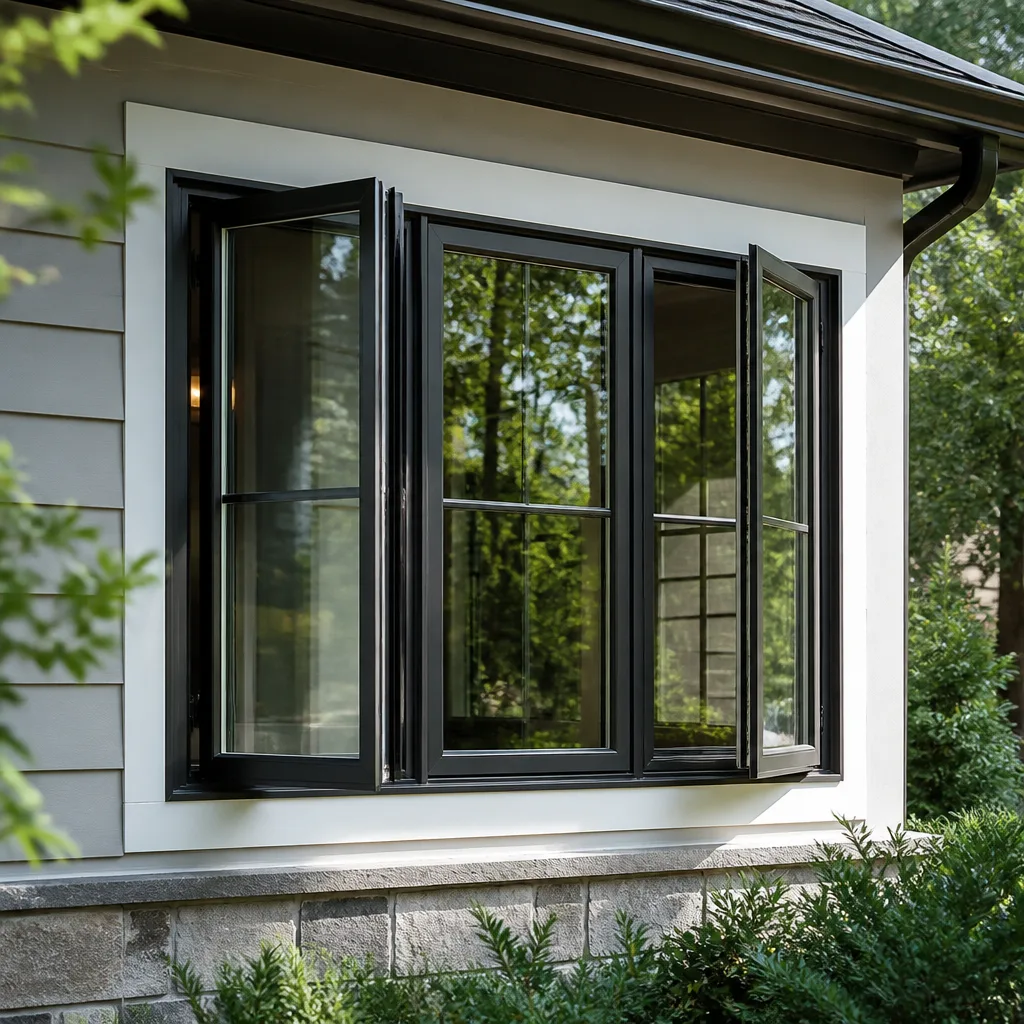
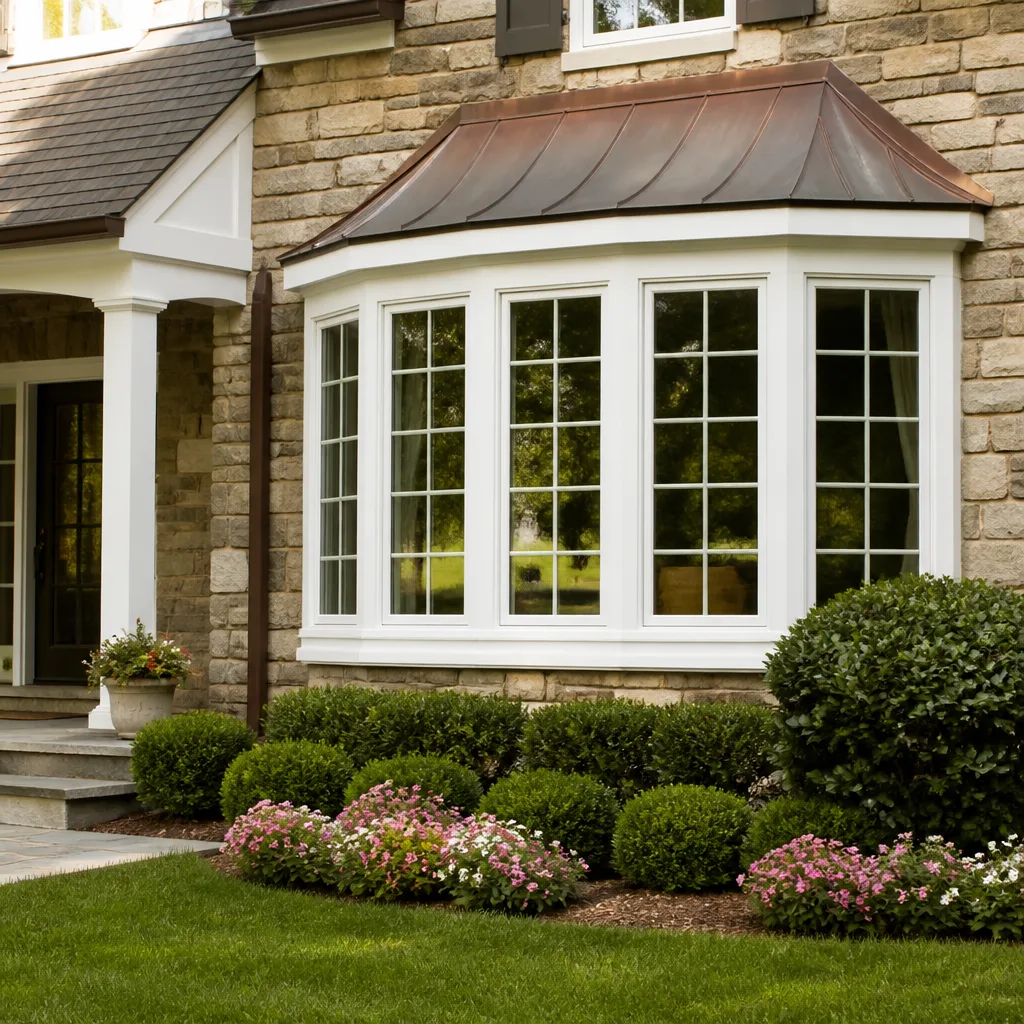
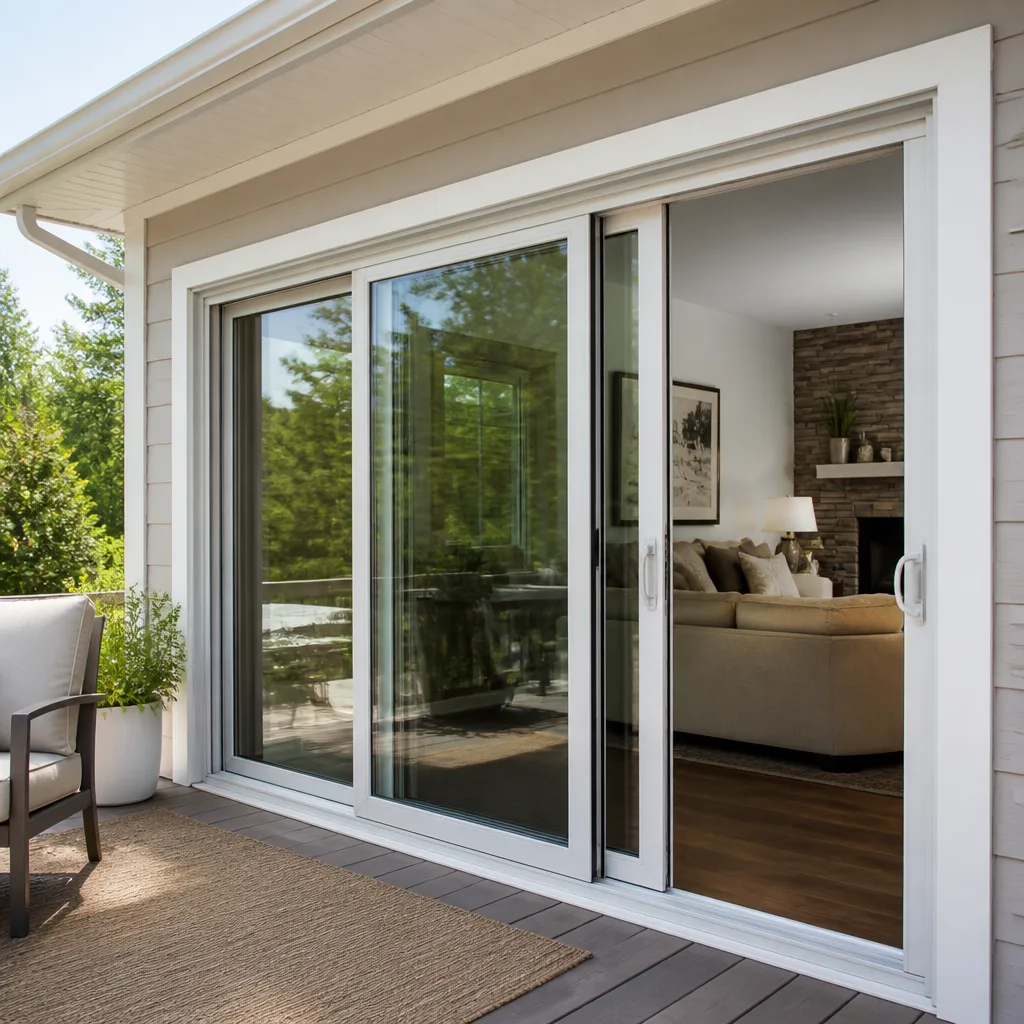
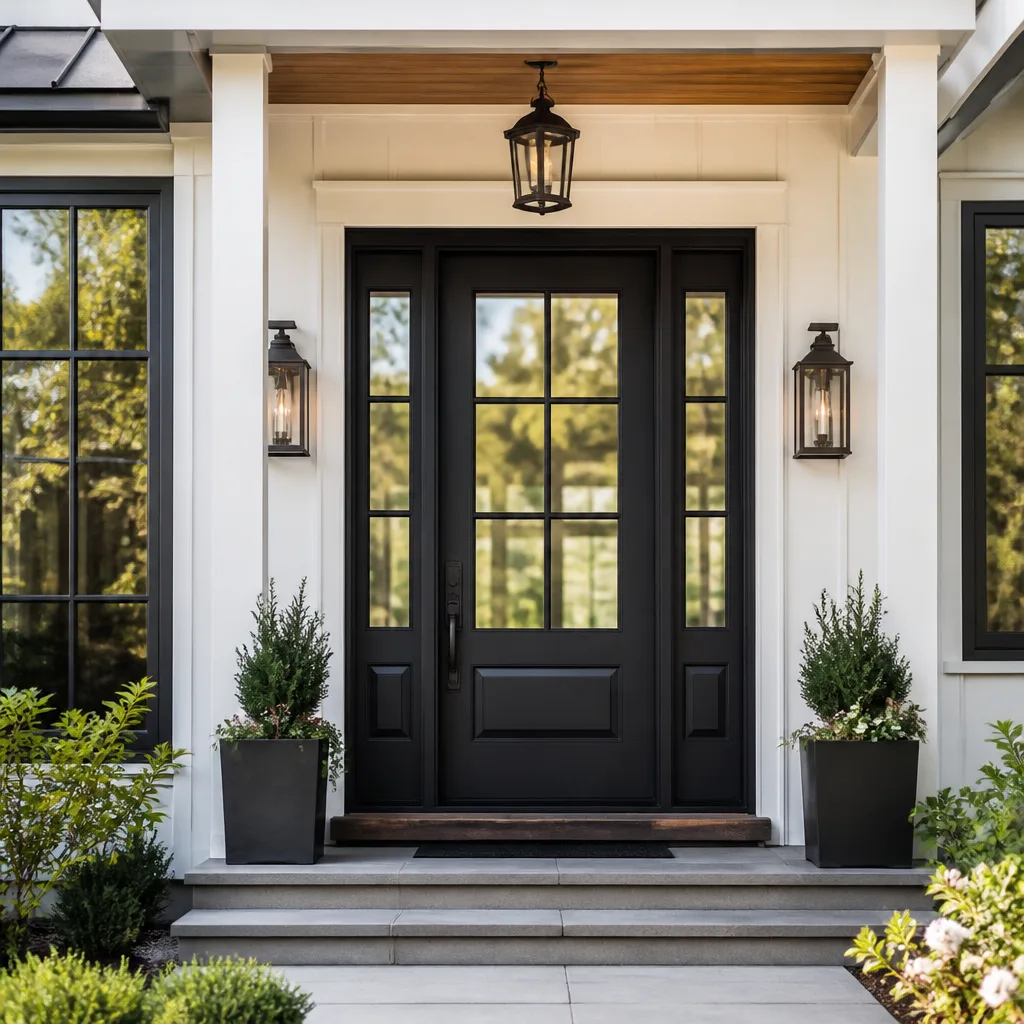
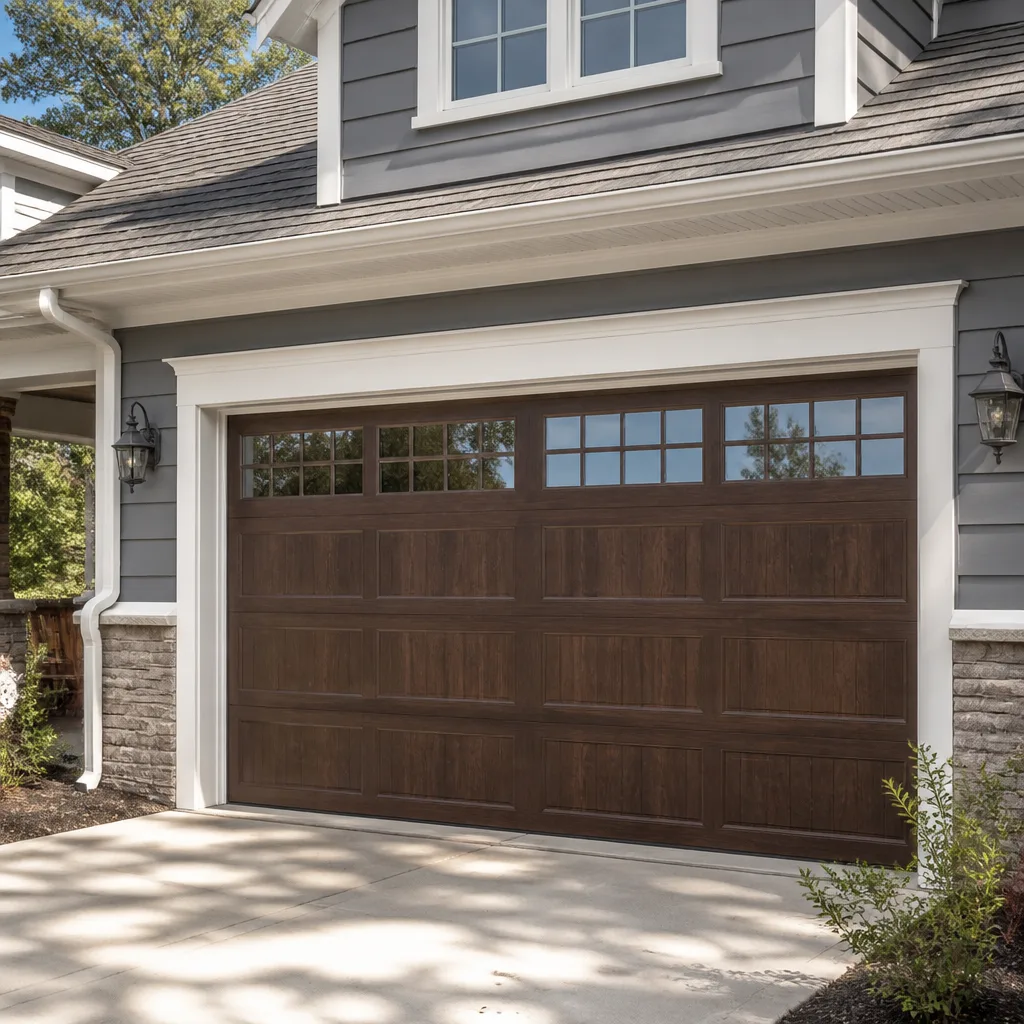
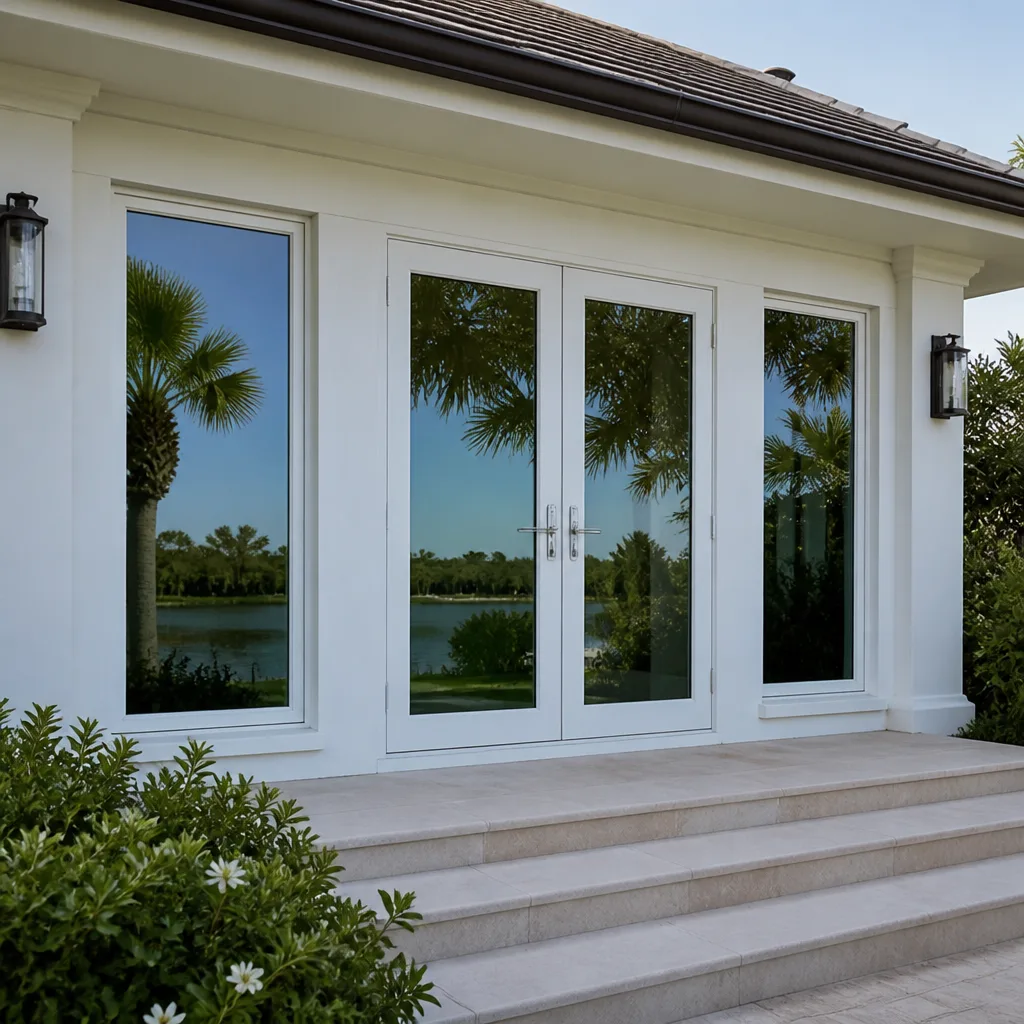
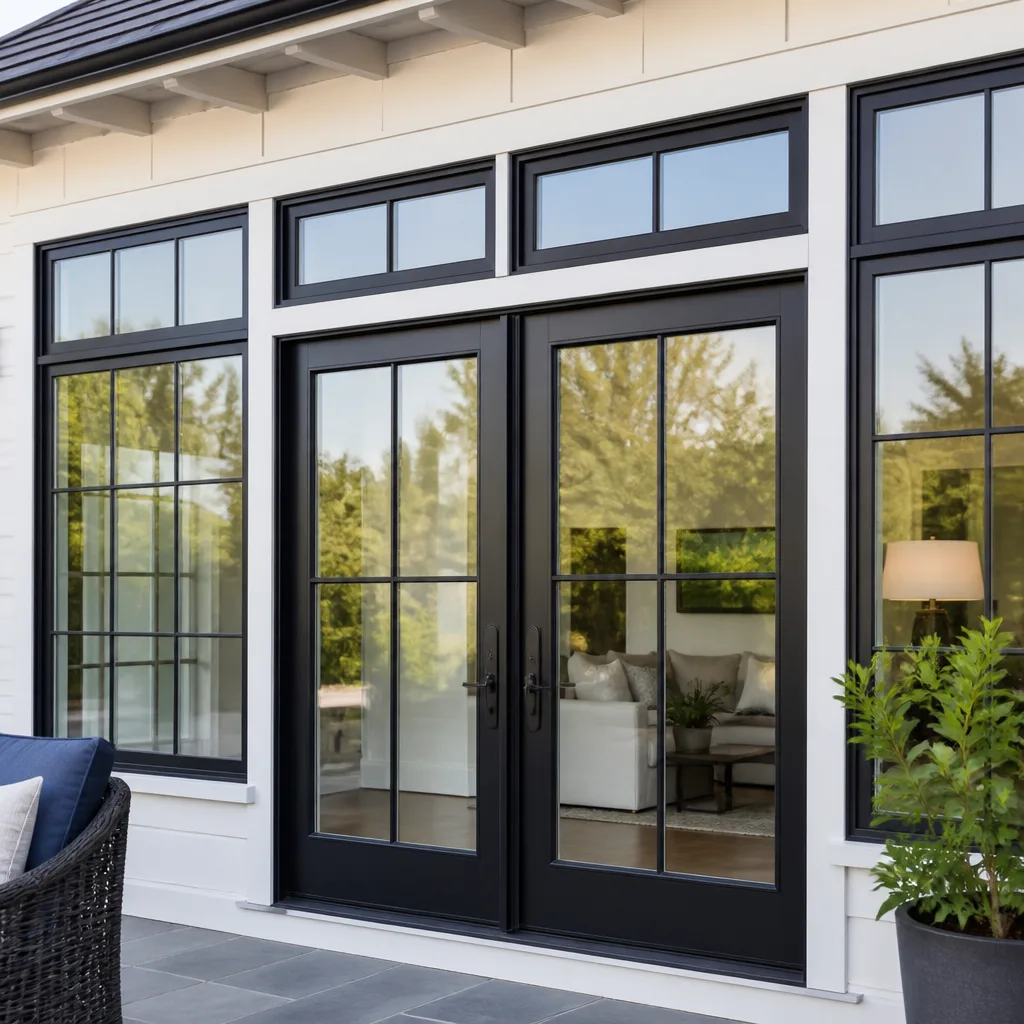
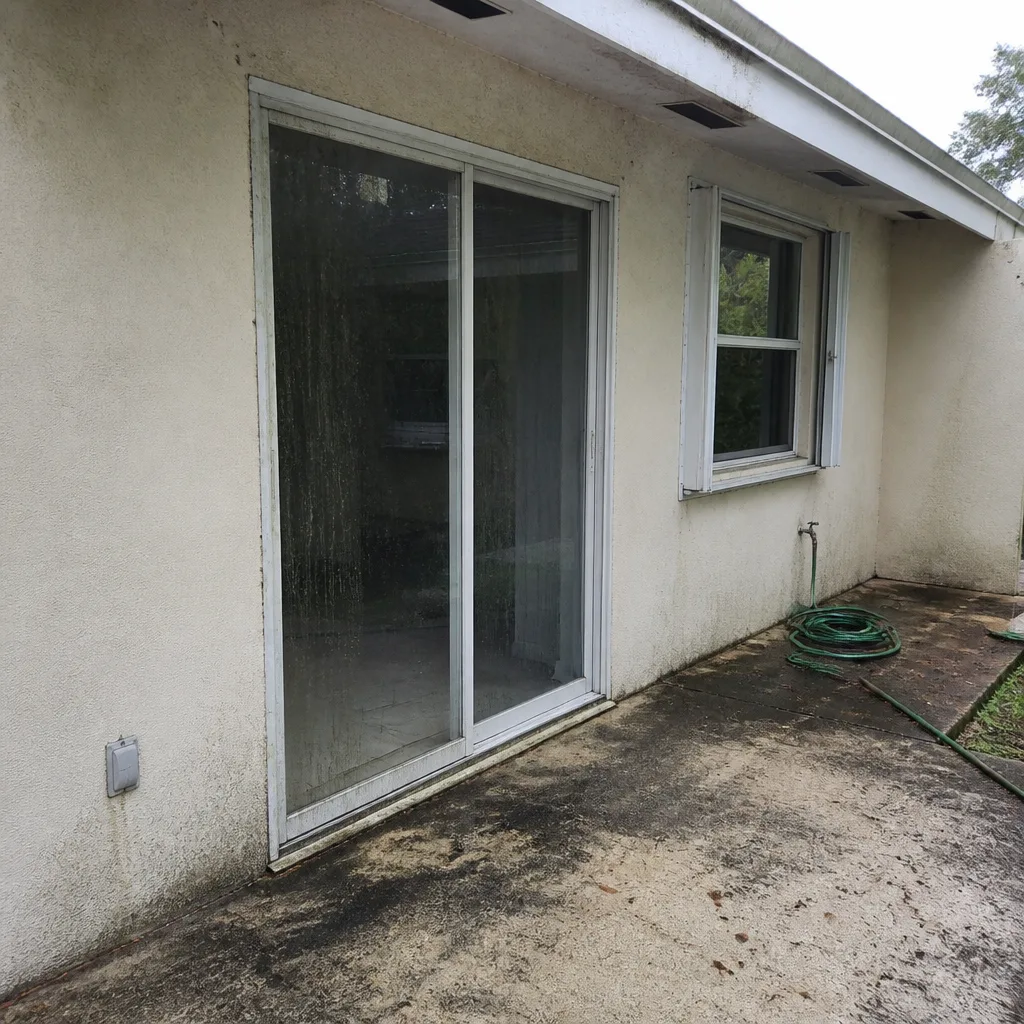 Before
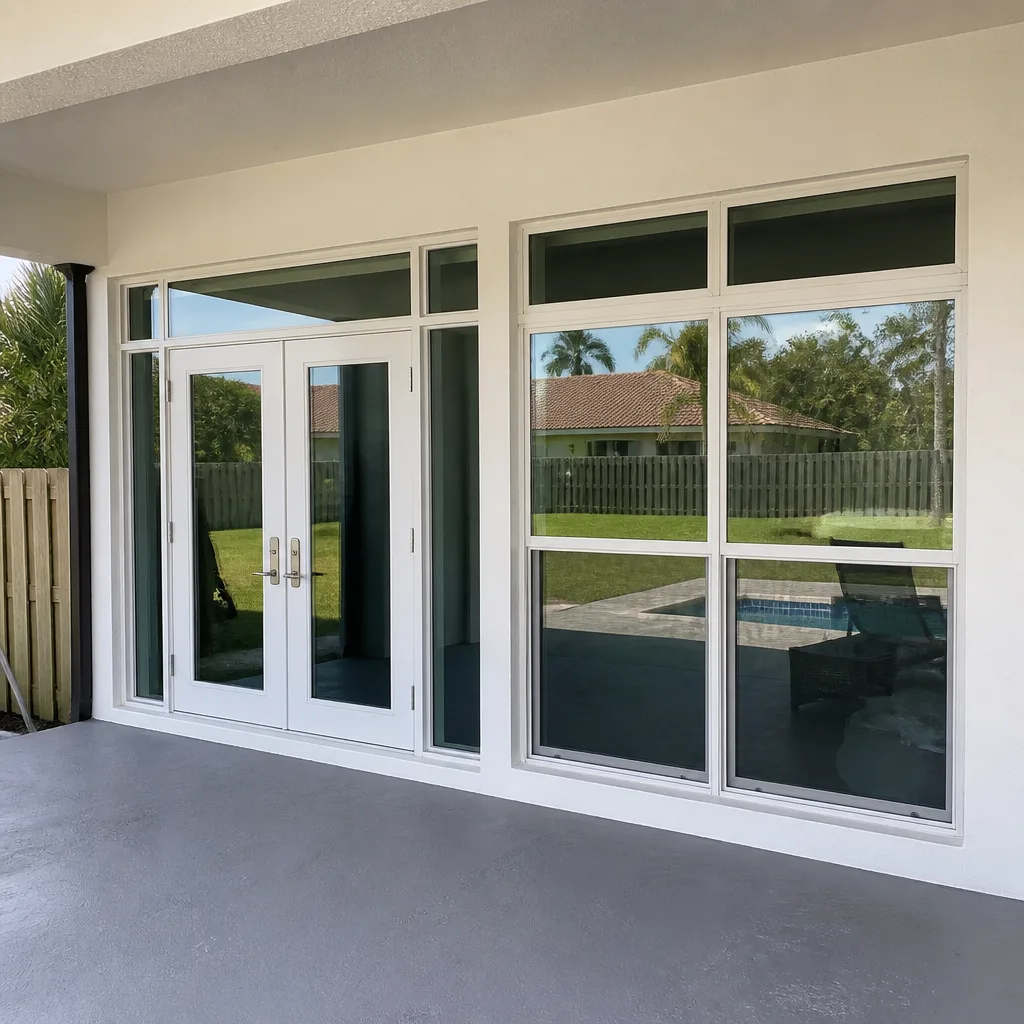 After
After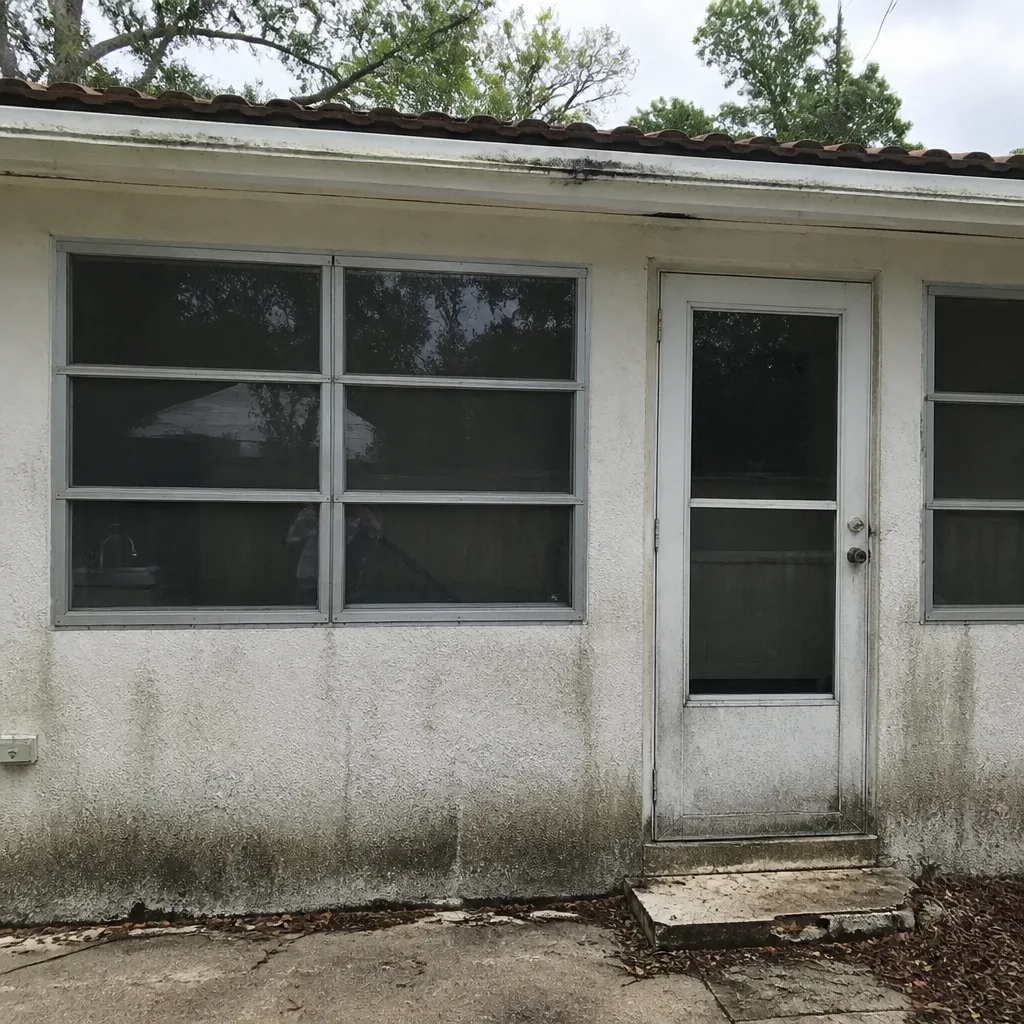 Before
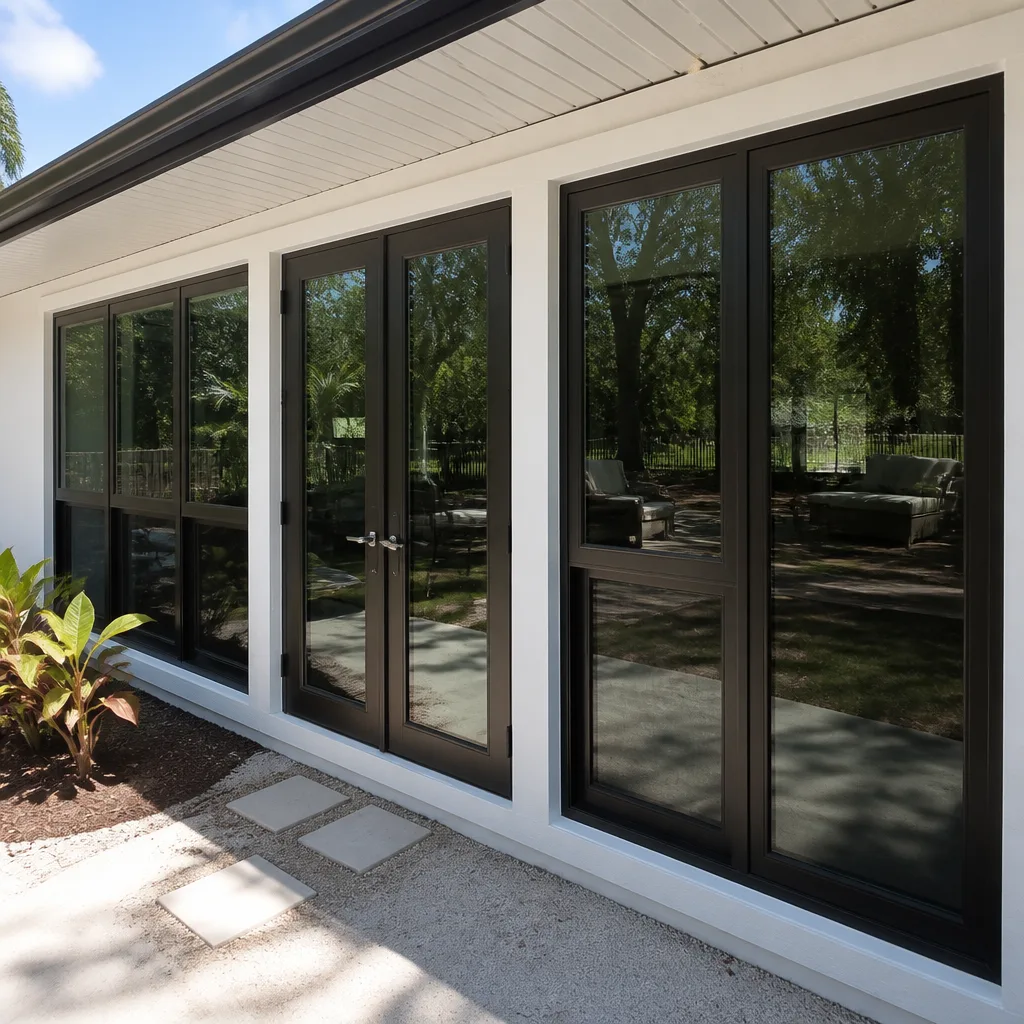 After
After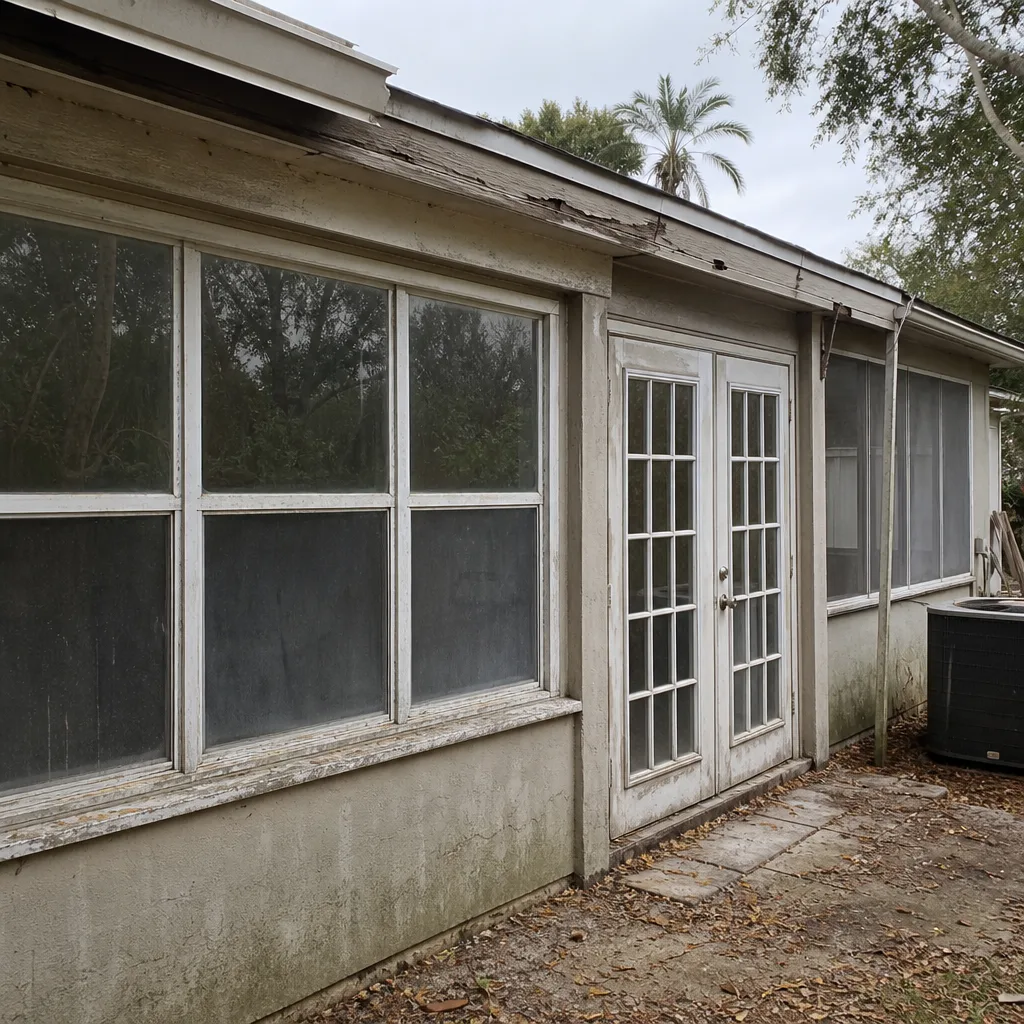 Before
 After
AfterThe Complete Guide to Windows & Doors in Fountainebleau
Most “Florida window guides” are written for Tampa or Orlando, but Fountainebleau falls under Miami-Dade’s High-Velocity Hurricane Zone (HVHZ), the strictest building standard in the continental U.S. That changes almost every decision you’ll make, from product selection to permits to the order in which you schedule work. If you’ve read generic advice about “impact-rated” windows and wondered whether it actually applies to your home off Fontainebleau Boulevard, this guide will answer the questions those other guides don’t even know to ask. For more guides & resources, explore our blog.
Quick Answer
Windows and doors in Fountainebleau must meet Miami-Dade HVHZ standards, which means every product needs a Notice of Acceptance (NOA) on file with the county, not just a generic Florida Product Approval. Expect to pay $900-$2,400 per opening for impact windows and $1,800-$6,500 per door depending on size, brand, and installation complexity. The process runs through Miami-Dade’s Building Department, requires a local permit, and typically takes 4-8 weeks from first measurement to final inspection.
Table of Contents
- Why Fountainebleau’s Wind Zone Changes Everything
- Flood Zones and What They Mean for Door Thresholds
- PGT, CGI, and Therma-Tru: The Brands That Actually Hold Up Here
- What a Fountainebleau Permit Pull Actually Looks Like
- Sequencing Windows, Doors, and Roofing Without Blocking Inspections
- Real Pricing for Fountainebleau Windows and Doors
- Common Mistakes to Avoid
- When to Call a Professional
- Frequently Asked Questions
Why Fountainebleau’s Wind Zone Changes Everything
Fountainebleau sits inside Miami-Dade County’s High-Velocity Hurricane Zone, the only county in the continental United States with its own building code separate from the Florida Building Code. Miami-Dade’s code requires every window, door, skylight, and garage door to pass missile-impact testing that simulates a 9-pound 2×4 traveling at 34 miles per hour. That’s not a recommendation. It’s a code enforcement issue. If a product doesn’t carry an active Miami-Dade Notice of Acceptance, or NOA, your permit won’t clear and the product was never legal to install here in the first place.
The NOA matters more than any marketing label. A product can say “impact-rated” or “Florida approved” and still not be legal in Fountainebleau. We’ve seen homeowners sign contracts for windows that carried a Florida Product Approval from the state, only to have Miami-Dade reject the permit because the specific product series lacked a county-level NOA. The fix is expensive: new product order, new deposit, six more weeks of lead time.
How to verify an NOA before signing anything:
- Ask the contractor for the exact product series name and number, not just the brand. “PGT” alone isn’t enough; it has to be a specific line like PGT WinGuard or CGI Sentinel.
- Go to Miami-Dade County’s Building Department NOA search page and enter the product series.
- Confirm the NOA status is “Approved” and hasn’t expired. Miami-Dade does sunset NOAs that fail re-certification.
- Check that the NOA covers your specific application: some NOAs cover casement windows but not single-hung, or 60-inch by 80-inch maximums that your opening exceeds.
- Print or screenshot the NOA page. Put it with your contract. If anything goes sideways, that document is your leverage.
Ed’s name is on the door, and on every job we do. That’s why we verify NOAs as a matter of routine on every project in Fountainebleau, before you ever sign anything.
Flood Zones and What They Mean for Door Thresholds
Fountainebleau parcels fall across several FEMA flood zone designations, mostly Zone AE and Zone X. The practical takeaway for doors is this: if your parcel sits in an AE zone, FEMA requires the finished floor of your home to sit above the Base Flood Elevation, or BFE. When you replace an exterior door, the threshold height matters in ways that typical window companies never discuss.
A door replacement in Zone AE may trigger a requirement to raise the threshold if the existing door sits at or below BFE. That can mean cutting into the slab, adjusting the door frame, or installing a raised sill pan. We’ve replaced doors on Fountainebleau homes where the original door was never compliant, and the permit review caught it immediately. A big-box installer who doesn’t know Miami-Dade’s flood requirements will quote the door and leave you holding the correction. A local company that’s pulled permits here for over a decade will flag it before the quote is even finalized.
Flood zone also interacts with window selection in one specific way: if your home sits in an AE zone and you’re doing a substantial improvement, defined as work costing 50% or more of the structure’s value, Miami-Dade may require additional floodproofing measures. Most window and door replacements don’t hit that threshold, but combined with a roof replacement, you can get close. This is one reason sequencing matters, and we’ll get to that in a moment.
PGT, CGI, and Therma-Tru: The Brands That Actually Hold Up Here
Not every impact product ages the same under South Florida sun and salt. We’ve installed windows and doors in Fountainebleau since 2011, and the brands that keep performing year after year earn their place in our lineup. Once yours are in, follow our Impact Windows Maintenance Checklist for Fountainebleau Homeowners to protect that investment. Three stand out for different reasons.
PGT WinGuard is the workhorse. PGT is Florida-based, and their WinGuard line has the deepest NOA coverage across window types, from single-hung to casement to picture. The aluminum frames hold up well against salt air, and hardware failures are rare in our experience. For a mid-range budget where you want a proven HVHZ product, PGT is the default recommendation.
CGI is the step up. CGI products carry a thicker frame profile and heavier glass packages, which matters if your Fountainebleau home faces open exposure or sits within a few blocks of open water. The hurricane performance is real, but so is the price: CGI typically runs 20-35% above PGT for comparable openings. We recommend CGI for east-facing elevations and homes where wind-driven rain has been a recurring complaint.
Therma-Tru is the door brand to know. Fiberglass entry doors from Therma-Tru hold finish better than wood in Miami’s humidity, don’t warp the way wood doors do after a few summers, and several series carry Miami-Dade NOAs for impact use. If you’re replacing a front door in Fountainebleau and want something that looks expensive but behaves like a composite, Therma-Tru is where we point people.
We’re an authorized installer for eight premium brands, including PGT, CGI, and Therma-Tru. That authorization matters because it transfers to warranty support: if a product ever fails, we handle the claim directly with the manufacturer, instead of handing you a 1-800 number.
If you’re still deciding on window styles, our Impact Windows in Fountainebleau page breaks down the full range of options that pass Miami-Dade code.
What a Fountainebleau Permit Pull Actually Looks Like
A window and door permit in Miami-Dade is not a quick online form. It’s a real review process with touchpoints most out-of-town contractors skip because they don’t know they exist. Here’s what a permit pull in Fountainebleau looks like, start to finish, when we run it.
- Product selection and NOA verification. Before the permit application is filed, every product’s NOA is confirmed active and matched to the specific opening dimensions.
- Site survey and wind load calculations. The home’s elevation, exposure category, and roof geometry determine the design pressure ratings each product must meet. This isn’t guesswork; it’s a calculation that goes in the permit package.
- Permit application filed with Miami-Dade Building Department. Drawings, product cut sheets, NOA printouts, and wind load calcs are submitted together.
- Plan review. A Miami-Dade plans examiner checks the package for code compliance. Review times fluctuate between 1-4 weeks depending on volume. Anything missing triggers a correction cycle, which is where projects stall when someone files an incomplete package.
- Permit issued. The permit is posted on the job site before any work begins.
- Installation. Technicians install per the approved drawings. No field substitutions, because that voids the permit.
- Inspection. Miami-Dade sends an inspector to verify the installation matches the approved plans. For window and door work, this is usually a structural inspection plus a specific product verification confirming the NOA-matched products were installed.
- Final sign-off. Inspection pass, permit closed, documentation filed.
We carry the permit and inspection burden on every job in Fountainebleau. Permits get pulled, inspections get passed, and the paperwork gets closed out before we call the job done. That’s part of the Done Right Promise: if something isn’t done right, we make it right. Period. If you want to understand the full installation picture before committing, our Window Installation in Fountainebleau guide walks through the process from measurement to final walkthrough.
Sequencing Windows, Doors, and Roofing Without Blocking Inspections
Replacing a roof and replacing windows are two separate permit pulls in Miami-Dade. Do them in the wrong order and inspections start blocking each other, or you end up paying for scaffolding twice. We’ve sequenced full exterior replacements on homes throughout Fountainebleau, and the order matters more than most homeowners expect.
Roof first, windows and doors second. A roof replacement changes the loading on exterior walls, and the roof inspection is cleaner when there’s no active window permit in the system. More practically, roof work involves tear-off debris and foot traffic that can damage new windows if they’re already in place. We’ve seen fresh window frames dented by falling tile shards because someone scheduled the roof after the windows.
Within windows and doors, order by elevation. Do the windward side first if you’re replacing in phases. In Fountainebleau, that’s typically the east or southeast exposure. If a storm threat emerges mid-project, the most vulnerable openings are already protected.
Insurance credits stack when the whole package is complete. Miami-Dade homeowners with impact windows and a certified roof get a larger wind mitigation discount than either upgrade alone. But the discount only applies once the final inspections are closed and the Uniform Mitigation Verification Inspection form is filed. Sequence the work so everything completes in one calendar period, then file the mitigation form once. That maximizes the credit calculation.
Thinking about replacing rather than repairing? Our Window Replacement in Fountainebleau page covers when replacement beats repair and how to budget for it.
Real Pricing for Fountainebleau Windows and Doors
We quote exact figures from a written line-item estimate, not a ballpark. But if you’re budgeting before you call, here’s what replacement work actually costs in Fountainebleau right now.
- Impact single-hung window, average 36″ x 60″ opening: $900-$1,400 installed, depending on design pressure requirements.
- Impact casement window, same opening: $1,100-$1,700 installed.
- Impact picture window, 72″ x 60″: $1,500-$2,400 installed.
- Impact sliding glass door, 72″ x 80″: $2,800-$4,800 installed.
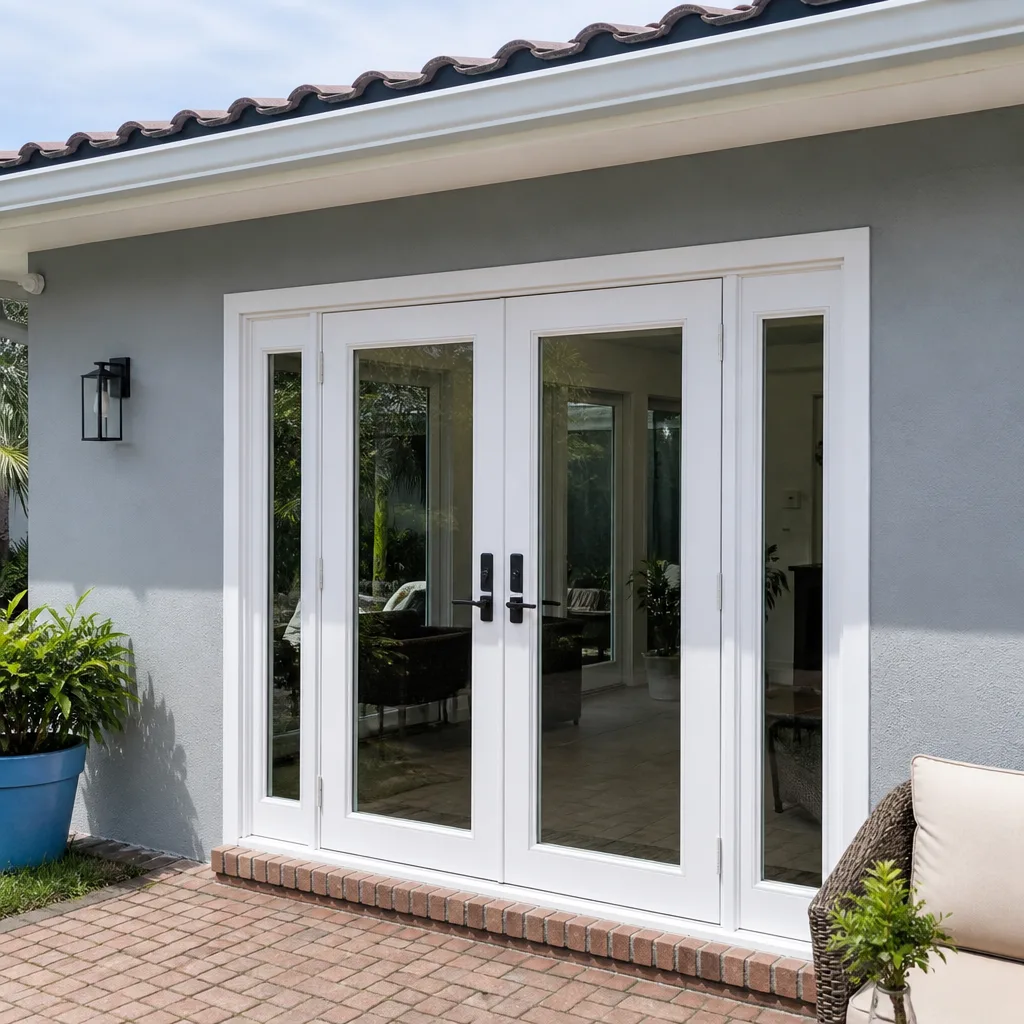
- Impact French door set, 72″ x 80″: $3,500-$5,500 installed.
- Therma-Tru fiberglass entry door, single 36″ x 80″: $1,800-$3,200 installed.
- Full-home replacement, 10-15 openings: $14,000-$32,000 depending on product mix and elevation exposure.
Those numbers assume standard openings with no framing repair. Rotted sills, termite damage, or non-standard sizes push the top of each range. We price every job with a written line-item estimate, fixed before work starts, no change orders unless you change the scope. Standing offers are permanent: $40 off any repair over $200, a free second opinion on any written estimate, no trip charge inside our home county, and a 10% discount for seniors and veterans. Call (727) 620-6983 for an exact quote.
Common Mistakes to Avoid
- Buying “impact-rated” windows that don’t carry a Miami-Dade NOA. The state-level Florida Product Approval is not the same as a county NOA. If it doesn’t show up in Miami-Dade’s NOA database, your permit gets rejected. We’ve reviewed dozens of Fountainebleau contracts where this one mistake added two months to the timeline.
- Replacing doors without checking flood zone requirements. In Zone AE parcels, a new exterior door may need a threshold height adjustment to stay compliant with FEMA elevation rules. A contractor unfamiliar with Fountainebleau’s flood map won’t catch it until the inspector does, and by then the door is already installed.
- Sequencing roof and window work backward. New windows dented by roof debris is a real cost, not a hypothetical. Roof first, windows second, file the mitigation form once.
- Skipping the written estimate. Verbal quotes evaporate. A written line-item estimate locks the price and gives you a document to compare against a competitor’s scope. We’ll do a free second opinion on any written estimate you bring us, and we’ll tell you honestly if it’s fair.
- Choosing products based on price per window, not per opening. A cheap window in a high-exposure elevation costs more in the long run when the frame flexes under wind load and you’re chasing air leaks. Design pressure ratings exist for a reason; match the product to the elevation.
- Assuming all contractors pull permits. Some do not. In Miami-Dade, unpermitted window and door work is a code violation that affects insurance claims and resale. Ask for the permit number before work starts. If a contractor hesitates, walk away.
- Filing the wind mitigation form before all inspections are closed. The insurance credit only applies after final sign-off on every component. File once, with everything complete, and your premium reduction reflects the full scope of work.
When to Call a Professional
Window and door replacement in Fountainebleau is not a weekend project. The HVHZ code requirements, the permit process, and the product verification steps are beyond what even a skilled DIY homeowner should attempt. If you have a window that’s fogged between panes, a door that doesn’t seal, or you want impact protection and your current openings are original to the home, call a professional who pulls Miami-Dade permits every week, not once a year. Winslow Windows & Doors offers free estimates in Fountainebleau. Call (727) 620-6983. A real person answers, 24/7, and Ed stands behind every job we do.
Frequently Asked Questions
Window replacement in Fountainebleau typically costs $900-$2,400 per opening for impact-rated products, depending on window type, size, and required design pressure rating. A full home with 10 to 15 openings runs $14,000-$32,000. Call (727) 620-6983 for a written line-item quote, free of charge.
Yes. Fountainebleau lies within Miami-Dade’s High-Velocity Hurricane Zone, which requires every exterior window and door to carry an active Miami-Dade Notice of Acceptance and meet missile-impact testing standards. Shutters can be an alternative in some cases, but the opening itself must be protected to HVHZ standards regardless.
Most window and door replacements in Fountainebleau take 4-8 weeks from signed contract to final inspection, with the installation itself typically 2-3 days for a full home. Permit review time at Miami-Dade Building Department is the biggest variable. We handle the entire permit process on your behalf.
The Done Right Promise is our standing commitment: if the work isn’t done right, we make it right, period. That’s 100 years of accountability written into every job we do in Fountainebleau. No national chain puts its name on a promise like that.
No. We quote fixed pricing with a written line-item estimate before work begins, and we don’t issue change orders unless you change the scope. If we find rot or structural damage during installation, we stop, show you the issue, and agree on the fix before proceeding. No surprises on the invoice.
Yes. We pull every permit in our name, carry the plan review, and schedule inspections with Miami-Dade County. The permit is closed and documented before we consider the job complete. That’s part of how we’ve served Fountainebleau since 2011.
The Bottom Line
Fountainebleau homes live under the strictest building code in the continental United States, and that’s not a burden; it’s a protection. The right windows and doors, verified against Miami-Dade NOAs, installed with permits pulled and inspections passed, will stand through storm seasons for decades. The wrong products installed without the paperwork won’t, and they’ll cost you more when the insurance claim or resale inspection comes around. You need a local company that knows this zip code’s wind zones, flood classifications, and permit history. Winslow Windows & Doors has served Fountainebleau since 2011. We answer the phone 24/7, we price upfront, and we stand behind every job. Call (727) 620-6983 for a free estimate. The one down the road.
Written by Ed Winslow, Owner at Winslow Windows & Doors, serving Fountainebleau since 2011.
Six Reasons Homeowners Choose Winslow Windows & Doors
Impact systems engineered to design pressures up to +/-100, matched to your wind zone - your openings hold when the storm arrives.
Low-E insulated impact glass from our manufacturer lines commonly cuts monthly cooling bills 20-30%.
Laminated impact glass shuts out up to 40% of outside noise - traffic, neighbors, weather.
Monitoring services run $30-90 a month. Laminated impact glass resists forced entry around the clock, with no subscription.
Florida homeowners average around 25% savings on the windstorm portion of their policy after protecting every opening - some homes qualify for more.
A full impact package upgrades curb appeal, buyer confidence and appraised value in one project.