
Last updated August 27, 2026
Free in-home measure and quote - PGT, CGI and CWS impact lines compared on your actual openings, style by style
 Before
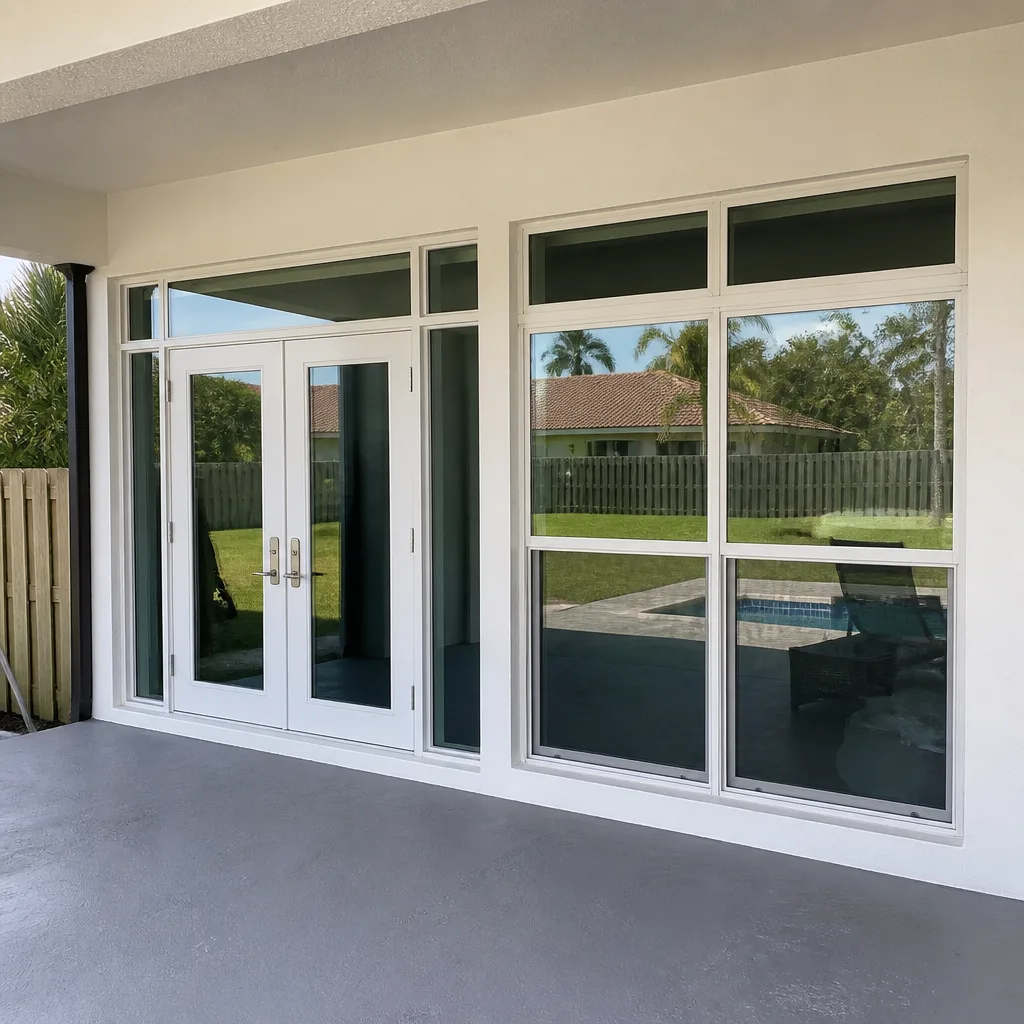 After
After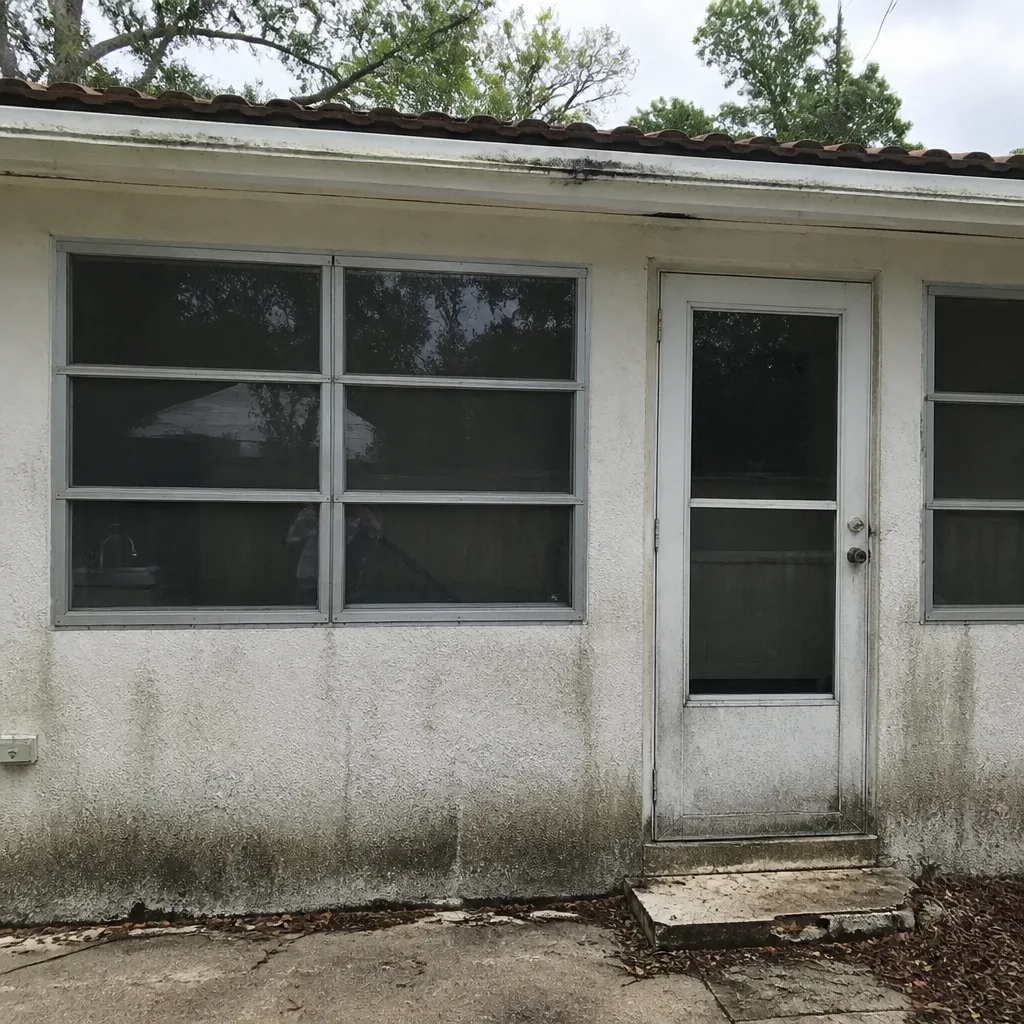 Before
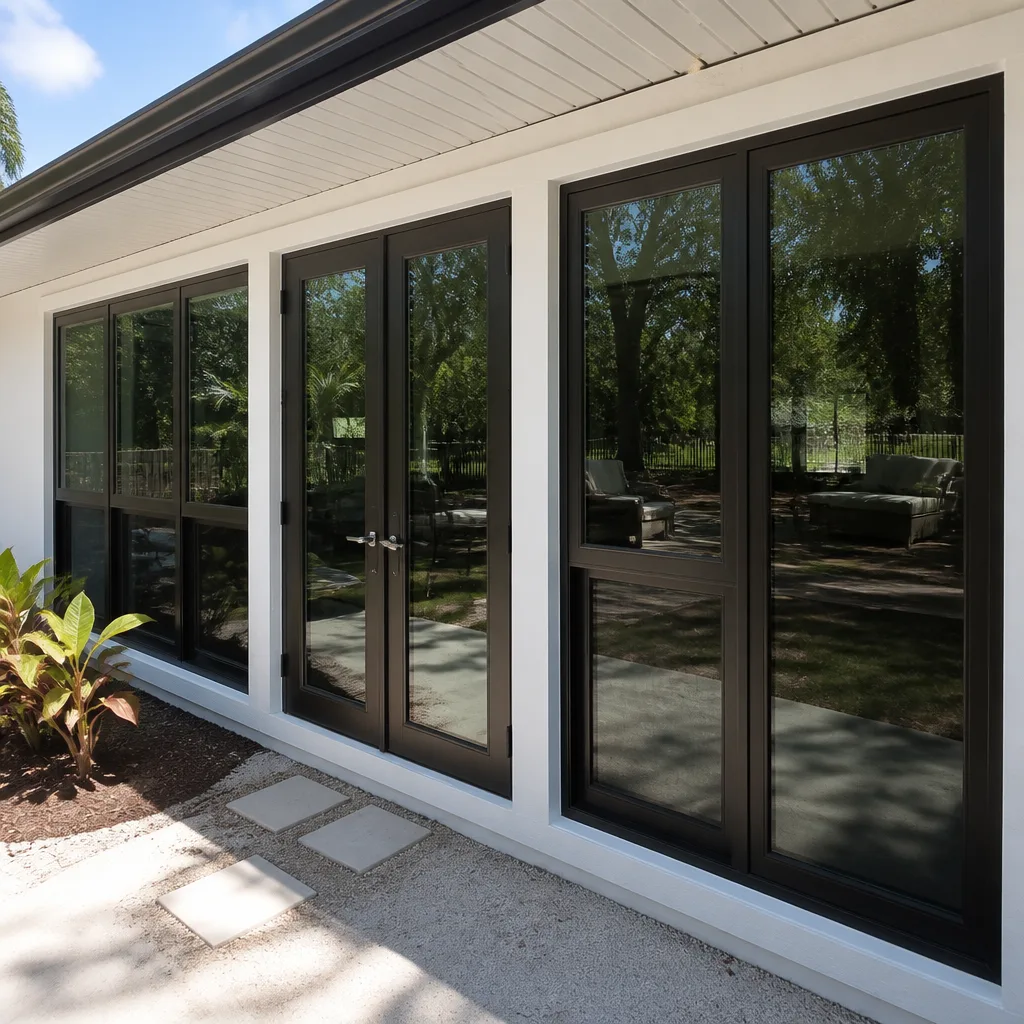 After
After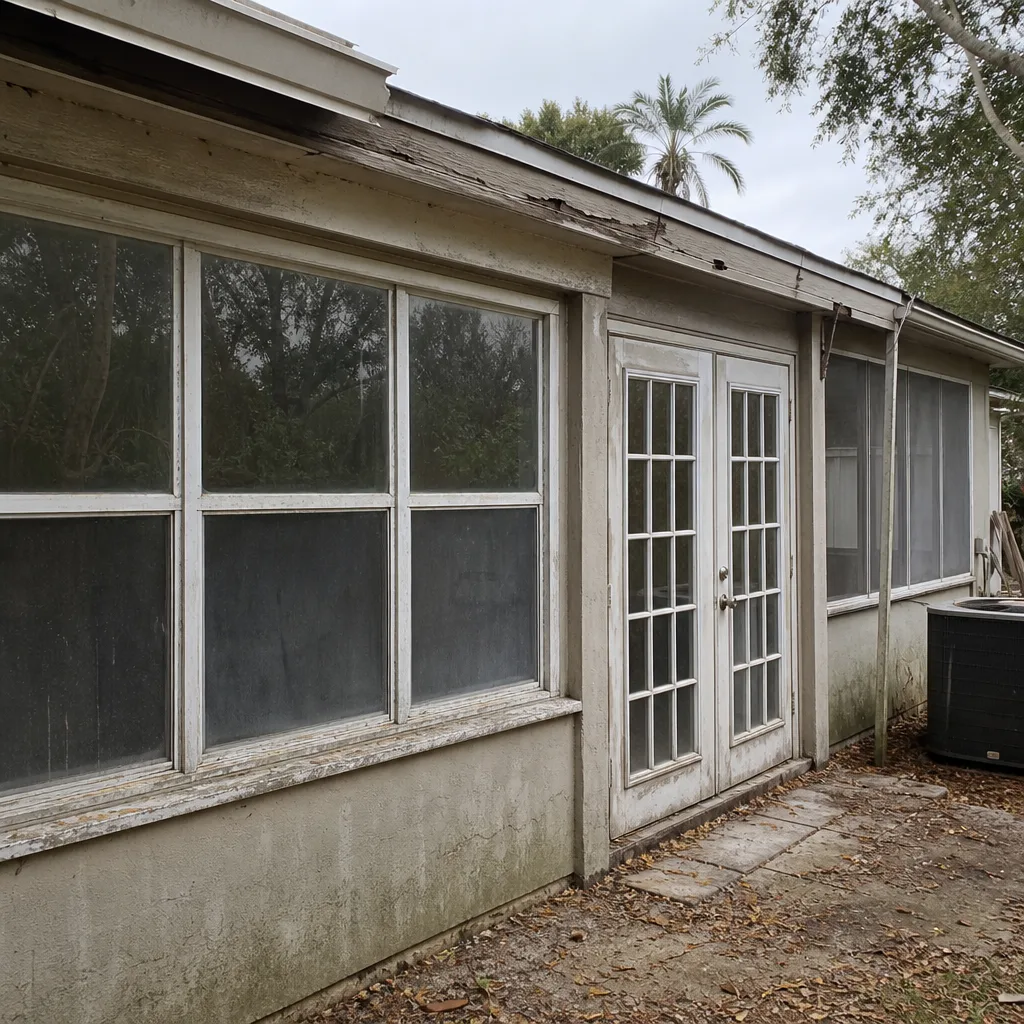 Before
 After
AfterImpact Windows Maintenance Checklist for Fountainebleau Homeowners
Here’s something most impact window companies won’t tell you: the manufacturer can legally deny your warranty claim if your weep holes were blocked when the damage happened. In Fountainebleau, with our clay-heavy soil and the way landscaping debris gets kicked up during summer storms, those tiny drainage channels clog faster than almost anywhere else in Miami-Dade. This guide gives you a twice-yearly maintenance routine that keeps the warranty intact, the protection real, and the value in your impact windows.
Quick Answer
Impact window maintenance in Fountainebleau comes down to a twice-yearly inspection of weep holes, silicone glazing, hardware lubrication, and multi-point locking engagement. Most warranty voidances we see trace back to blocked weep holes and dried-out glazing beads that never got checked. The whole routine takes about 45 minutes per home and is best done in April and October, just before and after storm season.
Table of Contents
- Weep Hole Inspection and Clearing
- Testing Silicone Glazing Integrity
- Hardware Lubrication for Salt-Air Exposure
- Testing Multi-Point Locking Engagement
- Photo Documentation for Warranty and Insurance
- Seasonal Timing for Fountainebleau’s Climate
- Common Mistakes to Avoid
- When to Call a Professional
- Frequently Asked Questions
Weep Hole Inspection and Clearing
Weep holes are the small drainage openings along the bottom edge of your impact window frame. They exist to let water escape from the track and frame channels. When they clog, water pools inside the frame, and that pooled water sits against seals, corrodes hardware, and eventually works its way into the wall cavity. In Fountainebleau, the soil is dense and clay-rich, which means irrigation water and rain don’t soak away quickly. Instead, water pools at the foundation line, and every time wind blows across that standing water, fine soil particles get airborne and settle into your window tracks.
The weep holes on most impact-rated frames are quite small, typically 1/4 inch slits or round holes spaced every 12 to 18 inches along the exterior bottom edge. From the inside, you won’t see them. You need to check them from the outside, crouching down at sill level. Here’s the inspection and clearing sequence we recommend for Fountainebleau homes:
- Clear loose debris from the window sill and track with a soft brush. Don’t use a pressure washer at this stage, the goal is to expose the weep holes without forcing debris deeper into them.
- Look for standing water inside the track after a rain, it’s the clearest sign the weep holes are partially blocked.
- Insert a stiff but non-metallic probe, a plastic zip tie or a pipe cleaner works well, gently into each weep hole. Push no more than half an inch and ease the probe out. If it comes back with mud or plant material, the hole needs flushing.
- Flush each weep hole with a low-pressure stream of water from a garden hose fitted with a narrow nozzle. Keep the nozzle at a 45-degree angle and let water run for 5 to 10 seconds per hole. If water backs up rather than drains through, the channel is blocked beyond the visible opening.
- For stubborn blockages, use a wet-dry vac on the exterior weep hole while a helper holds the vac nozzle against the opening. This creates suction that pulls compacted soil out of the frame channel.
If you have dense landscaping close to the house, and many Fountainebleau lots do, you’ll likely need to clear weep holes more often than twice a year. Homes with hibiscus hedges, bougainvillea, or mature oak within 10 feet of an exterior wall accumulate debris at roughly triple the rate of homes with open lawns. Cut back any vegetation that touches the window frame, it’s a direct moisture bridge and a debris source.
Blocked weep holes on an impact window are not covered by warranty, and the failure they cause can spread. We’ve seen water intrusion claims denied by manufacturers because the maintenance record showed clogged drainage. If you document each clearing, and we’ll show you how later in this guide, you’re protecting both the window and the claim.
Testing Silicone Glazing Integrity
The glazing on an impact window is the sealant bed that holds the laminated glass to the frame and blocks air and water movement. On most Florida impact units, including those from brands like ECO Window Systems and Mr-Glass, the glazing is a continuous marine-grade silicone bead on both the interior and exterior glass-to-frame junctions. That silicone does not last forever. Ultraviolet exposure, salt air, and the constant thermal cycling of a Fountainebleau summer degrades it over 8 to 12 years, sometimes sooner on due-west walls that catch full afternoon sun.
Testing glazing integrity is straightforward and does not require any special equipment. Two minutes per window, twice a year, catches most failures before they let water through.
Visual Test
- Run your eyes along both the interior and exterior silicone beads on every window. Look for continuous, smooth, homogeneous color. Fresh silicone is uniform. Aging silicone shows white chalky areas first, then hairline cracks, then visible separation from the glass or frame.
- Check for any gap between the silicone and the glass, even a paper-thin gap. In the humidity of Fountainebleau, a fine gap is enough to let moisture in and start condensation inside the glazing channel.
- Look for bulges. Silicone that has lifted off the frame will look like a small ridge or bubble when you view it edge-on against direct sunlight.
Press Test
- Press a fingertip into the silicone bead at several points along the frame. Healthy marine-grade silicone compresses slightly and springs back, similar to pressing a rubber eraser. Brittle or hardened silicone feels like pressed cardboard and does not flex.
- If the bead crushes or flakes under light pressure, the seal has failed even if it looks glossy from a distance.
Water Test
- On a dry day after at least 48 hours without rain, run water from a cup slowly along the top joint of the window from the exterior, not a hose, just a controlled pour.
- Wipe the interior glazing bead entirely dry before you start. After the water test, check the interior bead with a white cloth. Any moisture transfer means the exterior glazing is compromised.
- Repeat on one window per elevation of the house. If one fails, the others on the same wall likely will soon, because they age at the same rate under the same sun exposure.
When a glazing seal fails on an impact-rated unit, it is rarely a whole-window replacement. The glass is fine, and the frame is fine, what’s needed is a clean removal and re-bed of the silicone, which is a precision job. The bead must be fully removed, both surfaces solvent-cleaned and primed, and the replacement laid in one continuous bead to restore the water barrier. This is something our technicians do on a regular basis for Fountainebleau homeowners, and it’s typically a fraction of the cost of a new sash.
Hardware Lubrication for Salt-Air Exposure
Fountainebleau sits about 12 miles inland from the Atlantic, close enough that salt-laden air reaches us every day, especially during onshore wind patterns in late winter and spring. Salt accelerates corrosion on uncoated metals, and impact window hardware is mostly a mix of stainless steel, zinc-alloy castings, and brass, which are corrosion-resistant but not corrosion-proof. The moving parts need a specific lubrication routine to hold up.
The most common mistake we see is using a petroleum-based lubricant like WD-40. It displaces water well but leaves almost no lasting film, and the solvent carrier can attack the synthetic seals around the rollers and operators. What works is a dry silicone spray or a synthetic PTFE-based lubricant. These coat the hardware without attracting dust or degrading sealing surfaces. Avoid anything aerosol with a strong solvent odor, it will soften certain plastic cam components.
Here’s the lubrication schedule for impact hardware, designed for our local salt-air conditions:
Sliding Impact Doors
- Vacuum the bottom track completely. Fountainebleau soil particles are abrasive and will grind into the rollers if left in the track.
- Lubricate the rollers with dry silicone spray. Open the door, locate the roller adjustment ports on the inside vertical edge of the door panel, and apply one short burst into each port while rolling the door back and forth.
- Lubricate the upper guide channel if your slider has one. This prevents the panel from binding at the top.
- Apply a light silicone film to the lock cylinder by inserting the spray straw directly into the keyhole and giving one breath of product. Work the key in and out several times.
Casement and Awning Operators
- Open the vent fully and wipe the operator arms clean with a dry microfiber cloth.
- Apply dry silicone to each hinge point on the arm, not the track. A small drop on each rivet joint is enough.
- Rotate the operator handle through its full travel three times while the window is held open, to distribute the lubricant through the mechanism.
- Wipe away any excess, excess lubricant attracts and traps that salty Fountainebleau dust, which defeats the purpose.
Multi-Point Lock and Keeper Strikes
- Extend the lock bolts fully and wipe each one clean.
- Apply a PTFE dry film to each exposed roller or hook bolt.
- Lubricate the keeper strike channels in the frame, they get clogged with fine debris and cause binding.
Do this lubrication on roughly the same schedule as the weep hole clearing, twice a year. Hardware that receives this routine service typically lasts the life of the window. Hardware that is ignored starts binding, then forces the homeowner to over-tighten, then breaks, and that is a repair that almost always requires partial frame disassembly.
Testing Multi-Point Locking Engagement
The multi-point lock on an impact door is the single most common pre-storm failure point we identify in Fountainebleau. These are the locks that engage at three or more points along the door edge when you lift the lever. They work beautifully when everything stays aligned, but Fountainebleau’s clay soil expands and contracts with the wet and dry seasons, and that seasonal movement shifts door frames enough to knock the lock points out of alignment. By the time a homeowner notices the door is hard to lock, the misalignment is already advanced.
Every six months, test the engagement on every impact-rated door in your home. Here is what a pass looks like and what a fail looks like.
Pass Criteria
- The lever lifts smoothly from horizontal to the 45-degree locked position without resistance or grinding.
- You hear or feel every lock point engage, typically two to four distinct clicks depending on the door, and the handle settles firmly at the locking position.
- When you press the door from the interior at each locking point, there is absolutely zero movement. The door should feel as solid as the wall.
- The door swings freely when unlocked and does not rub the threshold or frame.
Fail Criteria
- The lever requires force to lift, or feels like it sticks partway through the throw.
- Only one click is heard when there should be three or more, which means the secondary points are not engaging.
- You can see daylight between the door slab and the weatherstripping at any point along the lock-side edge.
- The door passes the dollar-bill test when locked: a dollar bill inserted into the gap at the lock point slides out with light finger pressure.
If you record a fail, don’t wait. An out-of-alignment multi-point lock leaves the door secured only at one point, and in a real storm event, that one point can shear. The fix is usually a hinge adjustment or a keeper realignment, which takes an experienced technician under an hour per door. If the frame has moved significantly due to soil movement, the correction may involve re-shimming the frame, which is more involved but still far cheaper than a post-storm door replacement.
Photo Documentation for Warranty and Insurance
Maintenance you can prove is maintenance that protects you. The warranty on an impact window is conditional. Manufacturers build in language that requires “reasonable maintenance,” and if a claim lands on their desk, they will look for evidence. Insurance carriers do the same after a breach or water intrusion event. Fountainebleau homeowners who keep a simple photo log of their twice-yearly maintenance routine get claims approved faster and pushback is rare.
What you’re building is a date-stamped visual record that shows you inspected and serviced the windows on a consistent schedule. A smartphone camera is all you need. Here’s the documentation sequence we recommend after each maintenance cycle:
- Photograph every weep hole after it has been cleared. A close shot showing an open, clean drainage opening. Do this even if you cleared nothing, the photo proves the inspection.
- Photograph the full length of the exterior silicone bead on every window elevation. If any portion looks suspicious, take a macro close-up of that section for your records.
- Photograph each multi-point locking mechanism in the locked position, from the edge, showing the bolts fully seated in the keepers.
- Photograph the full window date code or label on at least one unit per elevation. This label ties your maintenance record to the specific product.
- Write a two-line note in a physical notebook or a notes app listing the date, what you checked, and what you found. Attach the photos.
We tell Fountainebleau homeowners to keep this record for as long as they own the home. When you sell, the record adds real value to the listing and answers the buyer’s question of whether the impact windows were maintained. When a storm hits, the record answers your insurer’s question the same way.
Seasonal Timing for Fountainebleau’s Climate
May is the month the Atlantic starts becoming statistically dangerous for Florida, and November is the month the season officially winds down; see our seasonal windows & doors care guide for the full year-round schedule. Our recommendation is to run the full maintenance checklist in early April and again in early October. The April session catches any issues that developed over the dry winter months, and the October session verifies every window and door before the final stretch of the season.
There is a third trigger that is worth watching: structural drying. Fountainebleau’s clay-heavy soil shrinks during dry spells and swells dramatically after prolonged rain, and that movement is not uniform. A prolonged dry spell followed by a heavy rainy season is the combination that produces the most frame shift we see. If we’ve had an unusually dry spring, or an unusually wet summer, that’s a signal to run the checklist a third time in mid-summer.
Homes on the eastern side of Fountainebleau, closer to the Palmetto Expressway, deal with a different environmental factor than homes in the quieter interior streets: airborne brake dust and road film traveling on the prevailing wind. That extra particulate load means external hardware and track areas need cleaning more frequently. Homes with western exposure deal with the harshest afternoon sun, so glazing beads on that elevation degrade faster. Adjust the schedule to your home’s exact conditions, not a generic guideline.
Common Mistakes to Avoid
- Clearing weep holes from the inside. Impact window weep holes drain to the exterior and are positioned at the exterior edge of the frame. Poking from the interior track pushes debris deeper into the channel and packs it in tighter. Always clear from the outside.
- Using WD-40 or petroleum sprays on hardware. The solvent carrier breaks down the synthetic seals around rollers and cam components, and the thin film evaporates within weeks. Use dry silicone or PTFE lubricant only.
- Pressure-washing the windows as maintenance. High pressure forces water behind the glazing bead and into the frame channels, and can push fine Fountainebleau soil into the weep holes rather than clearing them. Low-pressure hose flow only, never a pressure washer on impact window frames.
- Ignoring a hard-to-lock door. Homeowners compensate by lifting the handle harder, which bends the lock rods, which throws the alignment further out, which makes the next repair more expensive. A door that is hard to lock is already failing, fix it before the storm forces the issue.
- Skipping the glazing check because the windows are “new.” Even premium impact units from manufacturers like Therma-Tru or ViewLux have a finite glazing lifespan, and sun exposure starts the aging clock the day the window goes in. A five-year-old window on a west wall can already show early glazing degradation.
- Doing maintenance and forgetting to document it. The maintenance only counts for warranty and insurance purposes if you can show it happened. Photos and dates are the proof. Ten minutes of documentation doubles the value of the hour you just spent.
- Assuming storm-rated means maintenance-free. Impact windows are low-maintenance, not no-maintenance. Nothing mechanical and sealed survives Florida’s sun, soil, and salt air indefinitely without a twice-yearly check. The homeowner who believes “maintenance-free” is the one who files a denied warranty claim.
When to Call a Professional
Most of the checklist in this guide is safe for a homeowner to complete, but there are conditions that call for a trained technician. If you find standing water inside a frame that will not drain after clearing, the internal channel may be blocked or misaligned. If the silicone bead shows separation along more than a few inches, a full re-bed is needed and it must be done correctly to restore the water barrier. If a multi-point lock fails the engagement test, the adjustment is more than a DIY fix and a mistake can compromise the door’s impact rating.
Winslow Windows & Doors offers free estimates in Fountainebleau, call (727) 620-6983. Ed Winslow’s name is on the door, and on every job we do.
Frequently Asked Questions
Twice a year is the right baseline in Fountainebleau, in early April before the Atlantic season ramps up and in early October before the season winds down. Homes with heavy landscaping close to the exterior walls, or with dense clay soil conditions that cause noticeable seasonal frame movement, often benefit from a third check in mid-summer. The full maintenance routine takes under an hour for most homes.
For a homeowner doing the basic inspection, lubrication, and documentation themselves, the cost is around $15 to $25 per year in lubricants and cleaning supplies. Professional service, including a full glazing inspection, weep hole service, hardware adjustment, and documentation, typically ranges from $85 to $180 per visit depending on the number of windows and doors. Call (727) 620-6983 for a specific quote on your home, estimates are free.
Blocked weep holes that cause water accumulation at the time of a damage claim are the most common warranty voidance we see. Unauthorized repairs or modifications, the use of harsh chemical cleaners on frames or glass, and failure to address documented glazing separation also give manufacturers grounds to deny. The warranty language is specific: it covers manufacturing defects and impact resistance, not damage caused by lack of basic maintenance, and the manufacturer decides which is which when the claim arrives.
Yes, but choose an ammonia-free glass cleaner or simply use warm water with a few drops of mild dish soap. Ammonia attacks the edge seals over time, and strong solvents can damage the glazing bead. Never use abrasive pads or scrapers on the glass or frame, laminated impact glass has a surface treatment that can be scratched by anything harsher than a microfiber cloth.
Pour a cup of water directly into the exterior track of the window on a dry day and watch whether it drains out through the weep holes within 30 to 60 seconds. If it pools or drains slowly, the holes are partially blocked. In Fountainebleau’s fine clay soil conditions, partial blockages are common even on homes that were serviced six months earlier.
With our process, no. Ed Winslow operates on upfront pricing and a fixed line-item quote. The price you are quoted before the work begins is the price you pay when the job is done, unless you approve a change in writing first. There are no surprise line items on our invoices, and no contractor in Fountainebleau should be asking you to sign an open-ended work order. Call (727) 620-6983 for a fixed quote, the estimate is free.
The Bottom Line
Impact windows are the best investment a Fountainebleau homeowner can make in storm protection, but they are an investment that requires a light maintenance hand to protect. Weep holes cleared, glazing checked, hardware lubricated, and locks tested twice a year keeps the warranty valid and the protection real when a storm makes landfall. The entire routine takes less than an hour per session, costs almost nothing to do yourself, and gives you a documented record that protects both your insurance claim and your home’s resale value. Skip it, and the “maintenance-free” marketing promise becomes a denied warranty and a water intrusion repair. For homeowners who prefer a professional set of eyes, we’re the one down the road, call (727) 620-6983 for a free estimate, or browse more guides & resources on our blog.
Written by Ed Winslow, Owner at Winslow Windows & Doors, serving Fountainebleau since 2011.
Six Reasons Homeowners Choose Winslow Windows & Doors
Impact systems engineered to design pressures up to +/-100, matched to your wind zone - your openings hold when the storm arrives.
Low-E insulated impact glass from our manufacturer lines commonly cuts monthly cooling bills 20-30%.
Laminated impact glass shuts out up to 40% of outside noise - traffic, neighbors, weather.
Monitoring services run $30-90 a month. Laminated impact glass resists forced entry around the clock, with no subscription.
Florida homeowners average around 25% savings on the windstorm portion of their policy after protecting every opening - some homes qualify for more.
A full impact package upgrades curb appeal, buyer confidence and appraised value in one project.