
Last updated August 27, 2026
Free in-home measure and quote - PGT, CGI and CWS impact lines compared on your actual openings, style by style
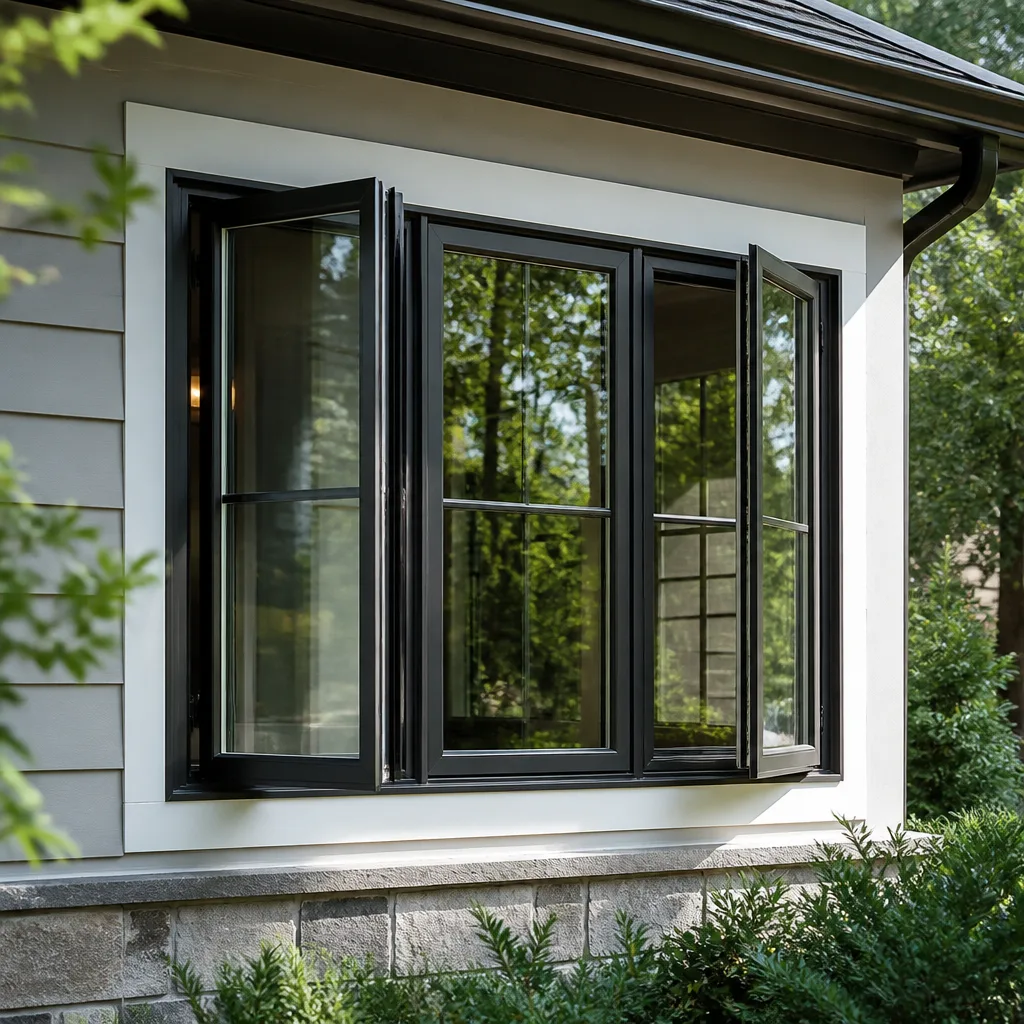
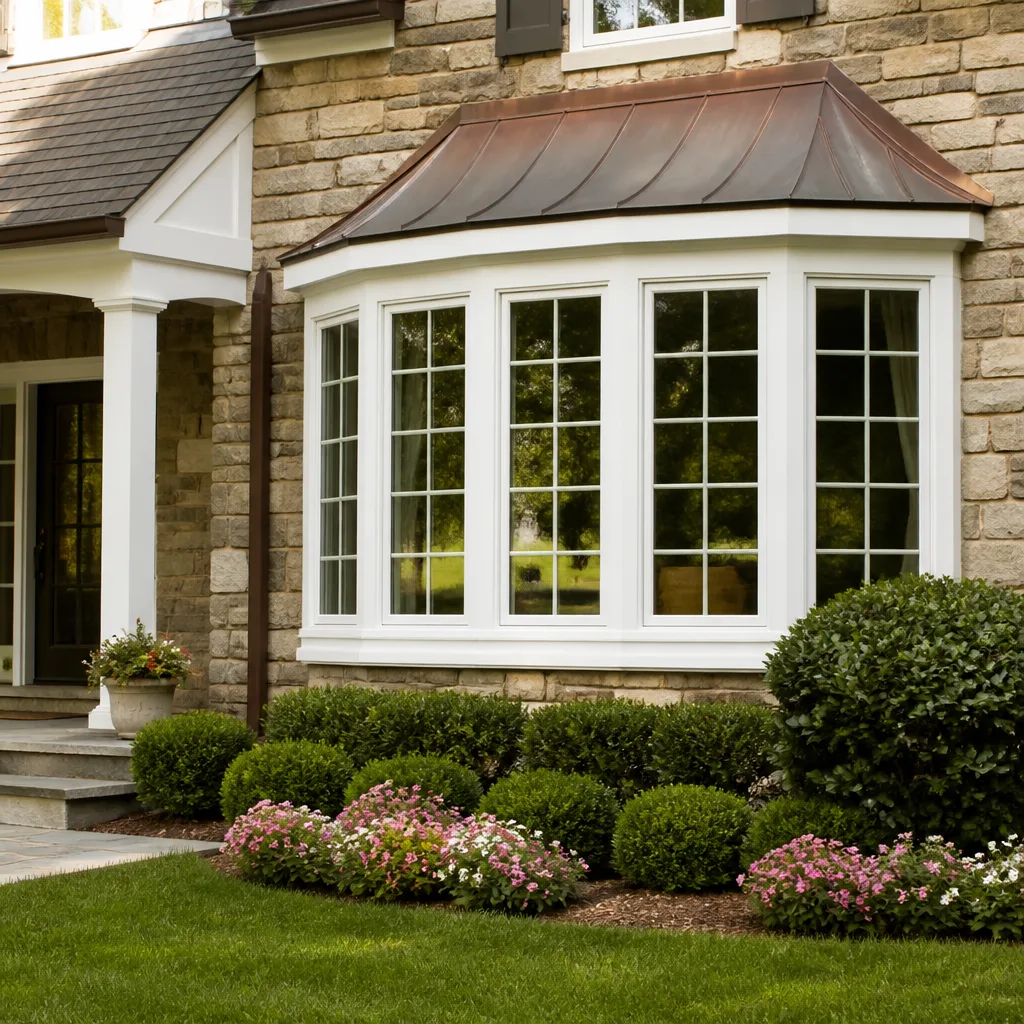
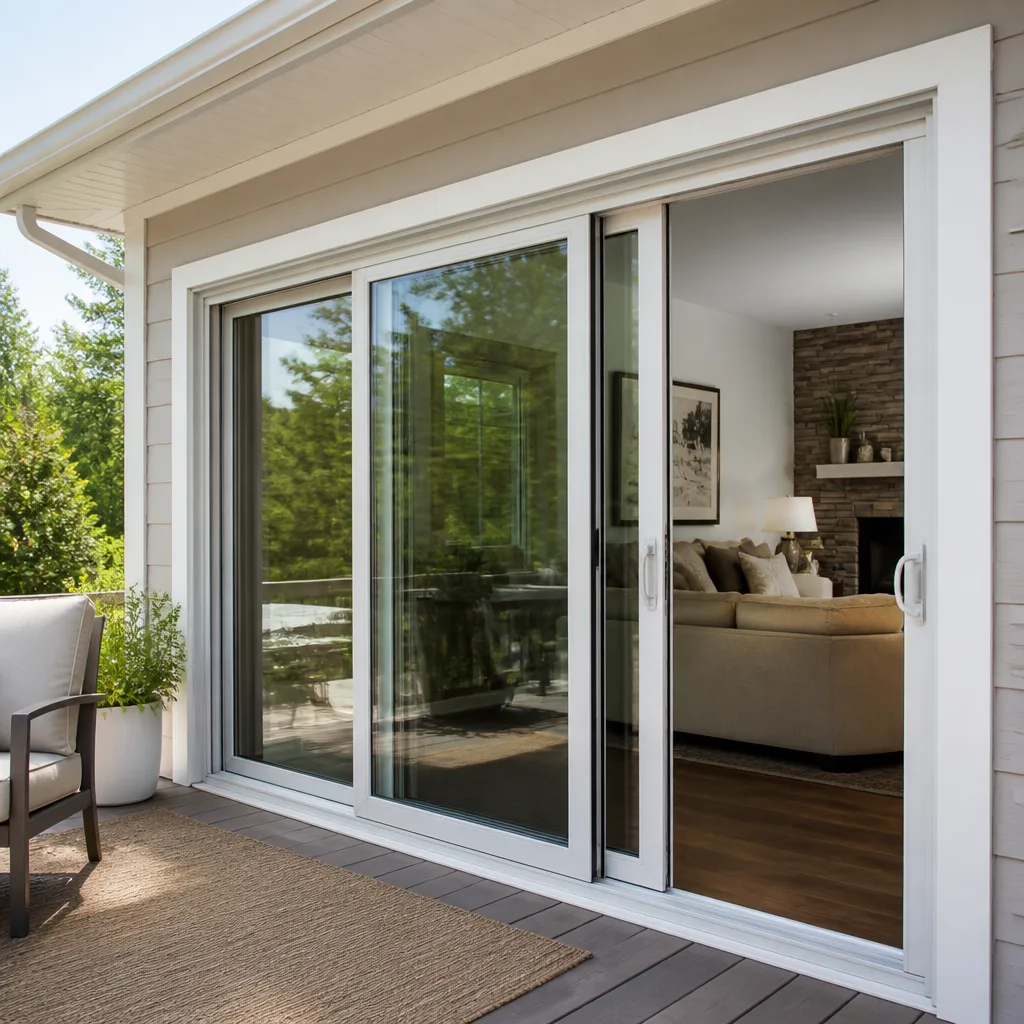

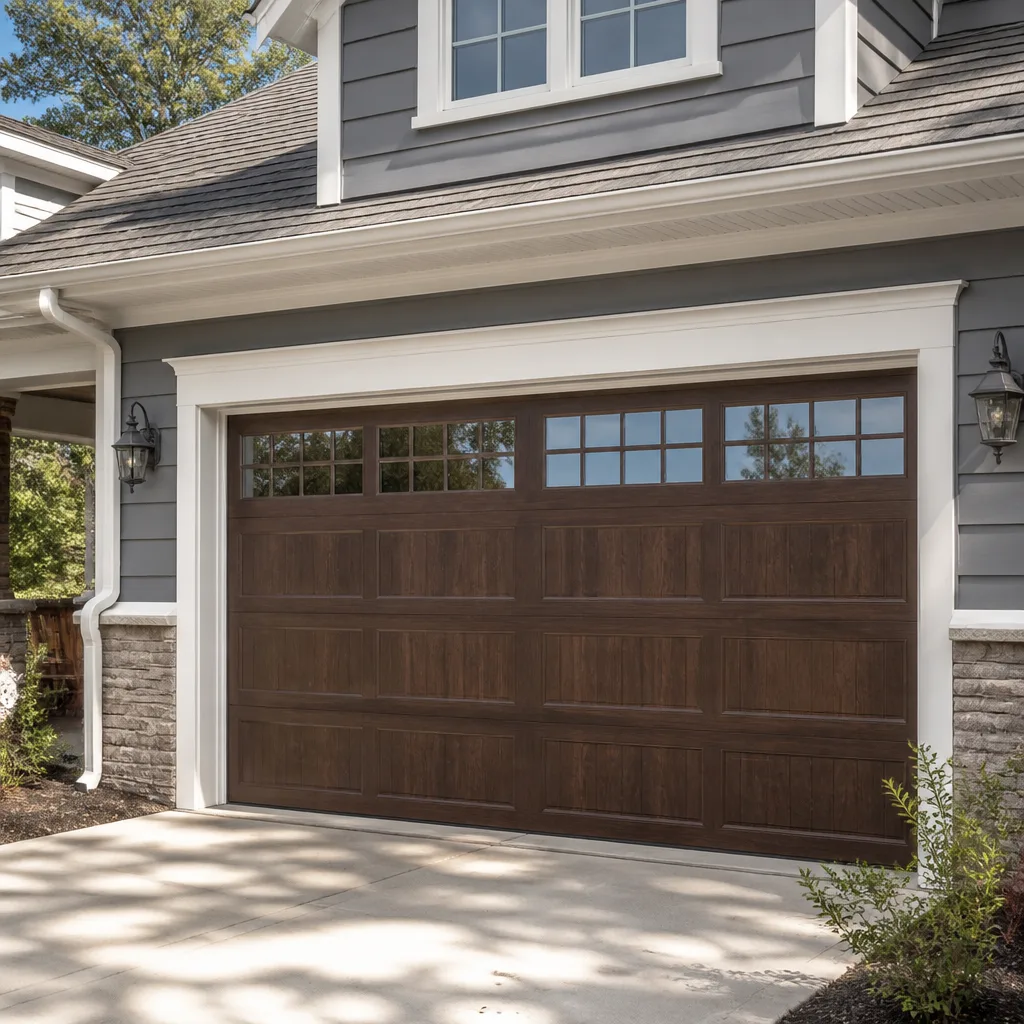
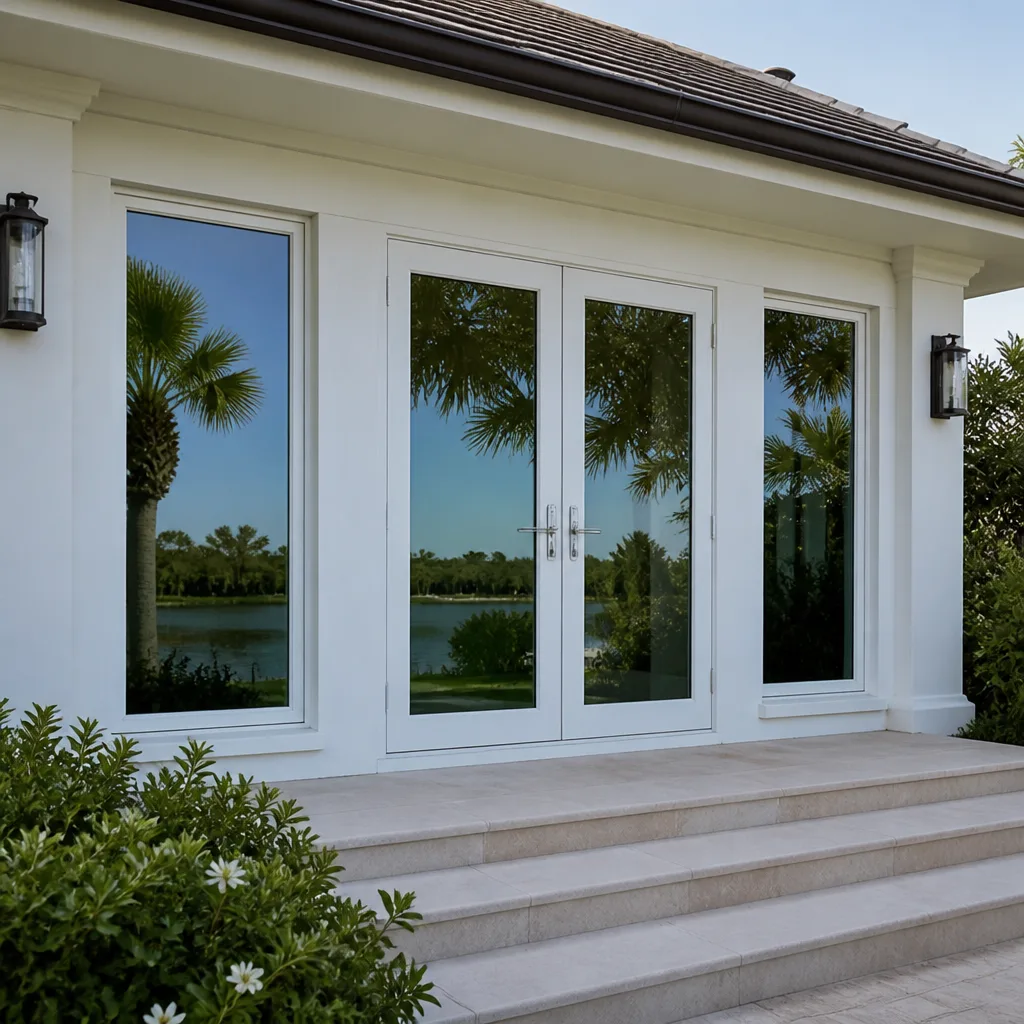
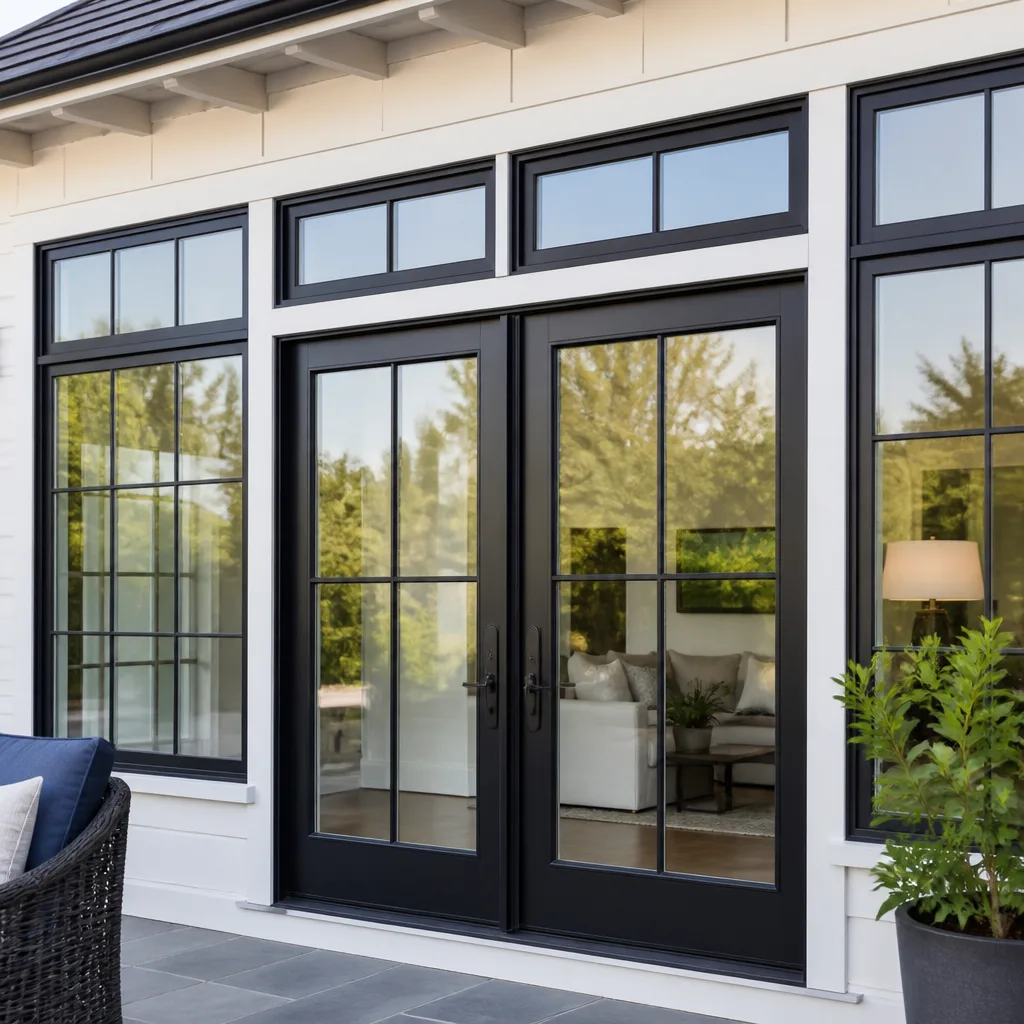
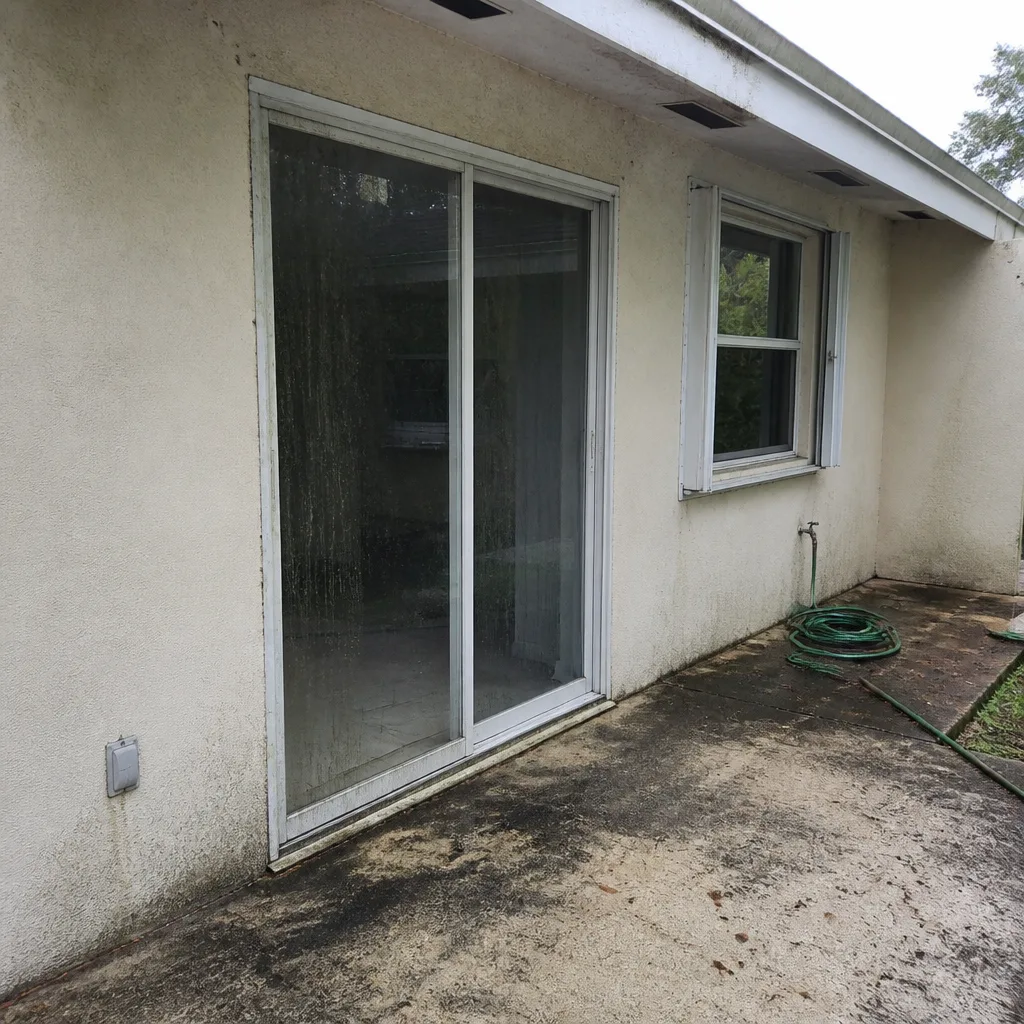 Before
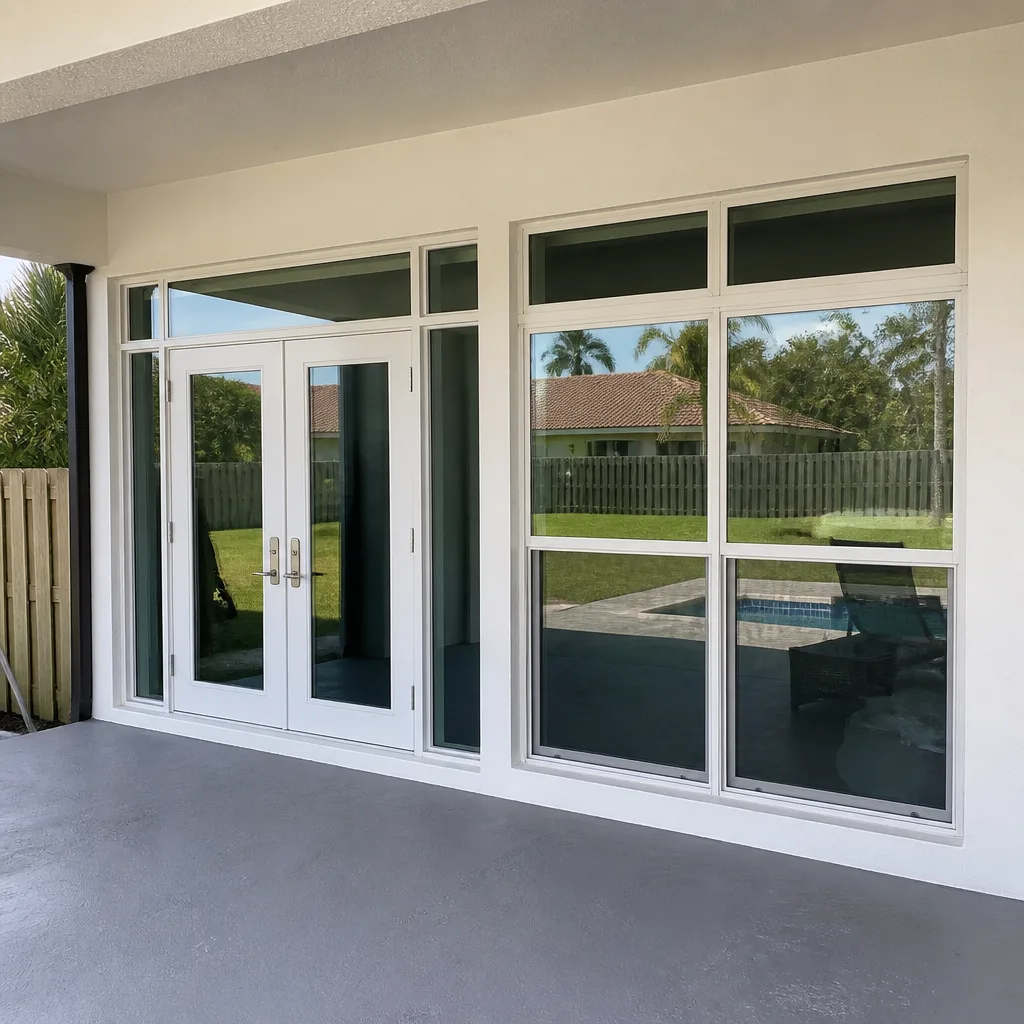 After
After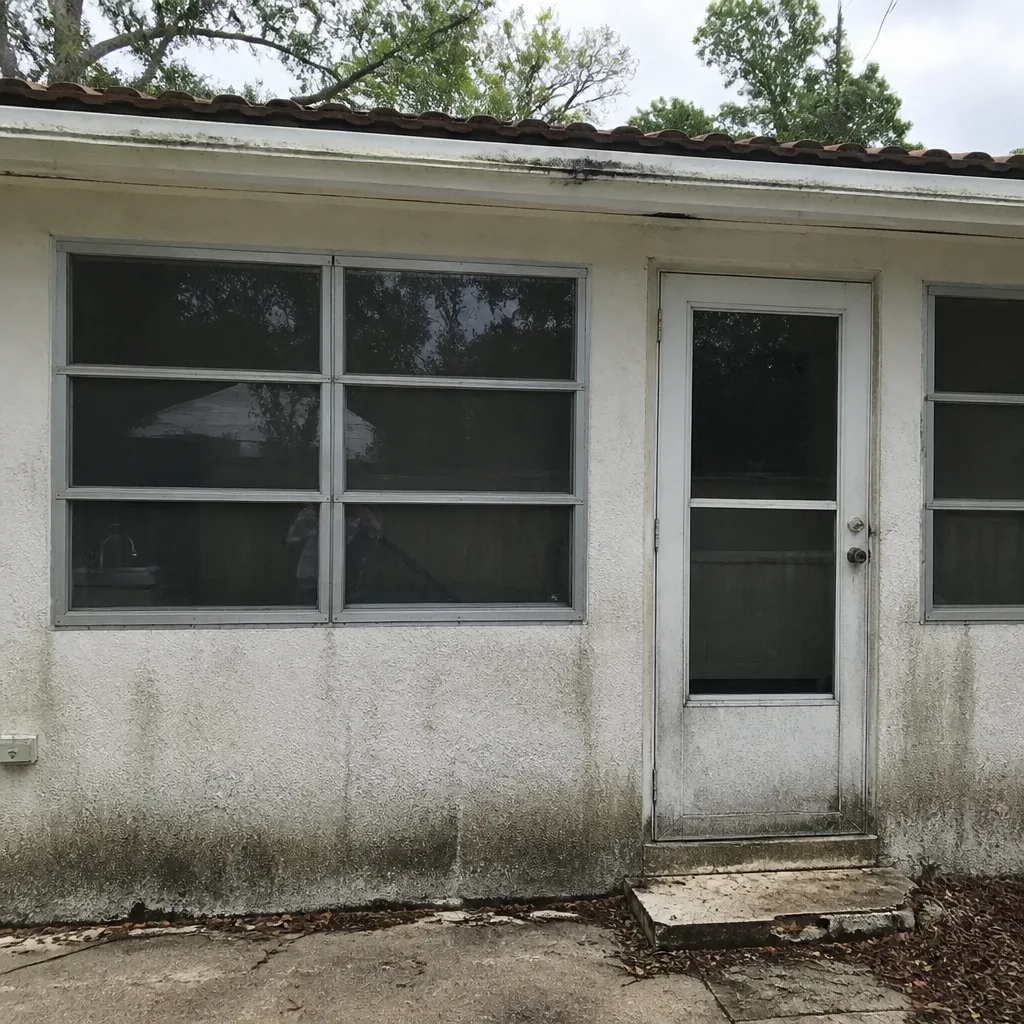 Before
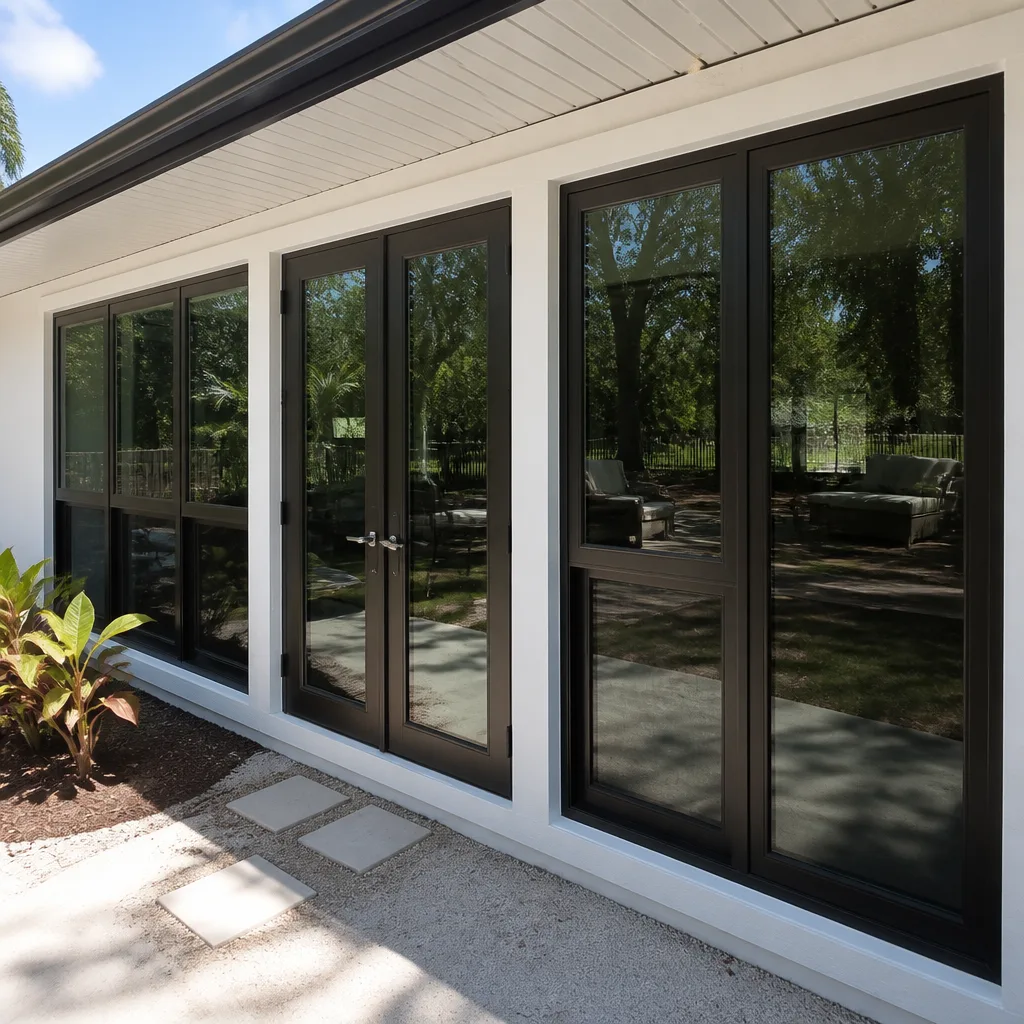 After
After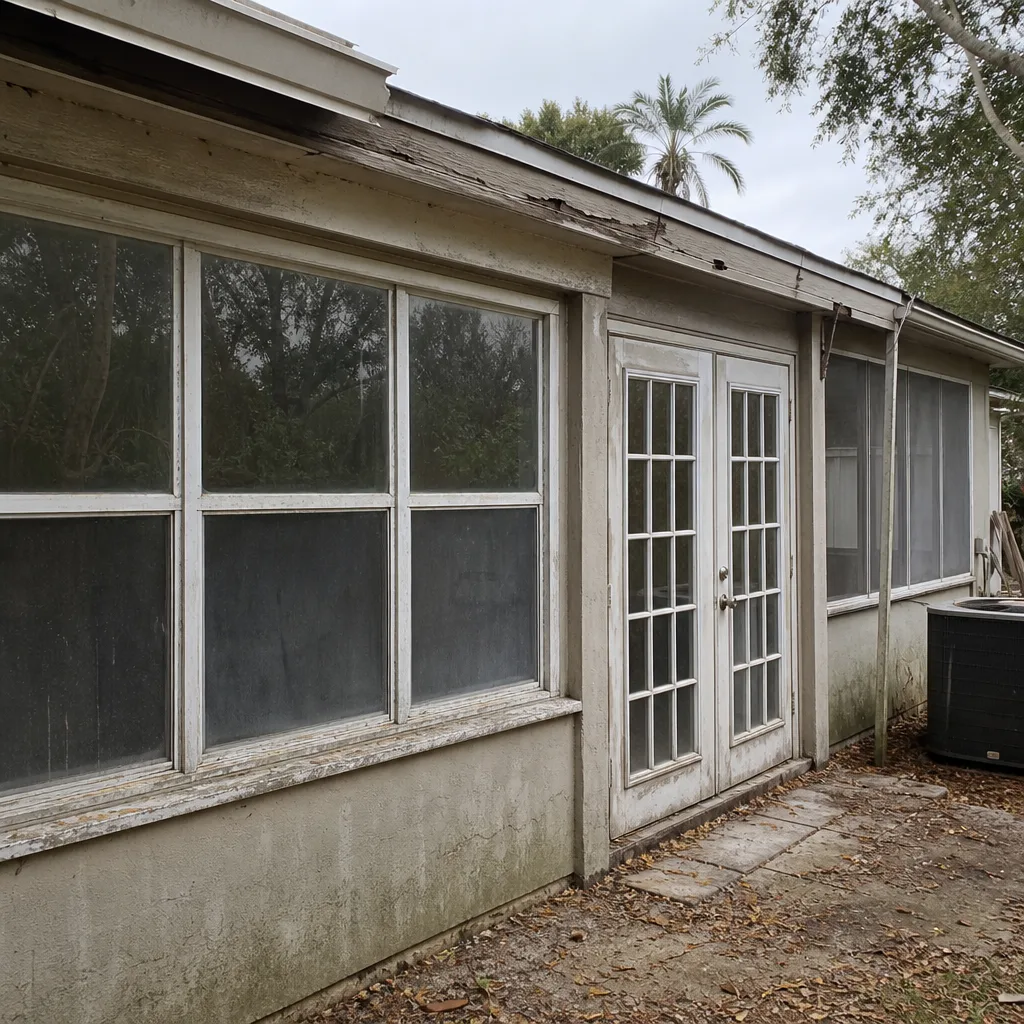 Before
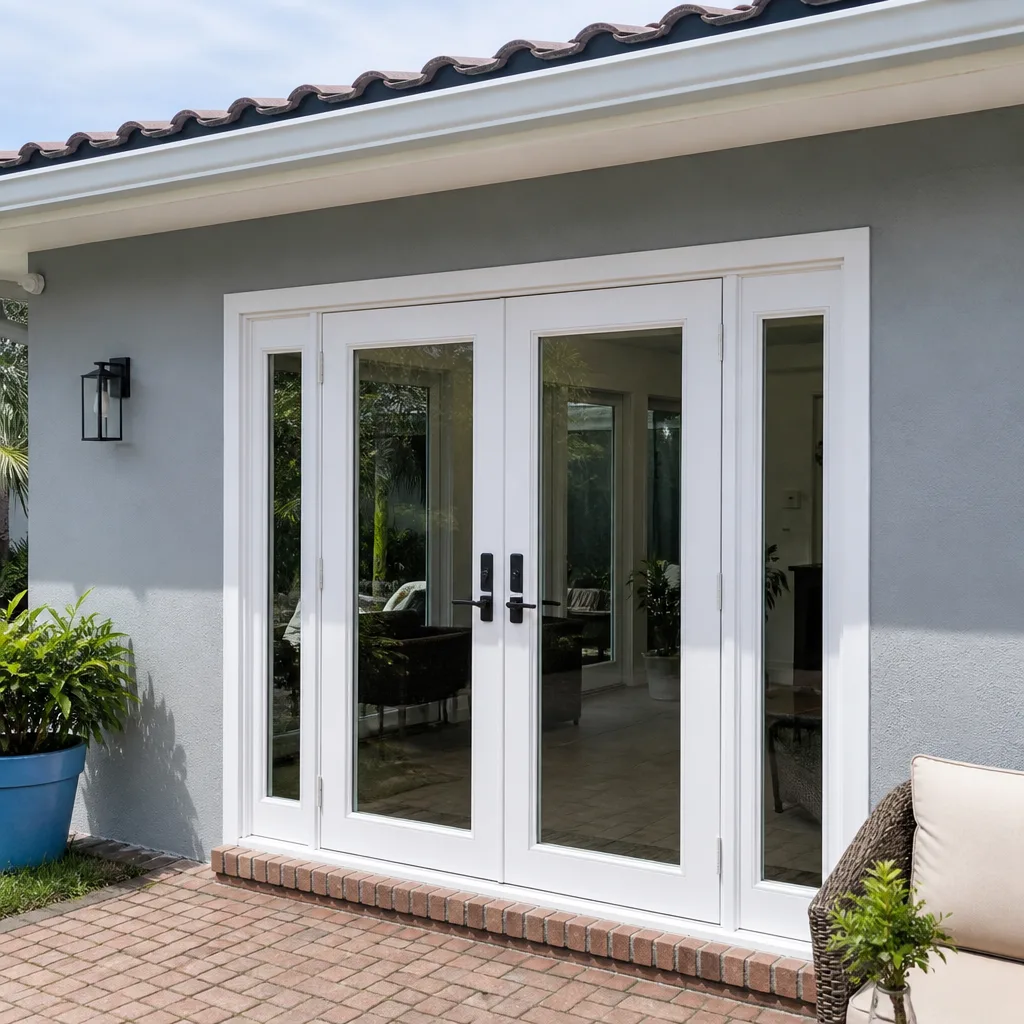 After
AfterSeasonal Windows & Doors Care for Fountainebleau: Year-Round Homeowner’s Guide
Most window and door maintenance guides assume a home somewhere in the Midwest, where you winterize in October and caulk in the spring. Fountainebleau doesn’t work that way. Our calendar has two real seasons: a six-month stretch of heat, humidity, and hurricane threats, followed by a drier period when salt, sun, and the slow creep of frame corrosion do their quiet work. If you follow a generic seasonal checklist here, you’ll be sealing your windows in the wrong month and checking weatherstripping after it’s already failed. This guide rebuilds the care calendar from scratch around the actual climate of Fountainebleau, month by month, so your windows and doors last longer and the people behind them stay safer. For more guides & resources, explore our full library.
Quick Answer
Seasonal window and door care in Fountainebleau means preparing every opening for hurricane season before mid-April, checking seals and weep paths after every named storm, treating hardware for salt air during the dry fall months, and verifying impact door compression seals during the peak of summer heat. A homeowner who follows this two-season rhythm will catch most failures before they become leaks, frame corrosion, or expensive hardware replacements.
Table of Contents
- Why Fountainebleau Has Two Seasons, Not Four
- April Pre-Season Prep: The Deadline That Actually Matters
- Summer Maintenance: Heat, Thunderstorms, and the Seal Problem Nobody Checks
- Post-Storm Inspection: What to Check After a Named Storm Passes
- November Through March: Salt Air, Dry Winds, and Hardware Care
- Building an Annual Record That Satisfies Warranties and Insurance
- Common Mistakes to Avoid
- When to Call a Professional
- Frequently Asked Questions
- The Bottom Line
Why Fountainebleau Has Two Seasons, Not Four
The National Weather Service defines South Florida’s climate with two distinct periods: a wet season running from roughly mid-May through mid-October, and a dry season covering the remaining months. For Fountainebleau homeowners, that split drives everything about window and door care. The wet season brings afternoon thunderstorms, sustained heat above 88 degrees, humidity in the 75 to 85 percent range, and the peak of Atlantic hurricane activity. The dry season brings lower humidity, cooler nights, and steady easterly-to-westerly wind shifts that carry airborne salt from the Atlantic, which sits just a few miles east of Fountainebleau’s residential streets.
Here’s the problem with generic four-season guides: they tell you to check weatherstripping in the fall, after summer heat has already compressed and degraded it. They tell you to lubricate hardware in the spring, which in South Florida means doing it right as the hottest months begin, when expanded aluminum frames make adjustments difficult. They ignore hurricane prep entirely or treat it as an optional add-on. In Fountainebleau, hurricane readiness is the core of the calendar, and every other task hangs off it.
We’ve been working on windows and doors in this climate since 2011, and the pattern is consistent: homes that get checked twice a year, at the right times, rarely need emergency repairs. Homes that wait until a problem appears usually need a full window replacement in Fountainebleau rather than a simple fix. Timing matters as much as the task itself.
April Pre-Season Prep: The Deadline That Actually Matters
June 1st is the official start of hurricane season, but in Fountainebleau, the prep deadline is April 15th. By late April and early May, daytime temperatures climb into the upper 80s and low 90s, and aluminum window and door frames begin to expand. When frames expand, hardware that was adjustable in February becomes stubborn in May. A lock that needs realignment, a roller that needs adjustment, a hinge that has shifted slightly: all of these become significantly harder to correct once the heat sets in. If you wait until a hurricane is in the cone, you’re working against the materials, not with them.
Here’s the April checklist, in the order we recommend:
- Test every lock and latch. Open and close every window and door. If a lock binds, sticks, or doesn’t fully engage, schedule the adjustment now, before frame expansion makes it worse.
- Inspect weatherstripping and compression seals. Run your finger along the seal. If it’s flattened, brittle, or has gaps, moisture has an entry path during the first heavy storm.
- Clear every weep path. Weep holes at the bottom of window and door frames drain rainwater outward. If they’re clogged with dirt or debris, water backs up and corrodes the frame from inside. A can of compressed air or a thin brush clears them in minutes.
- Check impact glass for scratches and delamination. Impact-rated glass from brands like PGT and CGI can develop edge delamination over time, especially when frames shift. A ten-minute visual check now prevents a failed pane later.
- Clean shutter tracks. Even if you have accordion or roll-down shutters, the tracks collect dust and grit over the dry season. Clean tracks mean smooth deployment when a storm approaches.
- Lubricate hardware with a dry silicone spray. Avoid oil-based products; they attract dust and gum up in humidity.
This is also the right time to schedule any repair work. At Winslow Windows & Doors, we offer a free second opinion on any written estimate, and a $40 discount on any repair over $200. Getting the work done by mid-April means your home is storm-ready before the first June system forms. For homes with older windows that have reached the end of their useful life, this is the month to look at window installation in Fountainebleau and get new impact-rated units in before the season peaks.
Summer Maintenance: Heat, Thunderstorms, and the Seal Problem Nobody Checks
July and August in Fountainebleau are brutal on window and door seals. The afternoon heat pushes surface temperatures on east- and west-facing frames well above 100 degrees. Rubber and foam compression seals soften, and under repeated thermal cycling they can lose their shape. A seal that looked fine in April may be compressed flat by late July. When that happens, the seal no longer presses against the closed door or window, and during an afternoon thunderstorm, wind-driven rain works its way through the gap.
The task most homeowners skip is a simple one: close the door or window, then run your hand along the inside edge. You should feel uniform resistance from the seal. If there’s a spot where you feel nothing, or where you can slide a thin piece of paper through freely, the seal has compressed past usefulness. Replacement weatherstripping is inexpensive, and installing new compression seals on an impact door takes a technician less than an hour. What’s expensive is the water damage that follows a summer of unnoticed leaks: swollen frames, stained drywall, and corrosion that slowly eats aluminum from the inside.
Summer is also when we see the highest number of callbacks for doors that have shifted. Wood and composite doors expand in high humidity, and what closed smoothly in winter now scrapes against the threshold. This isn’t a defect; it’s normal behavior for doors in South Florida. The fix is usually a simple adjustment to the hinges or threshold, but if you ignore it, the door will eventually damage its own frame or strip its own weatherstripping.
A Two-Minute Summer Door Test
- Close the door and lock it. Stand outside and look for visible light around the edges. Any gap is a water path.
- While outside, run your hand along the bottom sweep. It should touch the threshold evenly, with no visible daylight.
- Open and close the door slowly. Listen for scraping. Feel for resistance that wasn’t there in the spring.
- Check the strike plate screws. Loose screws let the door drop slightly, which throws off the alignment of the entire unit.
Post-Storm Inspection: What to Check After a Named Storm Passes
After a hurricane or strong tropical storm passes over Fountainebleau, the instinct is to check for obvious damage: cracked glass, torn-off shutters, water on the floor. Those checks matter, but the more consequential damage is often invisible. Debris driven by wind gets blown into weep paths, screen tracks, and the gaps around door thresholds. You won’t see it from inside, and it won’t cause a problem immediately. But over the following months, clogged weep paths trap rainwater inside the frame, and trapped water accelerates aluminum corrosion. A window that survived the storm can fail silently six months later, and the homeowner never understands why.
Here’s the post-storm inspection sequence we follow after working through dozens of Fountainebleau homes following hurricane events:
- Check every weep hole first. Use a thin wire or toothpick to clear each one. If you hear water sloshing inside the frame, the path is clogged and needs immediate attention.
- Inspect screens and screen tracks. Torn screens are obvious, but deformed tracks are worse. A bent track keeps the screen from seating, and insects find their way in even when the window is closed.
- Open and close every moving panel. Storm-force winds flex frames. A window that operated smoothly before the storm may bind afterward. If it’s hard to move, don’t force it; schedule an adjustment.
- Examine corner joints on every frame. Look for white oxidation or hairline stress cracks where two frame members meet. Impact-rated frames from PGT or CGI are built to take a hit, but small cracks let water penetrate and worsen quickly.
- Test locks for full engagement. Even slight frame shifts can prevent a deadbolt or locking cam from seating fully. A lock that only half-engages leaves a door vulnerable to forced entry and reduces the seal integrity.
If you find damage after a storm, document it with photos immediately. Insurance claims move faster with photographic evidence, and manufacturer warranties require records of the damage and the date it was discovered. We always recommend getting a professional inspection after any storm that brings sustained winds above 60 mph to Fountainebleau. A trained eye catches what a quick homeowner walkthrough misses.
November Through March: Salt Air, Dry Winds, and Hardware Care
Fountainebleau sits roughly eight miles west of the Atlantic coast. That distance matters. Homes on the barrier islands get the full brunt of salt spray, while Fountainebleau’s exposure is more subtle: airborne salt carried on the prevailing easterly breezes, especially in the late fall and winter when the humidity drops and the wind shifts. The salt load is lower than on the beach, but over a ten or fifteen year period, it still corrodes hardware on east-facing openings. We see the pattern consistently in Fountainebleau: east-facing door hinges and window locks show more corrosion than north- or south-facing units in the same house.
The dry season is the right time to treat that hardware. Cooler temperatures mean frames are contracted, hardware is accessible, and lubricants don’t evaporate as quickly. A simple routine works well:
- Wipe hardware with a dry cloth to remove built-up salt residue. A damp cloth is fine if you dry immediately afterward.
- Apply a thin coat of dry silicone lubricant to hinges, rollers, tracks, and locking mechanisms. Wipe away excess.
- Check and tighten all visible screws on hinges, strike plates, and handles. Thermal cycling loosens fasteners over time.
- Inspect door sweeps and thresholds for signs of salt etching. Aluminum thresholds develop a white, powdery oxidation that roughens the surface and eventually compromises the seal.
This is also the season for a more thorough visual inspection. With lower humidity, you can see things that were hidden during the wet season: hairline cracks in caulk, faded finish on wood-clad windows, condensation patterns between double-pane glass that indicate a failed seal. Dry-season air makes condensation fog inside an insulated glass unit much more visible, since the outdoor temperature drops low enough to create a temperature differential across the pane. If you notice fogging that won’t wipe away from either side, the glass unit has lost its seal and needs replacement.
Building an Annual Record That Satisfies Warranties and Insurance
Manufacturer warranties on windows and doors typically require what they call “normal maintenance”: cleaning, lubrication, and periodic inspection. If you ever file a warranty claim for a failed seal or a hardware defect, the manufacturer will ask for evidence that the unit was maintained. Insurance companies ask similar questions after a storm: when was the last inspection? What condition was the opening in before the event?
The solution isn’t complicated. It’s a single sheet of paper, updated twice a year, that documents what you checked and what you found. Here’s how to structure it:
- Date of inspection. Record both the April and November checks.
- Openings inspected. List them by location: front entry, sliding glass door, bedroom windows, and so on.
- Condition notes. One line per opening: “weatherstripping intact,” “lock is stiff, lubricated,” “weep hole cleared.”
- Actions taken. Include lubrication, adjustments, replacements, and who performed the work.
- Photos. Take two or three photos of the exterior openings each time. Date-stamp them with your phone.
This log serves two purposes at once. For a manufacturer warranty claim, it demonstrates that the units were maintained according to spec. For an insurance inspection, it establishes a baseline of condition over time. If a storm damages a window that was documented as sound in April, the claim is straightforward. If there’s no record at all, the process gets harder. A simple notebook or a folder on your phone is all you need.
Common Mistakes to Avoid
- Treating June 1st as the prep deadline. By early June, Fountainebleau heat has already expanded frames and made hardware adjustments difficult. Mid-April is the real deadline for smooth, effective work.
- Never clearing weep holes. Debris from winds, lawn care, and insects clogs weep paths constantly. If water can’t drain, it corrodes the frame from the inside and the failure shows up months or years later as mysterious leaks.
- Using oil-based lubricants on hardware. Oils attract the fine dust carried by dry-season winds, creating a paste that gums up locks and rollers. Dry silicone spray is the right product for every window and door component in Fountainebleau.
- Ignoring a door that scrapes in summer. High humidity swells wood and composite doors, and a scraping door usually just needs an adjustment. Ignored, it evolves into a door that can’t close properly, stripped weatherstripping, and a compromised seal.
- Skipping the post-storm check because nothing leaks. The most common post-storm failure is debris in weep paths, which doesn’t show symptoms until months later. Ten minutes with a thin wire saves hundreds in repairs.
- Assuming salt air is only a beach problem. Fountainebleau sits west of the coast, but easterly winds still carry salt that eats hardware over years. The corrosion is slower, but it arrives just the same, and east-facing openings take the worst of it.
- Replacing windows without upgrading to impact-rated units. In Fountainebleau, any new window or door is a chance to install impact windows in Fountainebleau that protect against storm debris and reduce insurance premiums. Standard glass means carrying plywood outside every time a storm approaches.
When to Call a Professional
Some tasks belong in a professional’s hands. If a window or door frame has shifted enough that the unit no longer squares, forcing it back into alignment without proper shimming and fastener work will make the problem worse. If impact glass shows any sign of delamination or edge damage, the unit needs replacement, not repair. If water appears inside the home after rain, the entry path may not be where the water shows up; professionals trace the source. And if hardware corrosion has progressed to the point where a lock or hinge no longer functions, the repair involves disassembly that homeowners shouldn’t attempt. For any of these in Fountainebleau, Winslow Windows & Doors offers free estimates and a second opinion on any written estimate. Call (727) 620-6983 and a live person answers, any time of day or night.
Ed Winslow founded this company in 2011, and his name is on every job we do. Our technicians are background-checked and arrive in uniform, so you know exactly who is at your door. The Winslow Windows & Doors home page has more about our full range of services. We’ve seen what Fountainebleau weather does to windows and doors over years, and we know how to fix it before it becomes a bigger problem.
Frequently Asked Questions
Twice a year, in April and November. The April inspection is the critical one for hurricane readiness and must happen before heat expansion makes hardware adjustments difficult. The November inspection addresses dry-season salt accumulation and reveals seals that failed during the summer heat. Homes with east-facing openings, double-pane glass, or impact units older than ten years benefit from a third quick visual check in July or August to catch compression seal failures while the weather is still warm. Call (727) 620-6983 if you find anything concerning; estimates are free.
Routine maintenance like weatherstripping replacement runs between $80 and $240 per opening, depending on the seal type and whether the door or window requires realignment. For a detailed look at what drives these numbers, see our Windows & Doors Cost Breakdown: The Fountainebleau Homeowner’s Reference for 2026. Hardware lubrication and weep hole clearing is something many homeowners do themselves for under $20 in supplies. Full hardware replacement on a corroded door, including hinges and a new lock set, typically runs $300 to $550. Winslow Windows & Doors offers a $40 discount on any repair over $200 and free estimates. Call (727) 620-6983 for an exact quote on your specific openings.
Impact-rated glass from brands like PGT and CGI requires less maintenance than standard glass in one sense: it doesn’t shatter easily, so you aren’t dealing with broken panes after storms. But the frames and seals around impact units still need the same maintenance routine: lubrication twice a year, weep hole clearing after debris events, and compression seal inspection in summer. Impact units also need visual edge inspections, because delamination at the glass edge is the most common failure mode and it often starts invisibly small. If you’re unsure whether existing impact windows are still performing, call (727) 620-6983 for a professional assessment.
Many maintenance tasks are homeowner-friendly: cleaning weep holes, applying dry silicone lubricant, checking weatherstripping, tightening screws, and keeping a maintenance log. What’s best left to professionals is anything involving frame alignment, seal replacement that requires removing stops or panels, impact glass inspection, and any repair where corrosion has weakened hardware. If a task requires a pry bar, a torch, or specialty tools, call a contractor. Winslow Windows & Doors provides free second opinions on written estimates, so if another company has quoted you a repair, call (727) 620-6983 and we’ll tell you honestly whether the work and price make sense.
High humidity in Fountainebleau’s wet season causes wood and composite doors to absorb moisture and swell, which makes them scrape against thresholds and stick in their frames. As the dry season lowers humidity, the doors contract and operate smoothly again. This isn’t a sign of a defective door; it’s normal behavior in this climate. The solution is an adjustment to the threshold or hinges, usually completed in under an hour, which keeps the door operating properly through the swelling cycle. Ignoring the problem leads to stripped weatherstripping and eventual damage to the door frame.
Preparation for a specific storm starts with the April checklist having been completed: locks working, seals in good condition, weep paths cleared, shutters or impact glass in serviceable condition. When a storm is approaching, close and lock every window and door, deploy shutters if you have them, clear outdoor furniture and debris that could become projectiles, and photograph the exterior of every opening. If you have impact-rated windows installed by a professional, they do not require boarding up. For help preparing your Fountainebleau home for the next storm, call (727) 620-6983.
The Bottom Line
Windows and doors in Fountainebleau live a harder life than they do in most of the country. Heat, humidity, salt, and hurricanes all work against them, and the difference between a unit that lasts fifteen years and one that fails in eight is almost always maintenance. The rhythm is simple: prep in April before the heat sets in, check seals in July and August, inspect after every named storm, and treat hardware in November when frames are cool and salt residue is visible. Build a simple record, and you’ll have everything you need for warranty claims and insurance documentation. We’re the one down the road. When you need an honest assessment or a free estimate, call (727) 620-6983 and a real person answers.
Written by Ed Winslow, Owner at Winslow Windows & Doors, serving Fountainebleau since 2011.
Six Reasons Homeowners Choose Winslow Windows & Doors
Impact systems engineered to design pressures up to +/-100, matched to your wind zone - your openings hold when the storm arrives.
Low-E insulated impact glass from our manufacturer lines commonly cuts monthly cooling bills 20-30%.
Laminated impact glass shuts out up to 40% of outside noise - traffic, neighbors, weather.
Monitoring services run $30-90 a month. Laminated impact glass resists forced entry around the clock, with no subscription.
Florida homeowners average around 25% savings on the windstorm portion of their policy after protecting every opening - some homes qualify for more.
A full impact package upgrades curb appeal, buyer confidence and appraised value in one project.