
Last updated August 27, 2026
Free in-home measure and quote - PGT, CGI and CWS impact lines compared on your actual openings, style by style

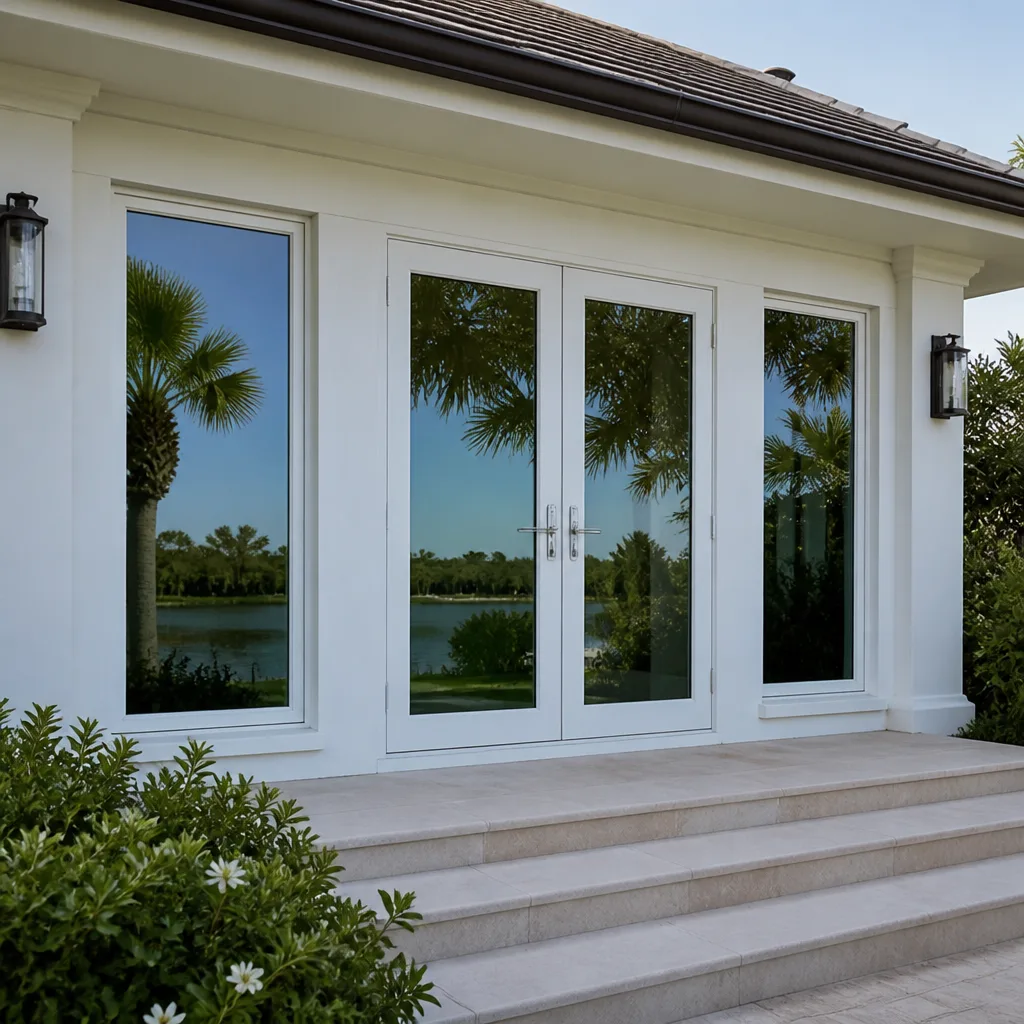
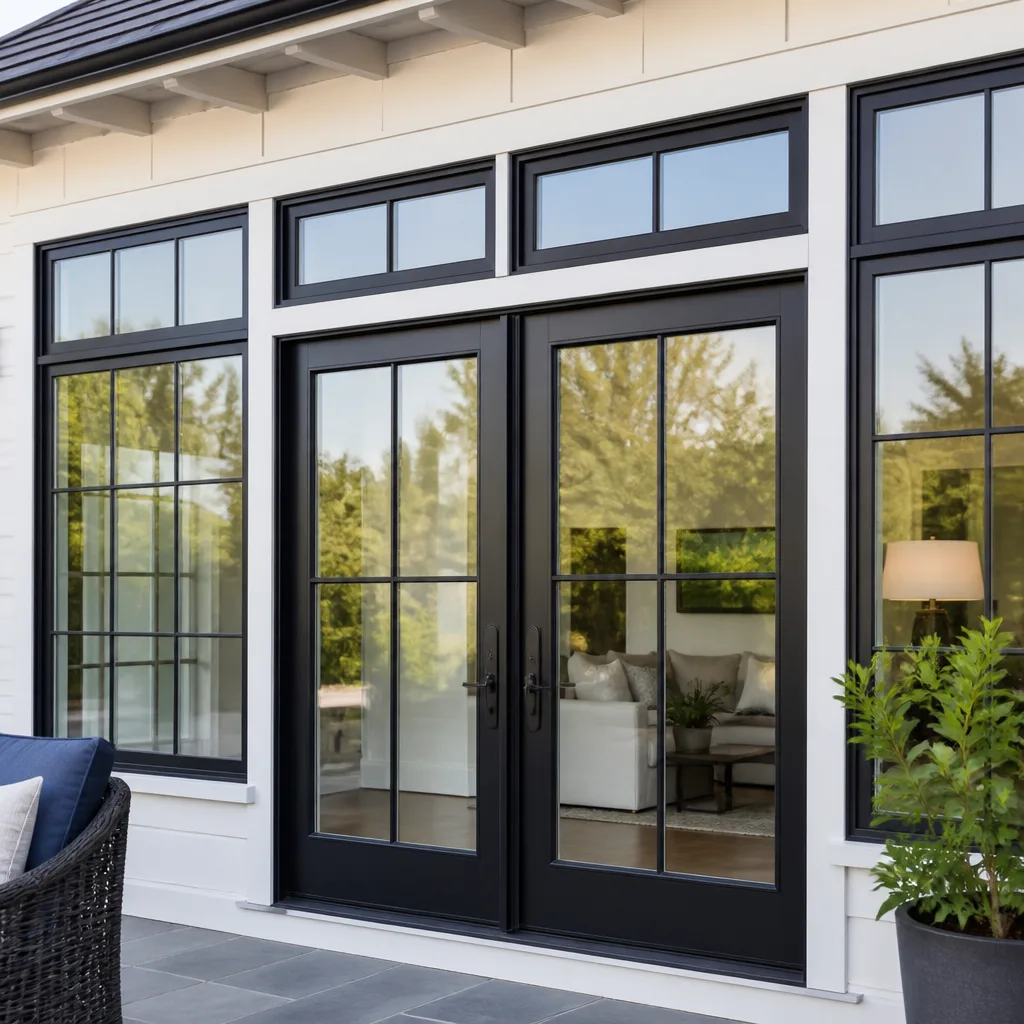
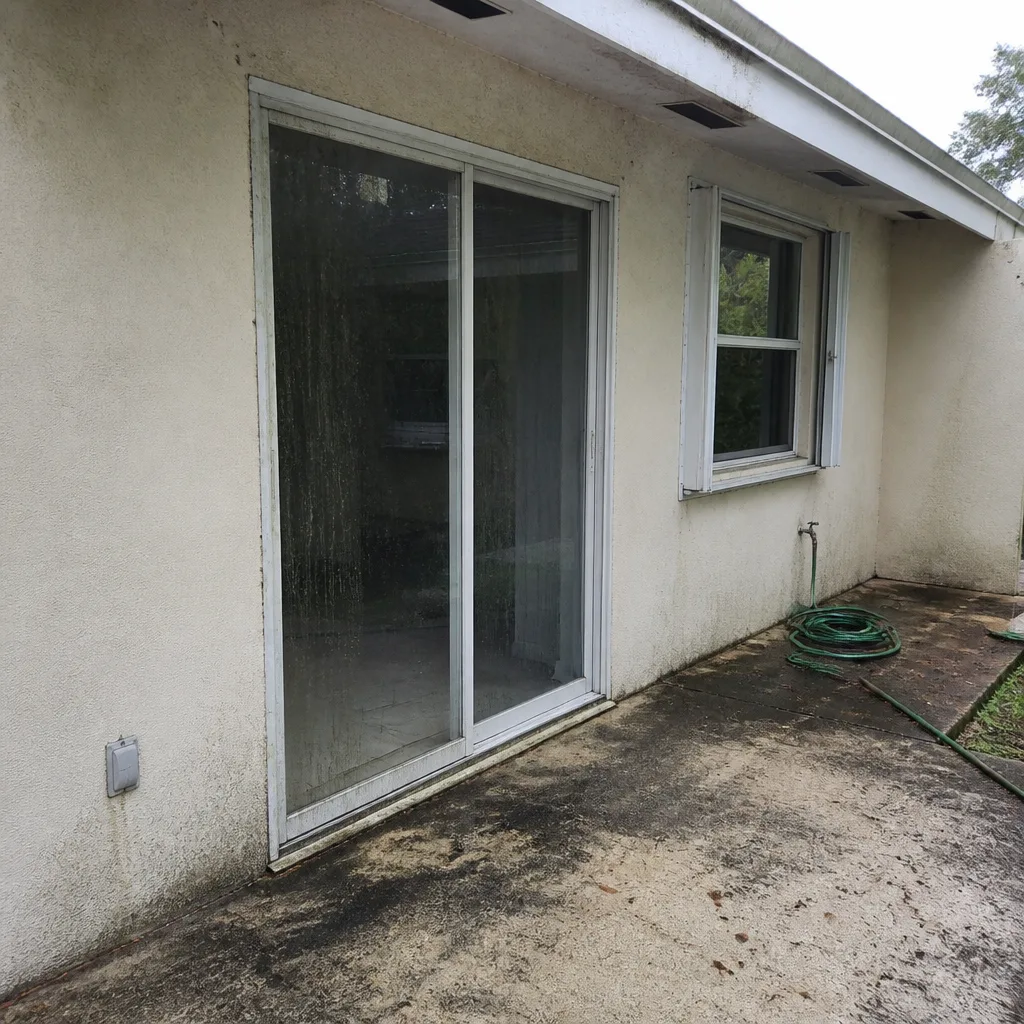 Before
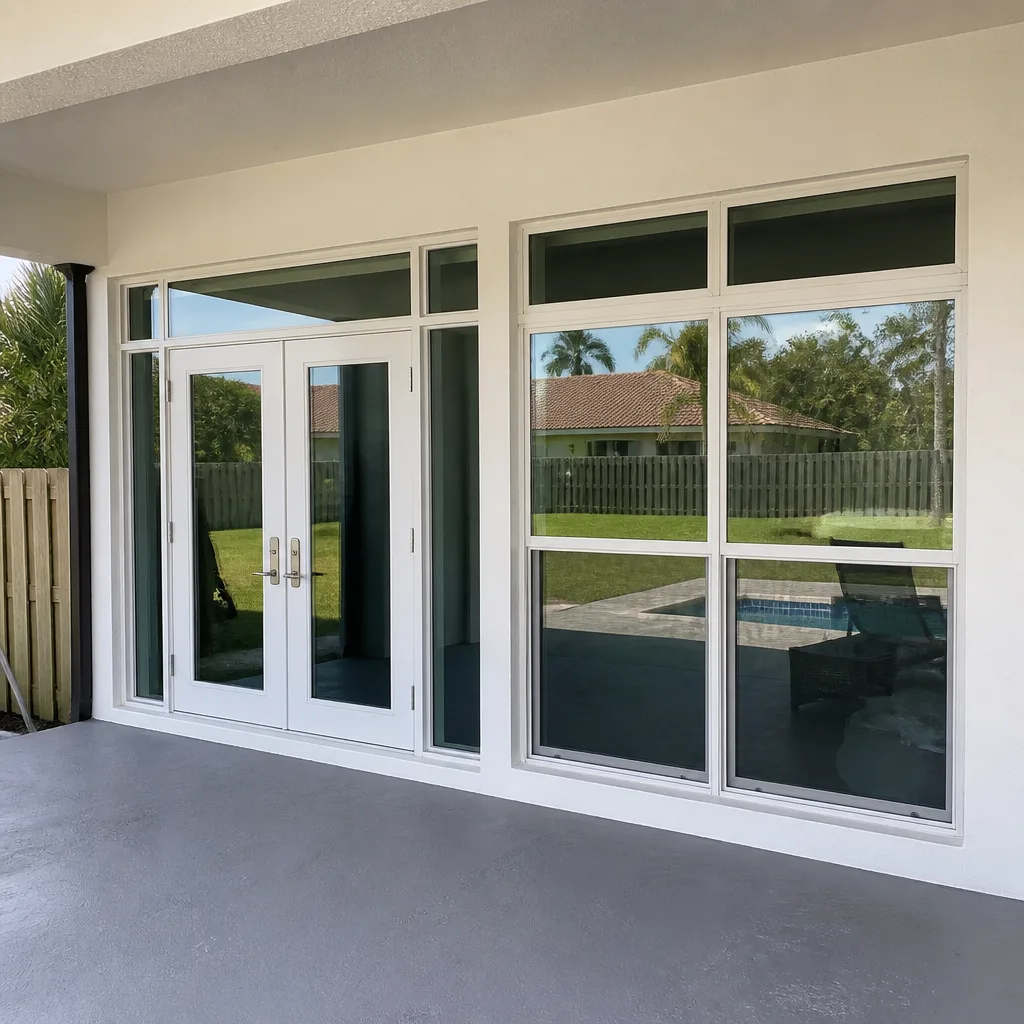 After
After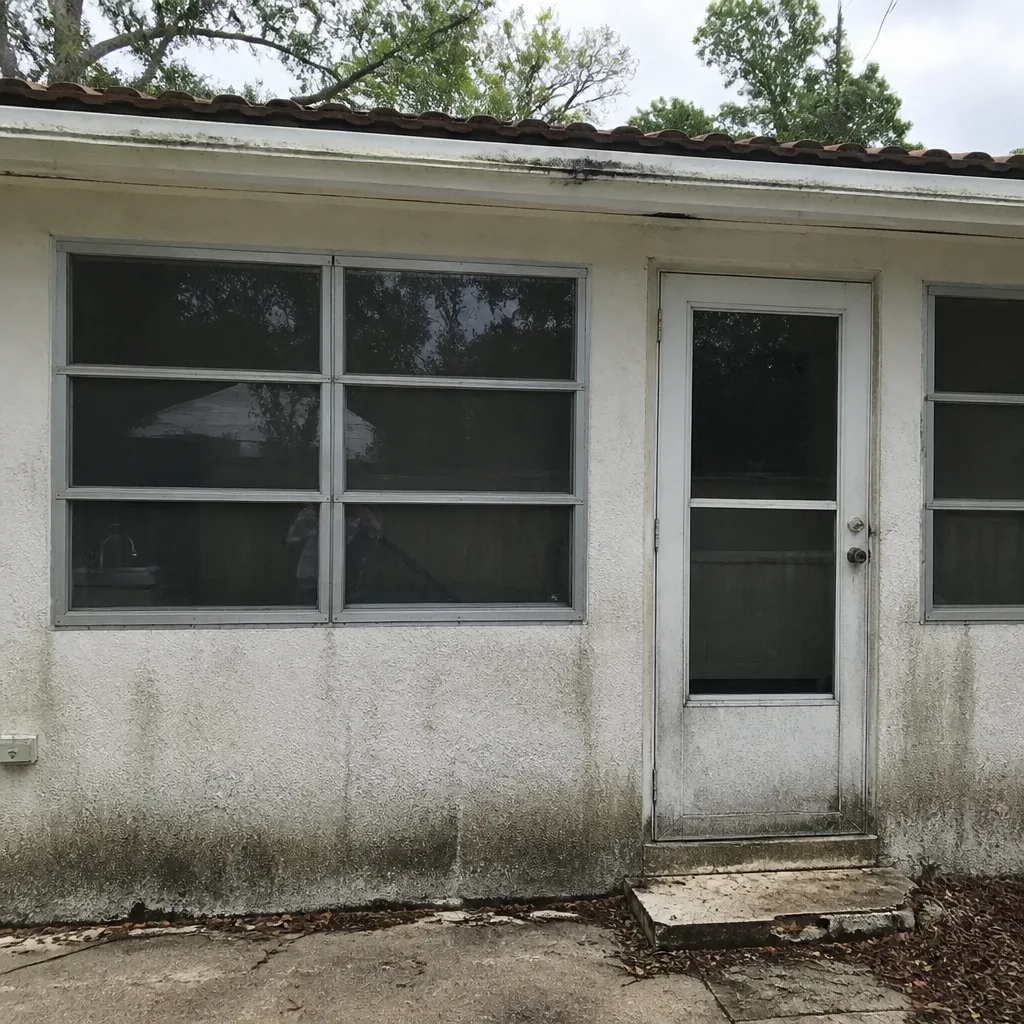 Before
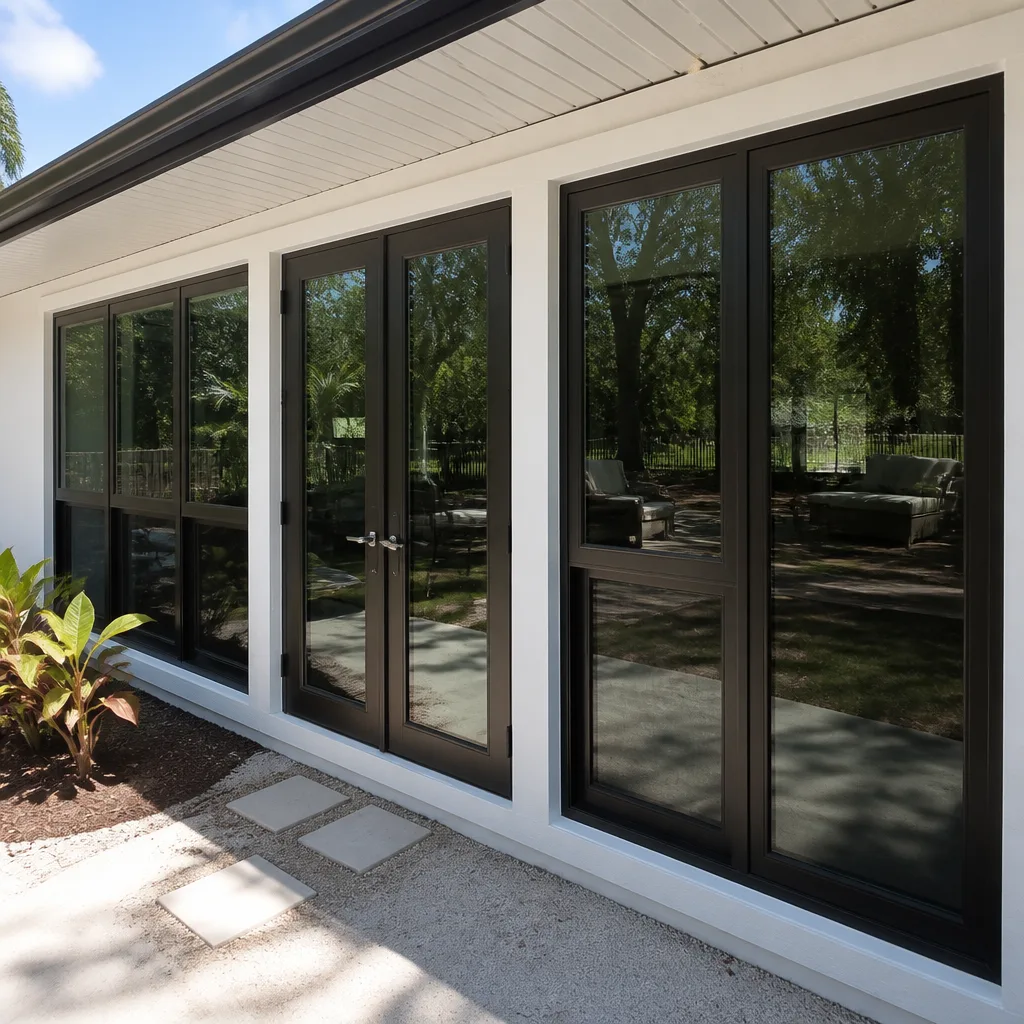 After
After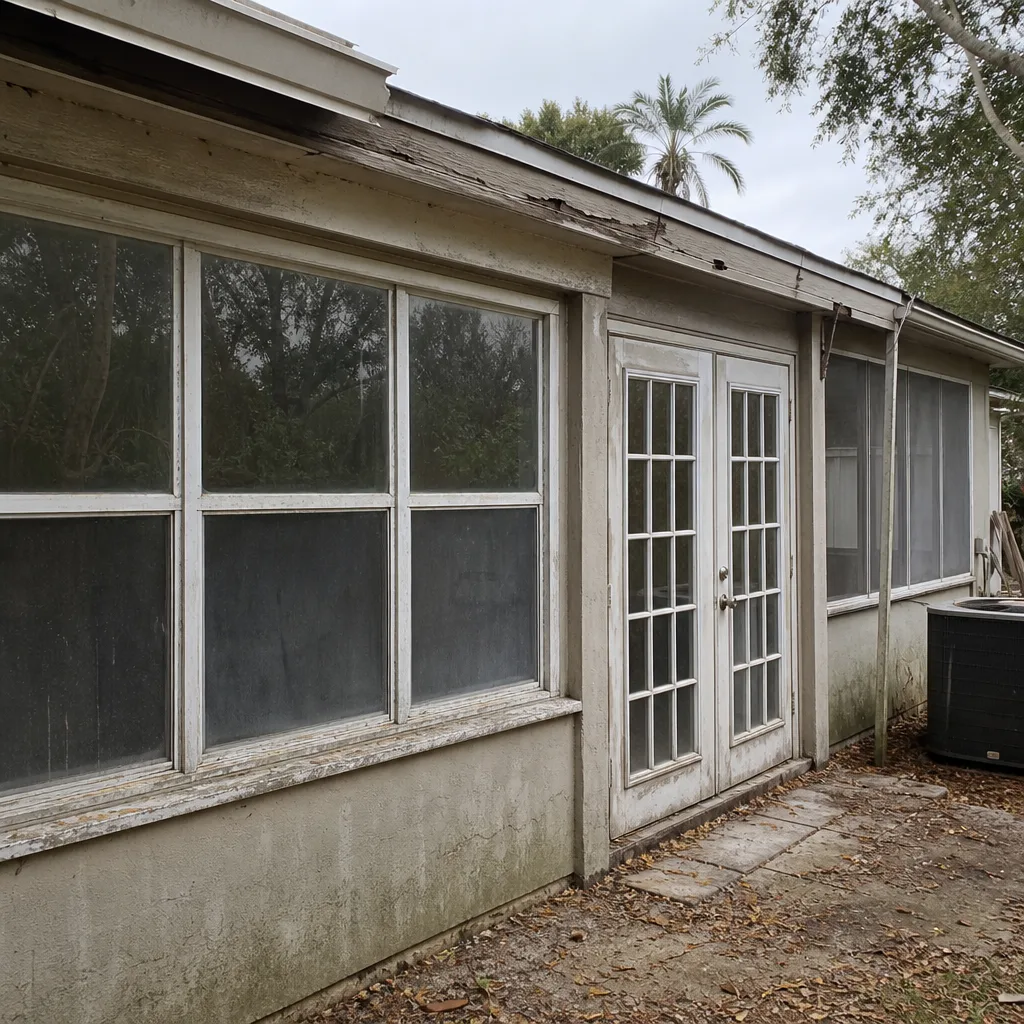 Before
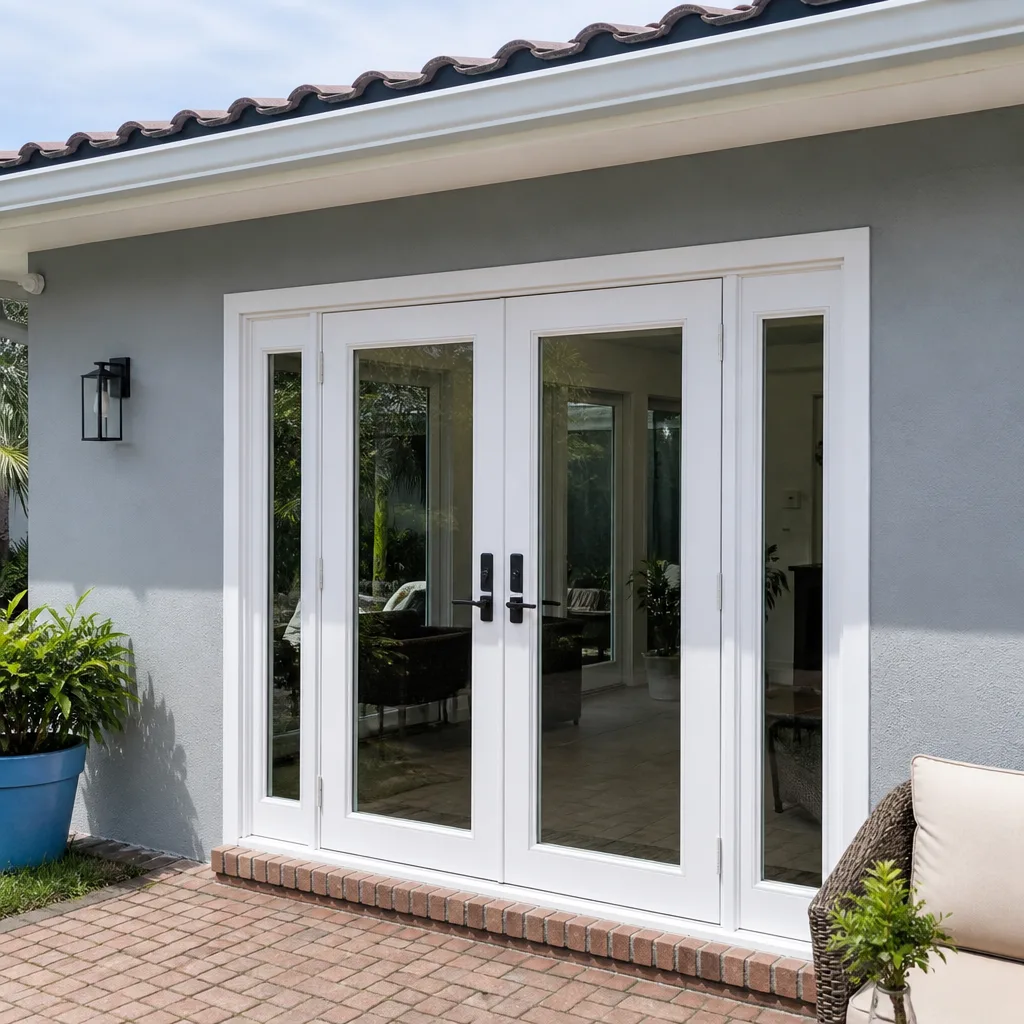 After
AfterWindows & Doors Warning Signs: A Fountainebleau Homeowner’s Reference Guide
A 1/16-inch gap in an impact window’s silicone glazing bead is invisible at a glance but enough to let Category 1 wind pressure breach the glass-to-frame bond. It typically shows up as a faint white haze at the glass edge that most homeowners wipe off without a second thought. Here in Fountainebleau, where salt air, humidity, and storm cycles work on every opening in your home year-round, that haze is not cosmetic. It is the first sentence in a longer story about how your windows and doors fail, and knowing how to read it determines whether you spend hundreds on prevention or thousands on replacement. This guide walks you through the warning signs most people miss until it is too late, with specifics drawn from over 15 years of service work across Fountainebleau and the surrounding neighborhoods. For a deeper dive into all your options, see The Complete Guide to Windows & Doors in Fountainebleau.
Quick Answer
Most window and door failures in Fountainebleau don’t announce themselves with a dramatic crack. They whisper first through condensation patterns, hardware drag, salt-staining on frames, and specific sounds that appear before visible damage. Learning to read these early signals lets you address a $200 repair before it becomes a $2,000 replacement. If you notice condensation between window panes, a door that drags only in summer, white crust on aluminum frames, or a whistle at low wind, call (727) 620-6983 for a free estimate before the problem compounds.
Table of Contents
- The Condensation Location Diagnostic: What It Tells You About the Failure
- Hardware Fatigue on Multi-Point Locking Doors: When a Stubborn Lock Is a Storm Risk
- Salt-Bloom Staining on Aluminum Frames: The Honest Truth About Surface Cleaning vs. Replacement
- The Four Sounds That Mean Something Is Wrong
- Why a Door That “Just Sticks a Little” in Fountainebleau Is Often a Foundation Issue
- The Glass-Edge Haze: Your Earliest Storm Warning
- Frame Caulking and Flashing: The Silent Leak Path
- Common Mistakes to Avoid
- When to Call a Professional
- Frequently Asked Questions
- The Bottom Line
The Condensation Location Diagnostic: What It Tells You About the Failure
Condensation on a Fountainebleau window is not one problem. It is at least three completely different problems, and the location of the moisture tells you exactly which one you have and how urgently you need to act. Treating all condensation as the same issue is how homeowners end up replacing windows that were fine or ignoring windows that were failing. Here is the breakdown we use on service calls across Fountainebleau every week.
Condensation on the inside face of the glass (room side): This is a humidity problem, not a window problem. Fountainebleau’s subtropical climate pushes indoor humidity high for months at a time, and when warm, moisture-laden indoor air hits the cooler surface of your window glass, it condenses. The fix is usually ventilation or dehumidification, not window replacement. In our experience, homes in Fountainebleau with older HVAC systems see this most often in the morning hours and in rooms with poor airflow like bathrooms and kitchens. The window is doing its job. Your indoor air is simply too wet.
Condensation between the panes (inside the glass unit): This is a failed seal, and it is a window problem. Insulated glass units depend on an airtight perimeter seal to keep dry air (or argon gas, in some premium products) trapped between the two panes of glass. When that seal fails, outside air leaks in, carries moisture with it, and you get permanent fogging or beading between the panes that you cannot wipe off from either side. This is the single most common window failure we see in Fountainebleau homes, and the salt air accelerates the seal degradation compared to inland communities. Once the seal is breached, the window has lost its insulating value and its impact rating is compromised. You are not looking at a cleaning job. You are looking at glass replacement or full window replacement.
Condensation on the frame itself (metal or vinyl surfaces): This is thermal bridging, and it tells you the frame is conducting heat or cold more than it should. Aluminum frames without a thermal break are notorious for this, and Fountainebleau has thousands of homes built in the 1970s and 1980s with exactly that style of window. Frame condensation can mean the frame itself is the weak point in your building envelope, and on older windows, it is often the reason behind peeling interior paint and mold growth at the corners. Newer thermally broken frames from brands like PGT address this directly, but the first step is identifying whether the condensation is occasional and weather-dependent or constant and worsening.
How to do the condensation diagnostic yourself
- Early in the morning, walk to each window and find the moisture. Note exactly where it sits: glass surface facing you, between panes, on the frame, or on the sill.
- Try to wipe it. If it wipes off from the inside face of the glass, it is indoor humidity. If it wipes off the frame but not the glass, it is thermal bridging through the frame. If you cannot reach it at all, it is between the panes and your seal has failed.
- Check the corners of the window opening for staining or soft drywall. This tells you whether the condensation has been ongoing long enough to cause secondary damage.
- Repeat the check on a dry, windy day. Intermittent condensation between panes that disappears in dry weather still means a failed seal; the dry air simply absorbs the evidence temporarily.
If the answer points to between-pane moisture or frame condensation on aging aluminum windows, it is worth getting a professional assessment. Window replacement in Fountainebleau is not something to rush into without understanding exactly what is failing, but seal failure rarely reverses itself, and it compounds with every storm season.
Hardware Fatigue on Multi-Point Locking Doors: When a Stubborn Lock Is a Storm Risk
Multi-point locking doors are common in Fountainebleau because they distribute locking force along three or more points of the door edge, creating a tighter seal against wind, rain, and intrusion. But that hardware is mechanical, and like all mechanical systems, it wears. The problem is that hardware fatigue on these doors announces itself subtly, and homeowners often adapt to the symptoms instead of addressing them. You get used to lifting the handle slightly to make the lock slide. You learn which way to lean on the door so the deadbolt catches. That adaptation masks a system that is degrading toward failure, and in a storm, that failure can be the difference between a door that holds and a door that breaches.
Here are the specific symptoms we look for when a Fountainebleau homeowner calls us about a patio or entry door that “doesn’t lock right anymore.”
- Handle drag: The lever or knob requires noticeably more force to lift or depress than it did when the door was installed. This often indicates wear on the gearbox inside the lock body or misalignment putting tension on the connecting rods.
- Incomplete bolt engagement: When the door is closed and you activate the lock, the top or bottom bolts do not fully extend into their strike plates. You may hear a click that sounds normal, but visually check the bolts: if any sit proud of the strike plate or catch on the edge, the system is out of alignment.
- Latch resistance: The main latch does not seat smoothly into the strike plate without pushing or pulling on the door. In Fountainebleau, we see this most often when the door slab has absorbed moisture and swelled slightly, throwing off the relationship between the latch and the strike.
- Binding at one locking point only: If the top bolt binds but the bottom one works smoothly, the door is racked or the frame has shifted. That is not a hardware problem alone; it is a structural problem with a hardware symptom.
- Loose strike plates: The screws holding the strike plates in the frame are backing out, or the plate itself has worn around the bolt openings. This creates a false sense of security because the door closes and locks, but the anchor points are failing.
One thing we tell Fountainebleau homeowners plainly: a multi-point lock that requires force to operate is already compromised. The force you are applying is accelerating the wear on every component. In a high-wind event, the door relies on all locking points engaging fully and simultaneously. If one is binding or not seated, the load distribution changes, and the door flexes in ways it was not designed to. That is when glass panels crack, frames twist, and the door stops being a barrier.
Do not attempt to disassemble or lubricate complex multi-point hardware yourself unless you are confident in the specific mechanism. The tension in these systems, particularly on doors with an overhead closer or spring-loaded hardware, can cause injury. Instead, document the symptoms: which bolts engage, how much force the handle requires, whether the problem is worse in summer humidity or winter dry spells, and bring that information to a professional. Winslow Windows & Doors home service calls in Fountainebleau regularly find that what a homeowner describes as “the lock is getting old” is actually a fixable alignment issue, but only if it is addressed before the hardware fatigues past the point of repair.
Salt-Bloom Staining on Aluminum Frames: The Honest Truth About Surface Cleaning vs. Replacement
White, chalky crust on your window frames is not normal Florida wear. It is salt bloom, also called salt efflorescence, and it is a chemical reaction, not just surface dirt. In Fountainebleau, where the prevailing breeze carries salt air inland from the coast, aluminum window frames are exposed to sodium chloride particles constantly. When salt settles on aluminum, especially on raw or scratched surfaces, it accelerates oxidation. The white powder you see is aluminum oxide mixed with salt deposits, and the critical question is whether the oxidation is superficial or structural.
Here is the honest diagnostic. If the white bloom wipes off with a damp cloth and the metal underneath is smooth and intact, you are looking at surface salt accumulation. Cleaning with a mild detergent and fresh water, followed by a protective wax or sealant appropriate for aluminum, can manage the symptom. But this is maintenance, not repair, and it will recur. You are not fixing the environment; you are cleaning up after it.
If the bloom cannot be wiped clean, if it is crusty and raised, or if it regrows within days, the aluminum extrusion itself is corroding. Salt has penetrated the factory finish, whether that is anodized or painted, and is attacking the metal. Over time, this corrosion creates pitting, and pitting in a window frame is structural. Impact windows depend on the frame to hold the glass under wind load. A pitted, corroded frame loses that capacity silently, and because the damage starts at the edges and corners where moisture lingers, it is easy to overlook until a corner of the frame is visibly eaten away.
We see this most often on Fountainebleau homes with ocean-facing exposures or homes within a few blocks of the water. The salt concentration in the air drops off with distance, but it never goes away entirely in this climate. Homeowners who live farther inland still see salt bloom, just on a longer timeline. Brands matter here. Premium aluminum products from manufacturers like PGT and CWS use multi-stage finishing processes that resist salt penetration far longer than builder-grade frames from the 1980s and 1990s. If your frames are original to a home built before about 2005, the finish is likely compromised somewhere, and the bloom is your only visible warning.
Our honest assessment on service calls is this: if the frame is smooth under the bloom, clean it and monitor it every six months. If the frame is rough, pitted, or has visible metal loss, no cleaner will restore it. You are looking at frame replacement or full window replacement, and waiting only makes the eventual cost higher. If you are not sure which category your frames fall into, a professional inspection takes minutes. We offer free second opinions on written estimates in Fountainebleau, and we would rather tell you to keep cleaning than sell you windows you do not need yet.
The Four Sounds That Mean Something Is Wrong
Windows and doors in Fountainebleau make noise. Some of it is harmless: the tick of thermal expansion on a hot afternoon, the soft creak of a door as it settles. But four specific sounds are diagnostic, and once you know what each one means, you cannot unhear them. Here is what we listen for when a homeowner calls us and says, “It only makes this sound when…”
The pop on temperature change: A sharp popping or snapping sound when the sun hits a window in the morning or when a cold front moves through in winter indicates the frame and glass are expanding or contracting at different rates, and something is binding. In older aluminum windows, this is often the glass moving slightly within a degraded glazing channel. In newer windows, it can indicate an installation error where the frame was set too tightly against the rough opening. The pop itself may not be dangerous, but it tells you the window is under stress, and stress leads to seal failure.
The whistle at low wind: A high-pitched whistle that appears at wind speeds below what should move through a window opening tells you air is passing through a gap somewhere. The pitch changes with wind angle, which helps you locate it. Walk the perimeter of the window or door on a breezy day with a wet hand and feel for the cool gust. The whistle usually comes from failed weatherstripping, a gap where the frame meets the stucco, or a corner joint that has separated. It is not just an annoyance; it is conditioned air leaving your home and pressurized outdoor air entering, which in Fountainebleau means humidity and salt. Every week the whistle persists, the gap is doing double duty as a leak path for water during rain events.
The rattle only in rain: Rattling that appears only when rain hits the window or door tells you water is entering the frame cavity and moving components that should be fixed in place. It is specifically diagnostic of drainage failure. Impact windows and doors are designed with weep holes and internal drainage channels that let water that enters the track escape to the exterior. When those channels clog with salt, sand, or debris, water pools inside the frame, and the next time wind moves through, you hear loose hardware or shifting glass rattling in the water. If you hear this, check your weep holes at the bottom exterior of the frame. If they are blocked, clearing them may resolve the issue. If they are clear and the rattle persists, water is entering somewhere above, and the window’s drainage design is being overwhelmed.
The click on lock engagement: A distinct click when a door lock engages is normal. A click that is unusually loud, metallic, or accompanied by a jolt felt through the handle is not. This sound indicates the lock bolt is striking the edge of the strike plate rather than seating into the opening. The door has shifted slightly, which in Fountainebleau is often moisture-related frame swelling or a hinge that is loosening. Left unaddressed, the bolt will eventually fail to engage at all, or it will destroy the strike plate. We hear this sound on older wood doors during summer humidity cycles, and it is usually fixable with a hinge adjustment or a strike plate repositioning. The cost is minor compared to the security gap it represents today.
Why a Door That “Just Sticks a Little” in Fountainebleau Is Often a Foundation Issue
A door that sticks at the top or drags along the floor is one of the most common complaints we hear in Fountainebleau, and it is also one of the most commonly misdiagnosed. The instinct is to blame the door: the hinges are sagging, the wood has swollen, the slab was installed wrong. Sometimes that is true. But in many Fountainebleau homes, a sticking door is the first observable sign of foundation movement, and every dollar spent planing the top of the door or replacing the hinges is money thrown at the wrong problem.
Here is how to tell the difference before you spend anything.
Seasonal sticking that resolves: If the door sticks only in summer when Fountainebleau’s humidity peaks, and the problem disappears in winter, the door is swelling. Wood doors absorb moisture and expand, and a door that was cut to fit with no clearance in a dry month will bind in a wet one. The fix is honest: the door needs to be removed, trimmed, and rehung with proper seasonal clearance. This is a door problem with a door solution.
Progressive sticking that worsens: If the door has been sticking more and more over a period of months or years, and it is not seasonally reversible, the frame has moved. Florida soils, particularly the sandy and organic soils common in Fountainebleau, shift with groundwater levels. Homes built on slabs experience subtle settlement, and that settlement rotates door frames out of square. The door itself is still straight. The opening is no longer square. Planing the door to fit the distorted opening masks the symptom while the foundation continues to move. If you see cracks in the drywall at the corners of the door opening, along the ceiling line, or in the floor tile near the door, that is confirmatory evidence. The door is simply the messenger.
Sticking at the handle side only: If the door catches specifically on the latch side but clears at the hinge side, the slab has likely warped or the hinges are sagging. This is rarely foundation-related and usually responds to hinge tightening, hinge replacement, or a door replacement if the warp is significant.
Sticking at the top on one side: A door that sticks at the top corner on the latch side while the bottom corner on the same side gaps is racked. The frame has shifted laterally. In Fountainebleau, we see this on homes where the slab has settled unevenly or where the wall framing has moved under roof load. This pattern deserves a professional assessment, and it is one of the reasons we approach door problems as structural investigations first, not hardware replacements.
The honest advice from our team in Fountainebleau is this: before you spend money fixing a sticking door, spend five minutes measuring. Use a level on the top jamb. If the jamb is level, the door is the problem. If the jamb is out of level, the frame is the problem, and the frame is probably telling you about the foundation. Window installation in Fountainebleau faces a similar diagnostic challenge when new windows are set into openings that have drifted out of square, which is why we always check opening geometry before installation rather than after.
The Glass-Edge Haze: Your Earliest Storm Warning
We opened this guide with it, and now we will explain what the faint white haze at the edge of your impact glass actually is and why it matters so much in Fountainebleau specifically. When an impact window or door is built, the laminated glass unit is set into the frame and secured with a structural silicone glazing bead. That bead does two jobs: it holds the glass in place against the frame, and it creates an airtight, water-tight seal between the glass edge and the aluminum or vinyl extrusion. It is a chemical bond, not just a gasket, and it is designed to last the life of the window under normal conditions.
Fountainebleau conditions are not normal. The combination of salt exposure, ultraviolet light, and repeated thermal expansion and contraction works on that silicone bond year after year. Over time, the bond at the very edge of the glass begins to separate microscopically. Moisture enters the hairline gap, and the result is a faint white or milky haze that forms at the perimeter of the glass, just inside the frame. It looks like a smudge or a cleaning streak, and most homeowners wipe it off. But here is the diagnostic: if the haze is on the exterior face of the glass, it is environmental contamination. If the haze is at the edge of the glass where it meets the frame and it recurs after cleaning, the glazing bond is failing.
Why does this matter for storm protection? Because impact-rated glass protects your home by staying bonded to the frame even when the glass itself fractures under wind pressure or impact. The glass can crack, and the laminate holds it together, but only if the glass remains secured in the frame. If the silicone glazing bead has separated, that bond is already broken. The window may look fine, the glass may be unscathed, and the frame may be square, but the assembly is no longer performing as an impact-rated unit. In a hurricane, the wind loads that the window was designed to withstand will find the path of least resistance, and the path is that hairline separation.
In Fountainebleau, where building code requires impact-rated openings for new construction and major remodels, this distinction carries legal and insurance implications as well as physical ones. A window that has lost its glazing bond is no longer compliant with code, and if it fails during a storm, the damage is on you, not the code. We include glazing bead inspection as standard practice when we evaluate any impact windows in Fountainebleau, and we have caught dozens of failures that looked like minor cleaning issues from the curb.
Frame Caulking and Flashing: The Silent Leak Path
The most expensive water damage in Fountainebleau homes often starts in the least visible place: the perimeter caulking where the window or door frame meets the exterior wall. Caulk is a maintenance product with a finite life, and in this climate, that life is shorter than manufacturers advertise. Ultraviolet light breaks down the caulk’s flexibility. Salt air attacks the bond at the edges. The daily thermal swing of the building materials pulls the caulk away from one surface or the other. The result is a hairline gap that water finds, and once water enters behind the frame, it travels.
The symptoms of failed perimeter caulking are subtle. You may notice a faint water stain on the interior drywall at the top corner of a window after heavy rain. You may see peeling paint outside the frame. You may smell mildew in a room with no visible leak. By the time water is visible inside, the path has been open for months, and the framing lumber behind the opening is already saturated. In a wood-framed home, this is how rot begins. In a masonry home, it is how the interior finishes fail and mold takes hold.
Checking your caulking is a twice-yearly job in Fountainebleau, and it takes less than an hour for the average home. Here is the sequence we recommend.
- Walk the perimeter of the house and inspect every window and door top edge, sides, and bottom for gaps, cracks, or peeling in the exterior caulk line. Use a screwdriver or your fingertip to gently press the caulk; if it separates from the surface or crumbles, it has failed.
- Pay special attention to the heads, or tops, of the openings. This is where water collects before it runs down, and a failure here is more consequential than a failure at the sill.
- Check the flashing. On newer installations, metal or tape flashing should overlap the top of the window or door and extend beyond the sides. If the flashing is lifting, corroded, or missing, water has a direct path behind the frame regardless of what the caulk looks like.
- Look at the interior. Water stains on drywall, bubbling paint, soft drywall at the corners, or a musty smell after rain all point to an active leak, even if the exterior looks fine.
- If you find failed caulk, do not just add new caulk over the old. Remove the failed material, clean the joint thoroughly, and re-caulk with a product rated for exterior use in coastal environments. If the flashing is compromised, you need a professional evaluation, because replacing flashing often means removing and reinstalling the window or door.
This is one area where we see a lot of well-intentioned DIY work in Fountainebleau that makes the problem worse, which is why we wrote DIY vs Professional Windows & Doors: The Fountainebleau Homeowner’s Decision Guide. Caulking over a gap without addressing the underlying separation traps moisture inside. One homeowner we worked with in the northern part of Fountainebleau had sealed over his window perimeters three times, each time adding another layer, and by the time we removed the window, the sill framing had rotted past the point where a simple reinstallation was possible. The window was fine. The opening was not.
Common Mistakes to Avoid
- Ignoring condensation between the panes because it comes and goes. Seal failure is not intermittent; the evidence of a failed seal is intermittent. A window that fogs between the panes on humid days and clears on dry days has a failed seal either way. Waiting only increases the chance that the glass unit will eventually crack from moisture-related stress.
- Planing a sticking door without checking the jamb for level. If the frame has moved, removing material from the door masks the symptom and wastes the door. A level check takes seconds and prevents a $200 fix from becoming a $1,500 door replacement.
- Cleaning salt bloom repeatedly instead of assessing the frame. Every cleaning buys you cosmetics, not time. If the aluminum is pitting under the bloom, the corrosion continues regardless of how clean the frame looks. Assess first, clean second.
- Treating a whistling window as an annoyance. The whistle is diagnostic. It tells you the building envelope has a breach, and in Fountainebleau, that breach admits humid air, salt air, and eventually water. The whistle is your cheapest warning. Do not wait for the stain.
- Assuming impact windows never need maintenance. The glass is impact-rated, but the glazing bead, the caulking, and the drainage channels are all active components with wear limits. A ten-year-old impact window needs inspection just like a ten-year-old roof.
- Replacing windows before understanding the failure. Not every Fountainebleau window problem requires replacement. Some issues, like hardware fatigue or interior condensation, respond to repair. Replacing a window that could have been repaired wastes money and creates new installation variables.
- Hiring for price without checking who is actually doing the work. In Fountainebleau, a low bid on window replacement often means subcontracted labor, and subcontracted labor means the person installing the window does not answer for it. Ask who will be on site and who stands behind the work. You have a right to know.
When to Call a Professional
Some warning signs are actionable by a homeowner, and some are not. You can monitor condensation patterns, listen for the four sounds, and check your caulking twice a year. You cannot replace a failed glazing bead, rebuild a corroded aluminum frame, correct a racked door frame, or diagnose foundation movement from a sticking door. Those are professional jobs, and the professional should be someone with local experience in Fountainebleau specifically, not a generic window installer from another market. Our How to Hire a Windows & Doors Contractor in Fountainebleau: A Step-by-Step Guide explains what to look for. The failure patterns here are shaped by salt air, humidity, soil movement, and storm codes that do not apply to Tampa or Orlando in the same way. If you see signs of seal failure, frame corrosion, or structural movement, call a company that works in Fountainebleau and should be willing to give you an honest assessment. Winslow Windows & Doors offers free estimates in Fountainebleau and the surrounding area. Call (727) 620-6983 and a live person will answer, day or night. We will come out, look at the actual failure, and tell you the truth about what needs to be done and what can wait.
Frequently Asked Questions
The most common warning signs we see in Fountainebleau are condensation between window panes, salt-bloom corrosion on aluminum frames, doors that stick progressively rather than seasonally, whistling sounds at low wind, and a faint white haze at the edge of impact glass. Each of these points to a specific underlying problem, and addressing them early keeps repair costs in the hundreds instead of the thousands. Call (727) 620-6983 for a free estimate if you have noticed any of these signs.
Window repair costs in Fountainebleau typically range from $125 for minor hardware adjustments or caulking repair up to $900 or more for glass unit replacement on a standard window, depending on the size, brand, and accessibility. A full window replacement on a Fountainebleau home generally runs from $800 to $2,500 per window for mid-range impact-rated products, with premium brands like PGT on the higher end. These are realistic ranges for this market, and the exact number depends on your specific windows and the condition of the openings. Call (727) 620-6983 for an exact quote and a free estimate.
In most cases, no. Condensation between the panes means the seal on the insulated glass unit has failed, and once the seal is breached, the unit cannot be re-sealed in the field. The honest repair is to replace the glass unit itself, and if the frame is sound, this is often less expensive than a full window replacement. However, on older Fountainebleau windows where the frame is also compromised by salt corrosion, glass-only replacement rarely makes sense, because you are installing new glass into a failing frame. A professional assessment will tell you which situation you have. Call (727) 620-6983 for a free evaluation.
Check the top jamb with a level. If the jamb is level and the door sticks, the door is the problem, usually from seasonal swelling or hinge wear. If the jamb is out of level, the frame has moved, and the source of that movement is often foundation settling in Fountainebleau’s shifting soils. Look for cracking at the corners of the door opening and along the ceiling line as confirmatory evidence. Do not plane the door until you know which failure you are actually fixing.
Yes, it does, and the damage is progressive. Salt particles in the coastal air settle on the aluminum and accelerate the oxidation process, especially where the factory finish is scratched or worn. The first sign is white, chalky bloom on the frame surface, and if the bloom cannot be wiped clean or the metal underneath is pitted, the frame is corroding structurally. This is a common issue in Fountainebleau because of the proximity to the coast and the constant onshore breeze, and it is one of the reasons we recommend an individual assessment rather than a blanket cleaning routine.
No. Winslow works on upfront pricing with no surprises on the invoice. If we find additional damage hidden in the wall or the framing once the work starts, we stop, call you, show you what we found, and price the additional work in writing before touching it. we will never hand you a change order at the end of the job with charges you never approved. That is the standard we have run on every Fountainebleau job since Ed started the company in 2011, and it is what we will do on yours. Call (727) 620-6983 to discuss your project and get a free written estimate.
The Bottom Line
Your windows and doors will tell you when they are failing. The question is whether you are listening. Fountainebleau gives every home the same environmental pressures: salt, humidity, wind, and soil that moves. The difference between a home that weathers those pressures for decades and a home that needs a $25,000 replacement project after ten years is not the quality of the original windows. It is whether someone read the early warnings and acted on them. The haze at the glass edge, the whistle at low wind, the crust on the frame, the door that sticks a little more each year: none of these are normal Florida wear. Each one is a specific mechanical story with a specific fix. Learn the signs, check them regularly, and when you are not sure, call a Fountainebleau company that will tell you the truth. You can also find more guides & resources on our blog. The one down the road.
Written by Ed Winslow, Owner at Winslow Windows & Doors, serving Fountainebleau since 2011.
Six Reasons Homeowners Choose Winslow Windows & Doors
Impact systems engineered to design pressures up to +/-100, matched to your wind zone - your openings hold when the storm arrives.
Low-E insulated impact glass from our manufacturer lines commonly cuts monthly cooling bills 20-30%.
Laminated impact glass shuts out up to 40% of outside noise - traffic, neighbors, weather.
Monitoring services run $30-90 a month. Laminated impact glass resists forced entry around the clock, with no subscription.
Florida homeowners average around 25% savings on the windstorm portion of their policy after protecting every opening - some homes qualify for more.
A full impact package upgrades curb appeal, buyer confidence and appraised value in one project.