

Last updated August 27, 2026
Free in-home measure and quote - PGT, CGI and CWS impact lines compared on your actual openings, style by style
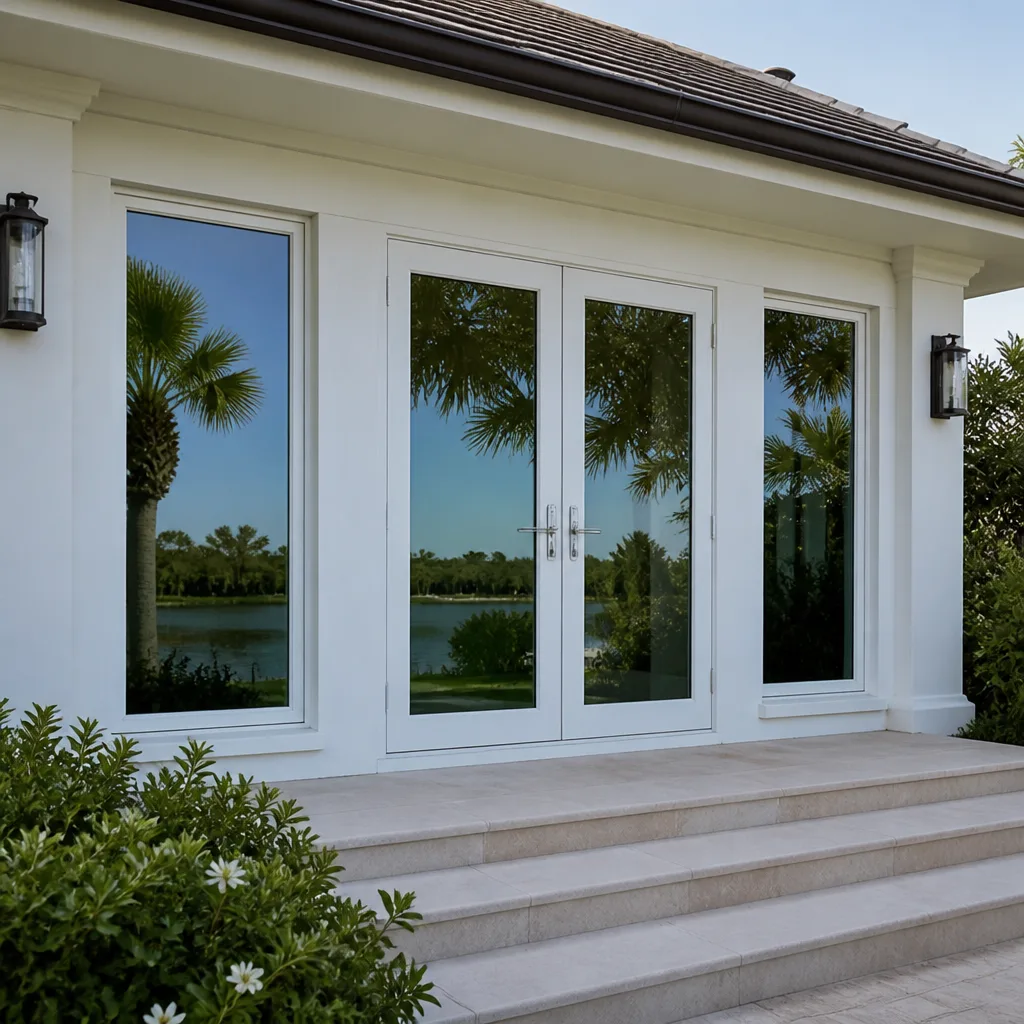
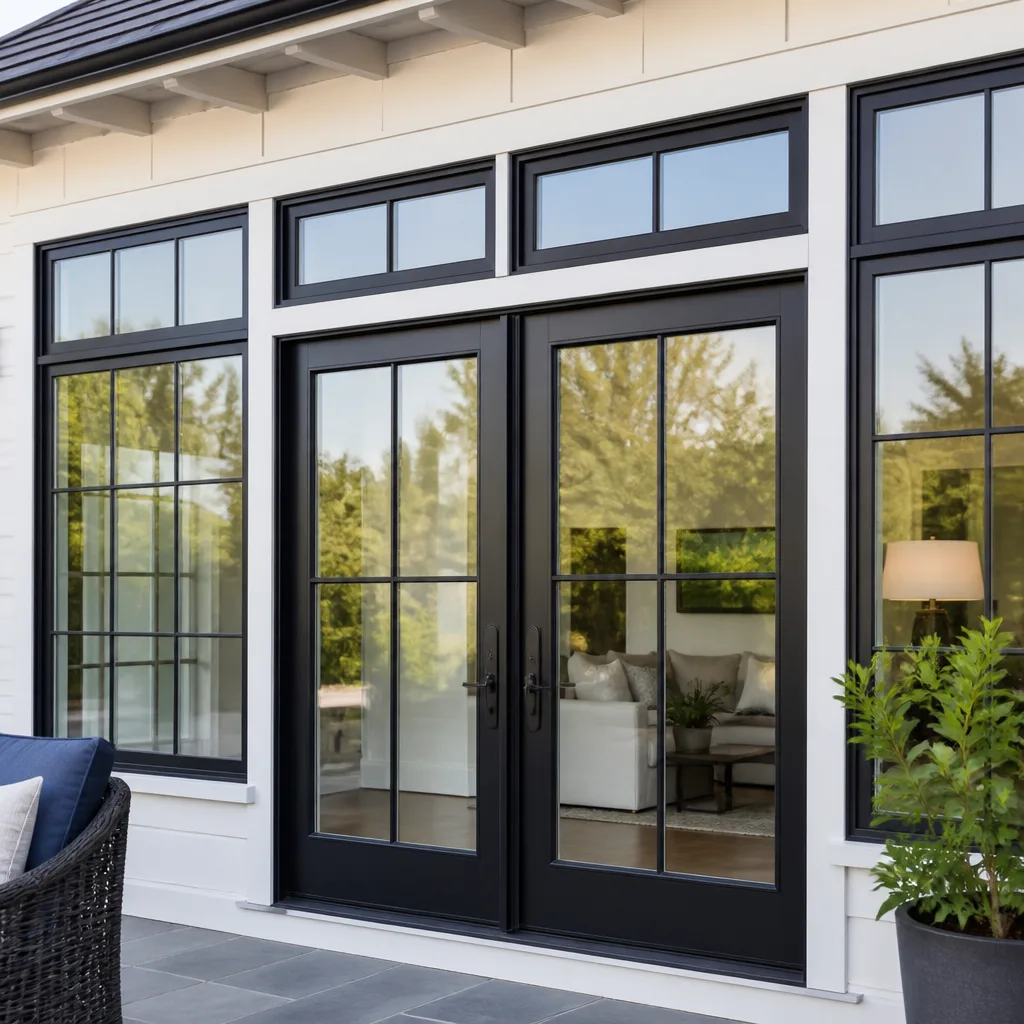
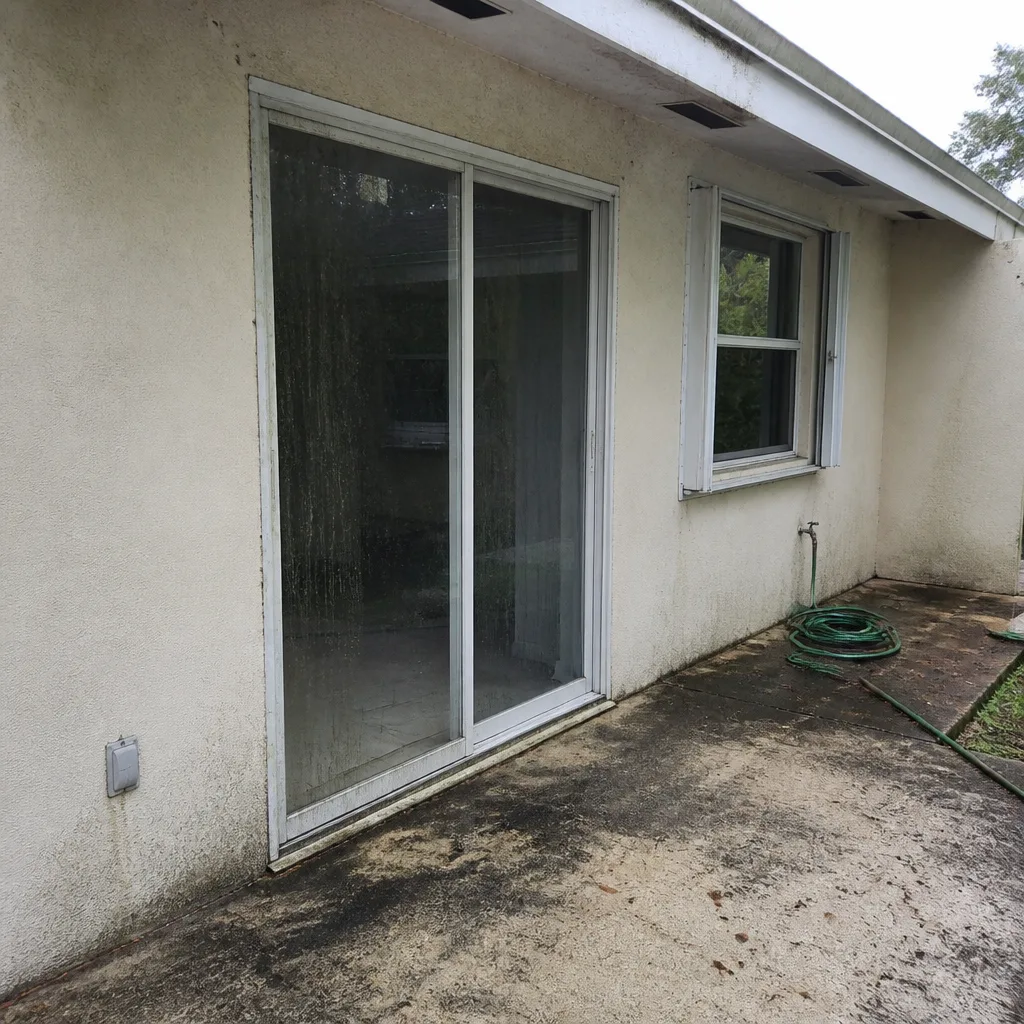 Before
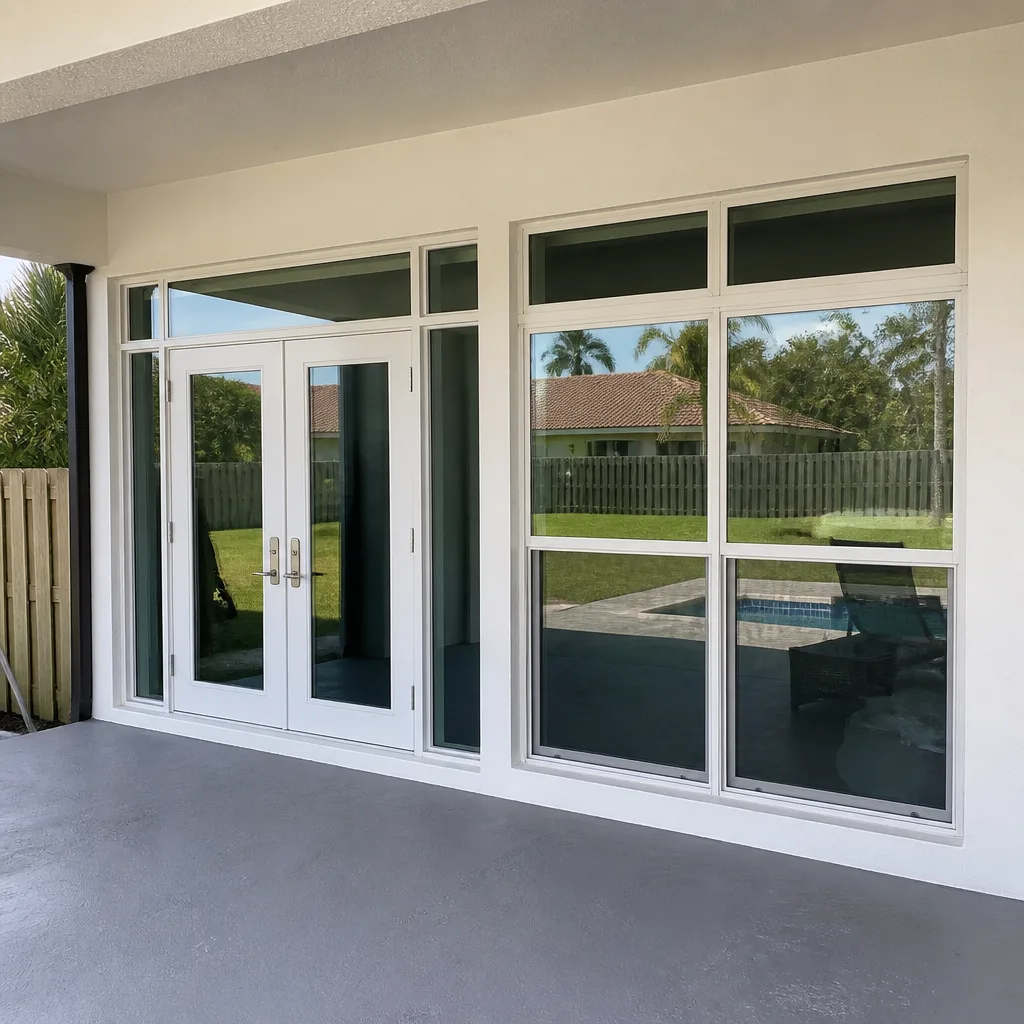 After
After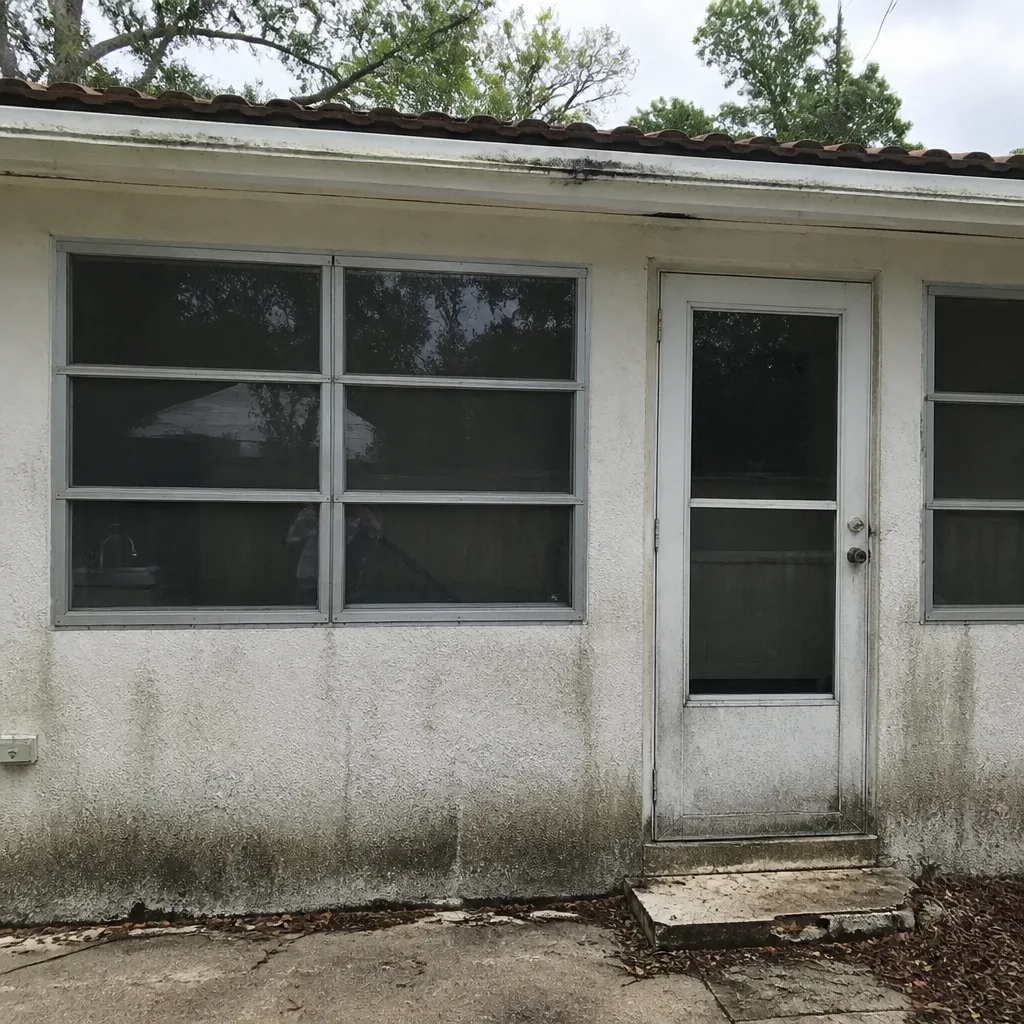 Before
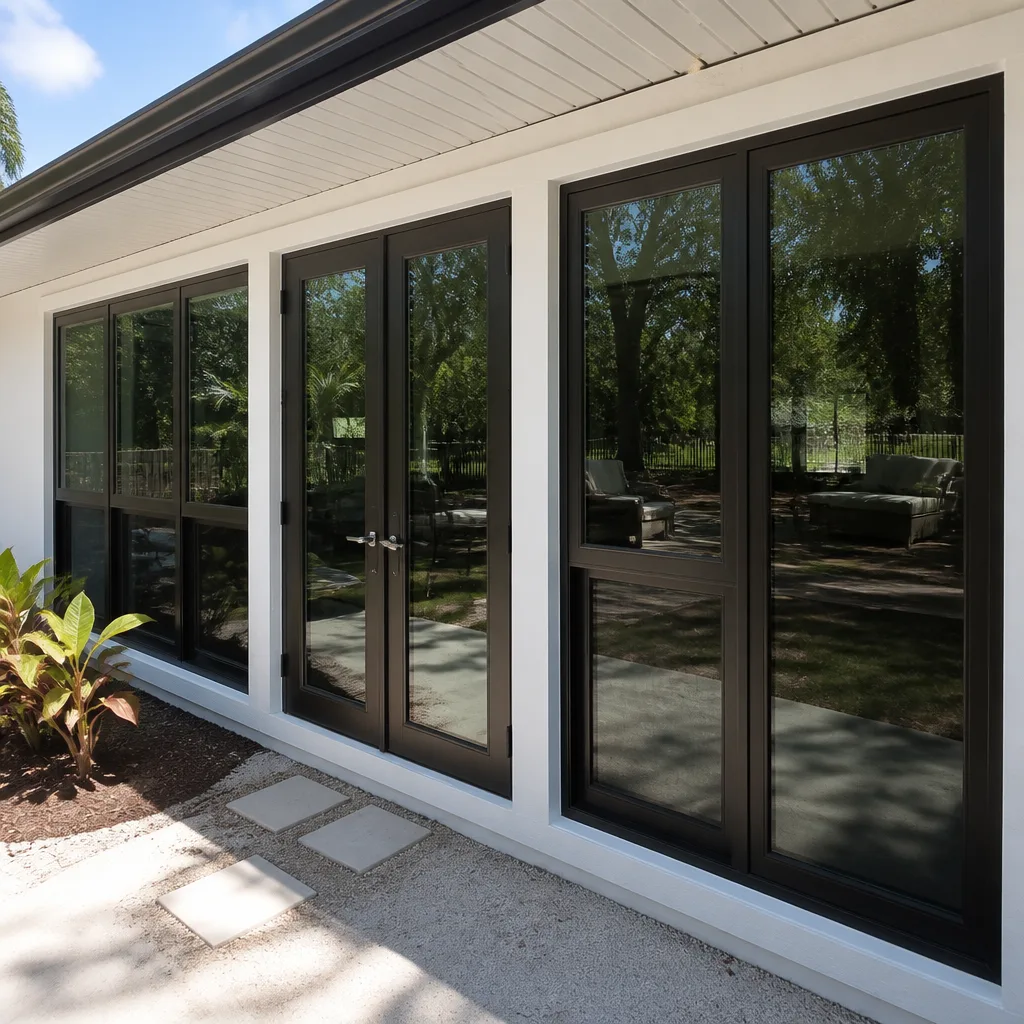 After
After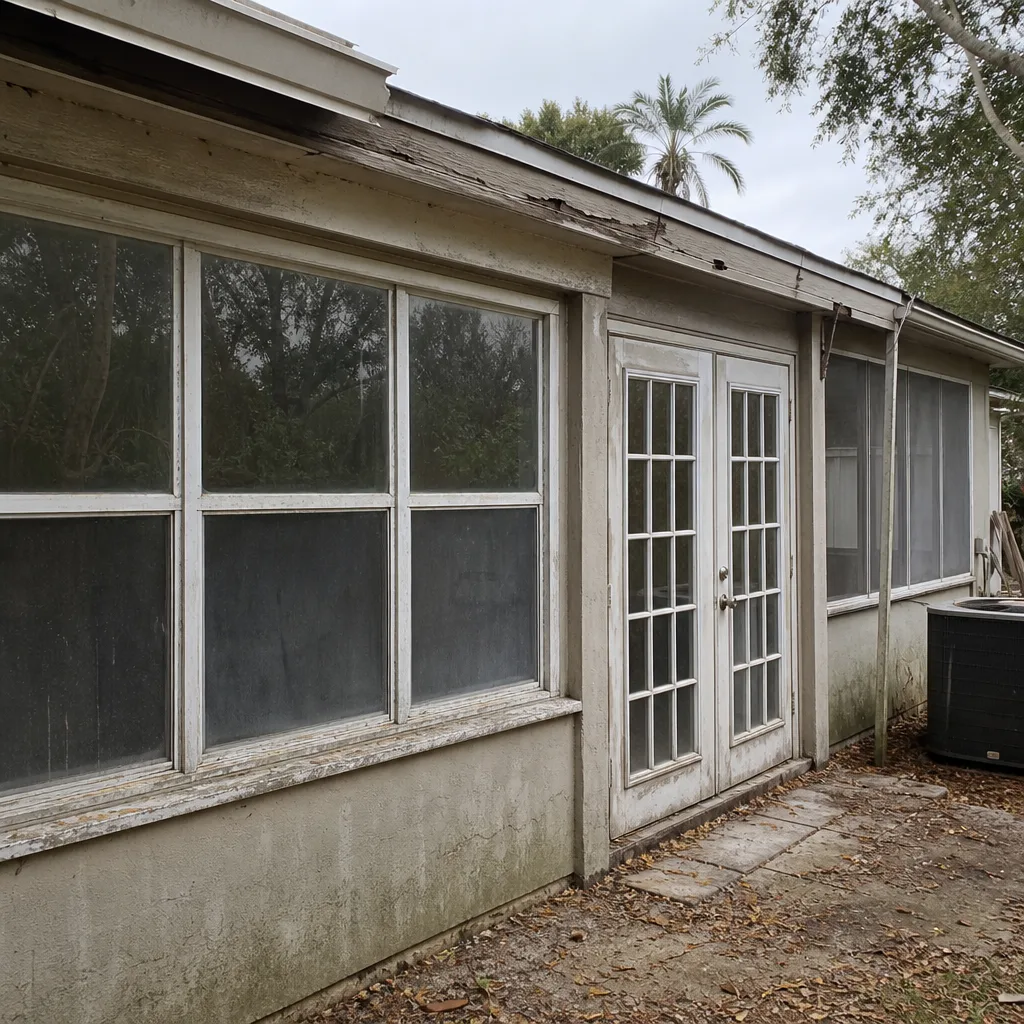 Before
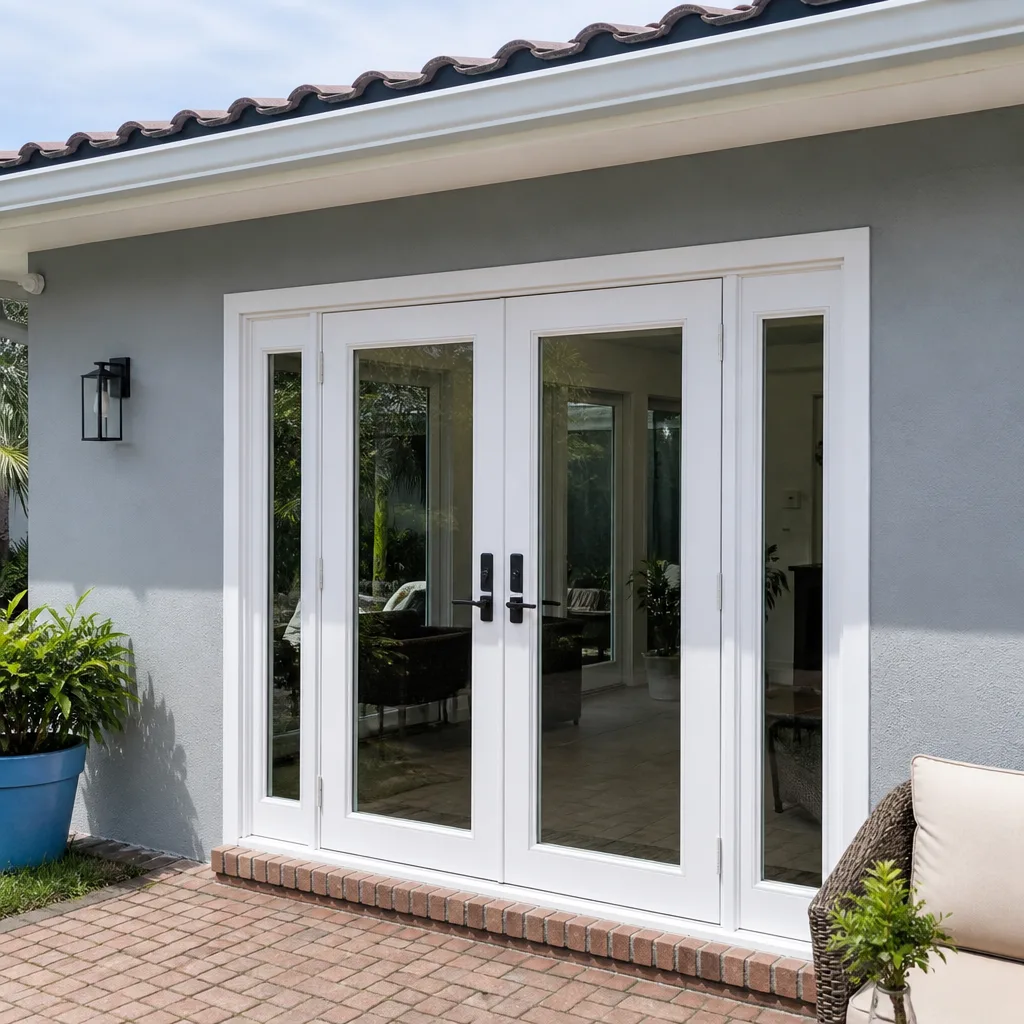 After
AfterWindows & Doors Permits, Codes & Inspections in FL: What You Need to Know
Here’s what most Fountainebleau homeowners don’t realize until it’s too late: a window that meets Florida Building Code can still fail inspection in Miami-Dade County. The state code is only the floor. Miami-Dade’s High Velocity Hurricane Zone (HVHZ) amendments sit on top of it, and they require product approvals, installation methods, and inspection checkpoints that contractors working statewide may never have dealt with. This guide-along with our Complete Guide to Windows & Doors in Fountainebleau-walks through each layer of the permitting system, so you can catch problems before the inspector does, not after.
Quick Answer
Window and door replacement in Fountainebleau requires a permit from Miami-Dade County, and the products installed must carry a current Miami-Dade Notice of Acceptance (NOA). Inspections happen in stages: rough-in to verify the opening and anchoring, product approval verification to confirm the NOA matches what’s on the truck, and final to sign off on the finished installation. Skipping any of these steps can trigger re-inspection fees, failed final inspections, and, in the worst case, a homeowner’s insurance carrier denying a future claim.
Table of Contents
- Florida Permit Basics: What Needs a Permit and What Doesn’t
- Florida Building Code vs. Miami-Dade HVHZ: The Real Difference
- The Notice of Acceptance (NOA): Your Product’s Permission Slip
- The Miami-Dade Permit Process for Windows and Doors: Step by Step
- The Inspection Sequence: Rough-In, Product Verification, Final
- What a Bad Installation Does to Your Homeowner’s Insurance
- Owner-Builder Permits: Why They’re Rarely the Right Call
Florida Permit Basics: What Needs a Permit and What Doesn’t
Under the Florida Building Code, any replacement of windows or exterior doors requires a permit. This includes swapping a sliding glass door for a French door, replacing a single-hung window with an impact-rated unit, and changing the size of any rough opening. The permit requirement isn’t a suggestion, and it isn’t waived because your contractor says “we do this all the time.” The state treats window and door installations as structural work because they’re part of the building envelope, and in a hurricane zone, that envelope is what stands between your family and 140 mph winds.
What doesn’t require a permit? Replacing a screen in a screened enclosure, reglazing a sash in place without removing the frame, and minor caulking or weatherstripping. But the moment the window frame comes out of the wall, the scope changes from repair to replacement, and Miami-Dade wants a permit on file. In our experience in Fountainebleau, homeowners sometimes assume their HOA approval substitutes for a permit. It doesn’t. The HOA cares about aesthetics. The county cares about structural safety.
For door replacements, the same logic applies. An exterior door is a structural component, not a furniture item. The threshold, the anchoring to the slab, the flashing system that keeps water out of your wall, and the wind-load rating all fall under code review. If your contractor tells you a permit isn’t necessary for a “simple” door swap, that’s a red flag worth paying attention to. The permit exists to generate an inspection record. That record is what protects you when you sell the house, file an insurance claim, or refinance.
Florida Building Code vs. Miami-Dade HVHZ: The Real Difference
The Florida Building Code is a statewide baseline. It sets minimum standards for wind resistance, water infiltration, and structural integrity across all 67 counties. Miami-Dade County then applies its own High Velocity Hurricane Zone amendments, and these are not cosmetic. They require products tested to higher wind pressures, stricter anchoring schedules, and documentation that products tested in other parts of the state simply don’t carry.
Here’s the concrete difference. A window sold and installed in Tampa under the FBC baseline may be tested to a design pressure of ±45 pounds per square foot. The same window installed in Fountainebleau under HVHZ rules may need to meet ±60 or ±70 psf, depending on its location on the house and its exposure category. The product approval database is different too. Miami-Dade maintains its own product approval portal, and a Florida Product Approval (FL number) by itself is not enough inside the HVHZ. The product must carry a Miami-Dade NOA.
This is where out-of-town contractors get tripped up. A company that does most of its work in Orlando or Jacksonville may not maintain a Miami-Dade approved product line. They show up with a window that has a valid FL approval, they install it correctly by state standards, and then the Miami-Dade inspector arrives and checks the label against the NOA database. No match means a failed inspection. The contractor’s answer is usually some version of “well, we never had this problem before.” You’re left with a window that can’t pass final, a permit that won’t close, and an insurance carrier that won’t accept the installation.
If you live in Fountainebleau, the only thing that matters is whether the product carries a current, unexpired Miami-Dade NOA that matches the exact size, model, and configuration being installed. Not a Florida Product Approval. Not a TDI rating from Texas. An NOA from Miami-Dade County. We recommend verifying this before the windows arrive on site, not after the first failed inspection.
The Notice of Acceptance (NOA): Your Product’s Permission Slip
Every impact window and door installed in Miami-Dade County must have a Notice of Acceptance, or NOA, on file with the county’s product approval database. The NOA is the document that says a specific product, in a specific size range, with specific anchoring requirements, has been tested and approved for use in the High Velocity Hurricane Zone. No NOA, no approval. No approval, no passed final inspection.
Here’s how to check it yourself. Go to the Miami-Dade County Product Approval Search portal. Type in the manufacturer name and the product number. The NOA will show you the expiration date, the approved sizes, the maximum design pressure, and the required anchoring method for each installation condition. Compare that against what your contractor is installing. Look at the label on the window or door. The product approval number printed on the label must match the NOA number in the database, and the size being installed must fall within the approved range.
What happens if the NOA has expired? The product cannot be installed, full stop. An expired NOA is the same as no NOA in the eyes of the building department. What happens if the NOA is valid but the product size doesn’t match? The inspector will fail the rough-in inspection, and you’ll be paying a re-inspection fee while your contractor figures out whether the product can even be returned. What happens if the NOA matches but the installation method doesn’t follow the NOA’s anchoring schedule? The product may pass the rough-in, but the final inspection will catch the discrepancy, because the inspector checks the installation against the approval document, not against the contractor’s preferred method.
In Fountainebleau, we’ve seen this play out with sliding glass doors more than any other product. A homeowner gets a quote for a “PGT sliding door” without a model number. The contractor installs whatever PGT unit was cheapest at the supply house that week. The NOA says that particular model wasn’t approved for the opening size. The door is physically installed, it operates fine, but it can’t be signed off. The homeowner is now holding a door that works but doesn’t count, and the fix usually means tearing it out and starting over.
The Miami-Dade Permit Process for Windows and Doors: Step by Step
The Miami-Dade permit process for window and door replacement follows a predictable sequence. Here’s how it works when a contractor pulls the permit on your behalf, which is how the vast majority of Fountainebleau projects proceed:
- Prepare the permit package. The contractor submits a permit application, a drawing or plan showing the location and size of each opening being replaced, the product approval documents for each window and door, and the applicable fee. Miami-Dade’s permit fees for residential window and door replacement typically range from $150 to $600 depending on the scope, but the larger cost driver is the time lost if the package is incomplete.
- Plan review. The county reviews the package to confirm the proposed products are approved for use in the HVHZ and that the installation details match the NOA requirements. Simple replacements can pass plan review in a few days. Projects that involve enlarging openings, adding new openings, or structural modifications take longer, and they may require engineered drawings.
- Permit issuance. Once the plan review clears, the permit is issued. The permit is now active, and the clock starts. Miami-Dade permits carry expiration dates. If the work isn’t completed and the permit isn’t closed within the allowed window, typically six months with possible extensions, the permit goes into abatement, and you’re now dealing with an expired permit on your property record.
- Installation and inspections. The work proceeds according to the NOA specifications, and the contractor schedules each required inspection. Any failed inspection generates a re-inspection fee, which the contractor may try to pass on to you depending on your contract.
- Permit closure. After the final inspection passes, the permit is closed. This is the official record that the work was completed to code. That record matters for insurance, resale, and any future work on the house.
One detail most homeowners overlook: the permit must list the exact products being installed. If your contractor writes “impact windows, as per NOA” without specifying the manufacturer and model, the inspector has nothing to verify against, and you’re headed for a failed product approval verification inspection. A sloppy permit application is a leading indicator of a sloppy installation.
The Inspection Sequence: Rough-In, Product Verification, Final
For a full window and door replacement, Miami-Dade’s inspection sequence has three distinct checkpoints, and each one exists for a different reason. Here’s what happens at each stage:
- Rough-in inspection. This happens after the old window or door is removed and the new unit is set in the opening but before any trim, stucco, or interior finish work covers it up. The inspector checks the size and condition of the rough opening, the anchoring method, and whether the product being installed matches the permit and the NOA. For impact windows, the inspector verifies that the anchors are the ones specified by the NOA, at the spacing the NOA requires. This is the inspection that catches products installed with generic anchors from a big-box store instead of the manufacturer’s specified system.
- Product approval verification. In some Miami-Dade projects, the inspector will explicitly cross-check the product labels against the permit documents and the NOA database. This can happen during the rough-in or as a separate trip. The inspector reads the approval number off each label, verifies it against the permit, and confirms the NOA is current. If the label doesn’t match, the inspection fails, and the fix is not a tweak. It’s a product swap.
- Final inspection. The final happens after the installation is complete, including flashing, sealant, trim, and interior finish. The inspector confirms that the windows and doors operate correctly, that the weatherproofing details match the NOA requirements, and that nothing about the finish work compromised the installation. For impact products, the final also verifies that the glazing and frame are intact and undamaged by the installation process.
What triggers a re-inspection fee? Any failed inspection. The inspector returns only after the contractor has corrected the issue, and Miami-Dade charges for the return trip. Re-inspection fees can add up fast on a large job. If the rough-in fails on a house with fourteen windows, and the contractor didn’t catch the problem beforehand, you’re not just paying the fee. You’re also paying for the delay while the contractor figures out how to fix a product that shouldn’t have been installed in the first place.
In Fountainebleau, the most common failure we see is a rough-in that passes because the inspector gives a quick look, followed by a final that fails on product verification because the labels don’t reconcile with the permit. The moral: have your contractor verify every NOA before installation day, not after the inspector writes it up.
What a Bad Installation Does to Your Homeowner’s Insurance
Your homeowner’s insurance carrier has access to permit records. When you file a claim related to a window or door failure, water intrusion, or wind damage, the adjuster will check whether the work was permitted and whether the permit was closed with a passing final inspection. If the answer is no, your claim is at risk.
Here’s the scenario that plays out in Fountainebleau more often than anyone wants to admit. A homeowner replaces their old windows with impact windows, but the contractor suggests skipping the permit to save time and money. Five years later, a storm pushes water past a failed seal, and the resulting damage runs into five figures. The adjuster asks for the permit. There isn’t one. The carrier denies the claim on the grounds that unpermitted modifications voided coverage for that portion of the home. The homeowner now has a failed window installation, a denied claim, and no way to recover from the contractor, who has since changed his phone number.
Even if the work was permitted but the final inspection failed or the permit was never closed, the situation gets messy. An open permit is a red flag. It tells the carrier that the work was never completed to code, and that gives them an opening to dispute causation. The cleanest insurance outcome requires three things: a permit was pulled, every inspection passed, and the permit was closed with the county. Anything short of that is a liability you’re carrying without knowing it.
This is why the Installation in Fountainebleau market treats permits as non-negotiable. The permit record is your proof that the product was installed to code by someone who knew the code. Without it, you’re relying on the contractor’s word. And when the claim is on the line, the contractor’s word isn’t worth the paper it’s printed on.
Owner-Builder Permits: Why They’re Rarely the Right Call
Florida law allows a homeowner to act as their own contractor and pull an owner-builder permit for work on their own residence. This is legal for window and door replacement in theory, but in practice, pulling an owner-builder permit for impact product installation in the HVHZ creates a stack of obligations most homeowners aren’t prepared to accept-one reason many turn to professionals instead (see our DIY vs Professional Windows & Doors: The Fountainebleau Homeowner’s Decision Guide).
When you pull an owner-builder permit, you become the contractor of record. That means you are legally responsible for the work meeting code, for scheduling inspections, for correcting failed inspections, and for any defects in the installation, even if you hired someone else to do the physical labor. If you hire a subcontractor and that person gets hurt on your property, you are the employer of record for workers’ compensation purposes unless the subcontractor carries their own coverage. If the installation fails, you can’t sue the contractor. You are the contractor.
The second problem is the product approval requirement. An owner-builder installing impact windows in Fountainebleau must still install products with current Miami-Dade NOAs, following the NOA’s exact installation requirements. If you don’t understand how to read an NOA, you can’t verify that the product on your driveway matches the document in the database. If you install it wrong, the inspector fails the job, and you’re paying the re-inspection fees while you figure out how to correct an installation that should have been done by someone who does this every week.
The third problem is insurance. Many homeowner’s policies have exclusions or limitations for work performed under owner-builder permits. Some carriers will not cover defects in owner-builder work at all. You pulled the permit to save money, and now you’ve created a coverage gap for the very windows that are supposed to protect your home.
There are times when an owner-builder permit makes sense: a simple repair on a shed, a small outbuilding, a deck with no structural implications. Impact window and door installation in the HVHZ is not one of those times. The risk-reward math doesn’t work. The savings, typically a few thousand dollars in contractor overhead, is dwarfed by the liability you assume.
Common Mistakes to Avoid
- Assuming a Florida Product Approval works in Miami-Dade. It doesn’t. Inside the HVHZ, only a Miami-Dade NOA satisfies the product approval requirement. A contractor who can’t produce an NOA number before the job starts is a contractor who will fail your inspection.
- Allowing the contractor to pull a permit without listing specific products. A permit that says “impact windows as per code” doesn’t give the inspector anything to verify. Demand the permit list manufacturer, model, and NOA number for every window and door.
- Paying the final invoice before the final inspection passes. Once you pay, your leverage walks out the door. Hold back at least enough to cover re-inspection fees and corrections until the permit is closed.
- Accepting a verbal promise that “the permit will be handled later.” In Fountainebleau, work that starts without a permit is work that may never get a permit. The county issues stop-work orders, and your insurance carrier now has a permanent record of unpermitted work.
- Buying windows online and hiring a handyman to install them. The handyman isn’t pulling a permit, and the windows you bought online may not carry Miami-Dade product approval at all. You’ve spent thousands on a product that can’t be signed off and may not protect your house.
- Enlarging an opening without engineered plans. Changing a window size changes the load path on the wall. If you’re going from a three-foot window to a five-foot slider, Miami-Dade wants a structural engineer involved. Skipping this step virtually guarantees a failed plan review or a structural problem nobody catches until the wall cracks.
- Not checking the NOA expiration before the product ships. NOAs expire, and manufacturers don’t always rush to update the database. If the approval expired last year, the window in your garage is useless for a permitted installation. Check the date before the product ships, not after it arrives.
When to Call a Professional
If your project involves impact windows or doors in Fountainebleau, the professional call isn’t optional. The product approval requirement, the NOA verification, the inspection sequence, and the insurance implications all point the same direction: hire a contractor who works in Miami-Dade every day, who knows what the HVHZ requires, and who can produce an NOA for every product on the quote before you sign. That’s the baseline. If a contractor hesitates on any of those points, get another quote. Winslow Windows & Doors offers free estimates in Fountainebleau. Call (727) 620-6983 and ask us to verify the NOAs on your project before you commit to anything. You’ll get a straight answer, because Ed’s name is on the door, and on every job we do.
Frequently Asked Questions
Yes. Any window or exterior door replacement in Miami-Dade County requires a permit, and the products installed must carry a current Miami-Dade NOA. The permit exists to create an inspection record, and that record protects your insurance coverage and your resale value.
A Florida Product Approval means the product meets the state’s minimum wind resistance standards. A Miami-Dade NOA means the product has been tested and approved for use in the High Velocity Hurricane Zone, which imposes stricter wind pressure requirements and more specific installation standards. Inside Fountainebleau, only the NOA matters.
Residential window and door replacement permits in Miami-Dade typically cost between $150 and $600, depending on the scope of work. The larger cost is the re-inspection fee you’ll pay if the installation fails because the products weren’t properly approved. Call (727) 620-6983 for an exact quote, and we’ll walk you through the line items.
It shouldn’t, if the contractor did their homework. The price changes when the crew shows up with windows that don’t match the NOA, the inspection fails, and someone has to reorder product. We give written line-item estimates and fixed pricing with no change orders, because we verify every NOA before the product ships. If your contractor won’t do that, you should wonder why.
Yes. Winslow Windows & Doors pulls every permit for every window and door project in Fountainebleau, and we don’t start work until the permit is issued. The permit lists the exact products being installed, and we verify every NOA against the Miami-Dade portal before installation day. Call (727) 620-6983 for a free estimate.
A typical full-home window and door replacement takes two to five days of on-site work, plus the time needed for permit review and inspection scheduling. The inspection sequence adds days to the calendar, not weeks, if the products are approved and the installation follows the NOA from the start. Call (727) 620-6983 to get a realistic timeline for your specific project.
The Bottom Line
Window and door permits in Florida aren’t a bureaucratic formality. They’re the paper trail that proves your products meet the Hurricane Zone standard, your installation followed the approved method, and your insurance company has a reason to accept your claim if the storm ever tests your house. In Fountainebleau, the rules are stricter than the state baseline, and the contractors who don’t know the difference are the ones who fail inspections and leave homeowners holding the bag. Get the NOA checked before the job starts. Get the permit closed before you pay the final invoice. And get a contractor who treats the permit as the most important part of the installation, because that’s exactly what it is. For more guides & resources, visit our blog. Winslow Windows & Doors has been serving Fountainebleau since 2011, and we’re the neighbor you can call at 2 a.m., and someone will actually answer. The one down the road.
Written by Ed Winslow, Owner at Winslow Windows & Doors, serving Fountainebleau since 2011.
Six Reasons Homeowners Choose Winslow Windows & Doors
Impact systems engineered to design pressures up to +/-100, matched to your wind zone - your openings hold when the storm arrives.
Low-E insulated impact glass from our manufacturer lines commonly cuts monthly cooling bills 20-30%.
Laminated impact glass shuts out up to 40% of outside noise - traffic, neighbors, weather.
Monitoring services run $30-90 a month. Laminated impact glass resists forced entry around the clock, with no subscription.
Florida homeowners average around 25% savings on the windstorm portion of their policy after protecting every opening - some homes qualify for more.
A full impact package upgrades curb appeal, buyer confidence and appraised value in one project.