
Last updated August 27, 2026
Free in-home measure and quote - PGT, CGI and CWS impact lines compared on your actual openings, style by style

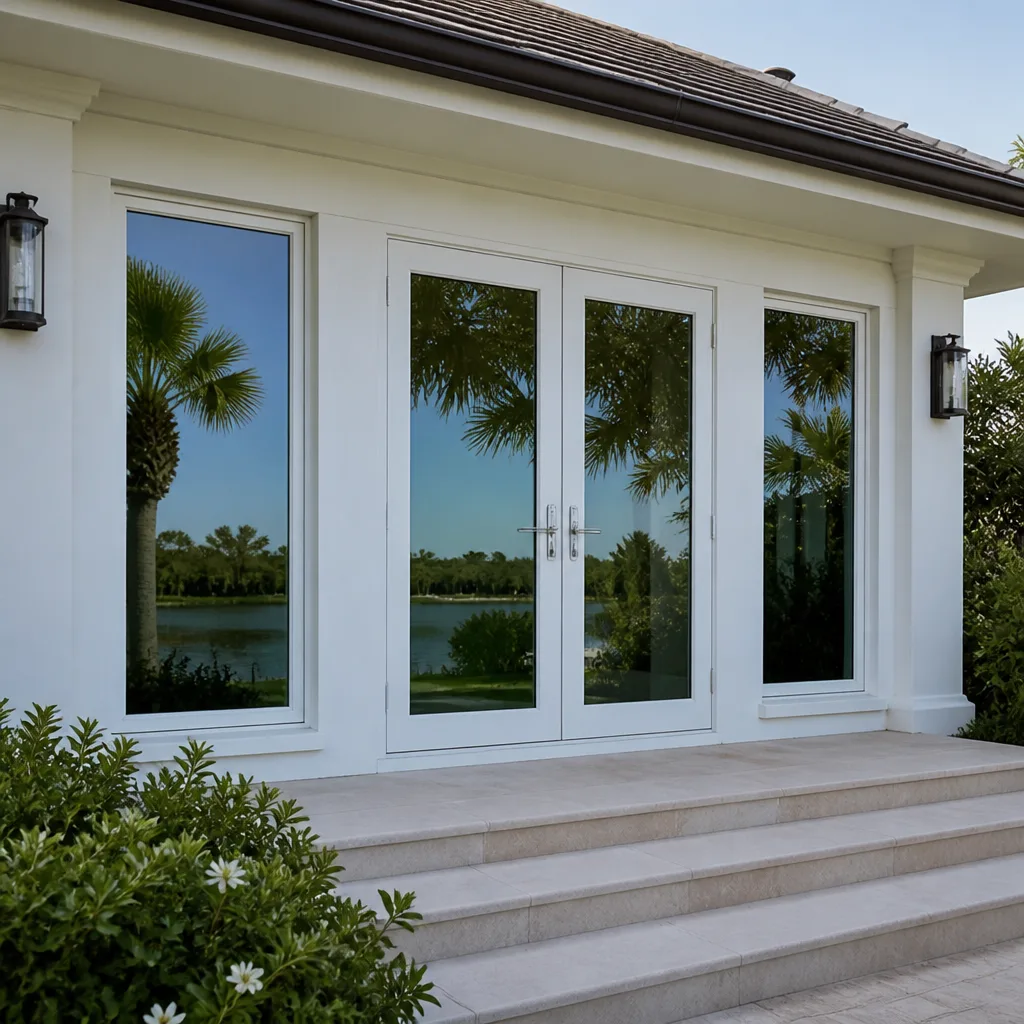
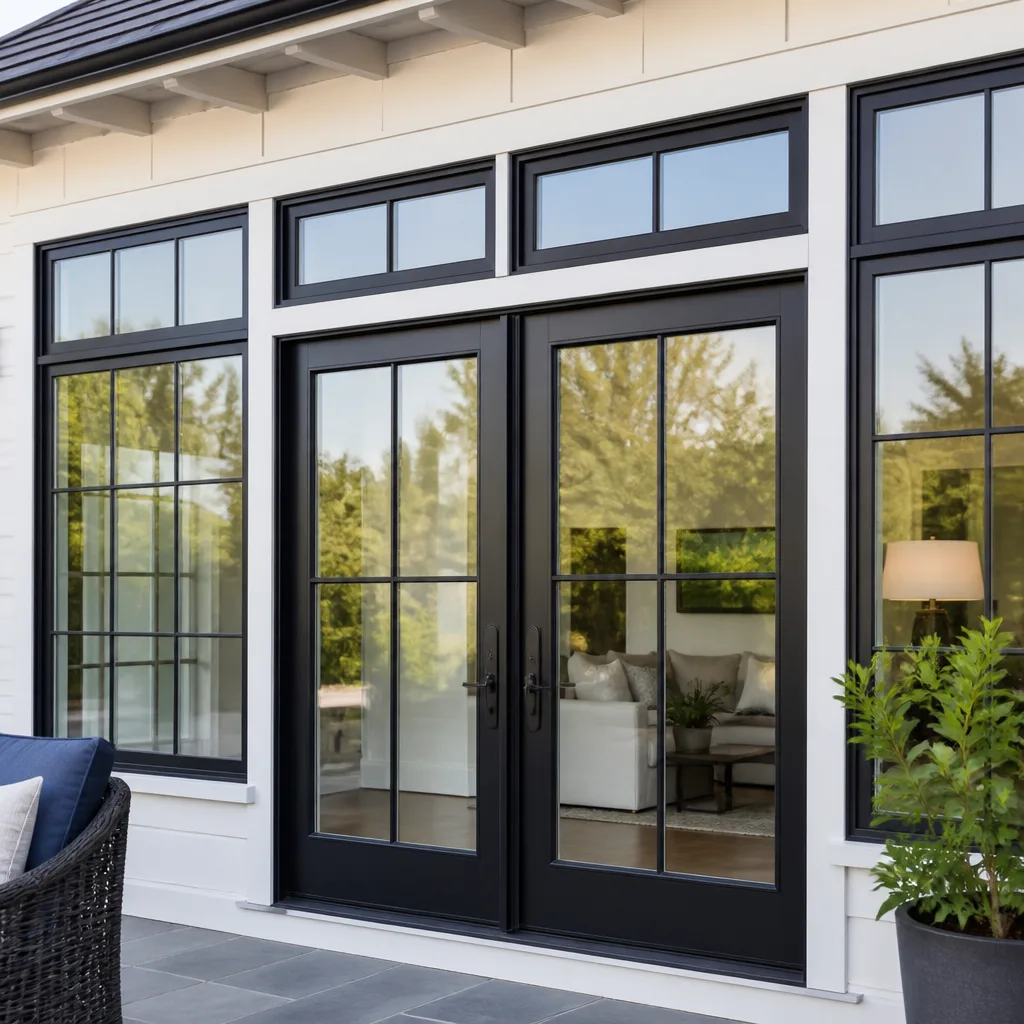
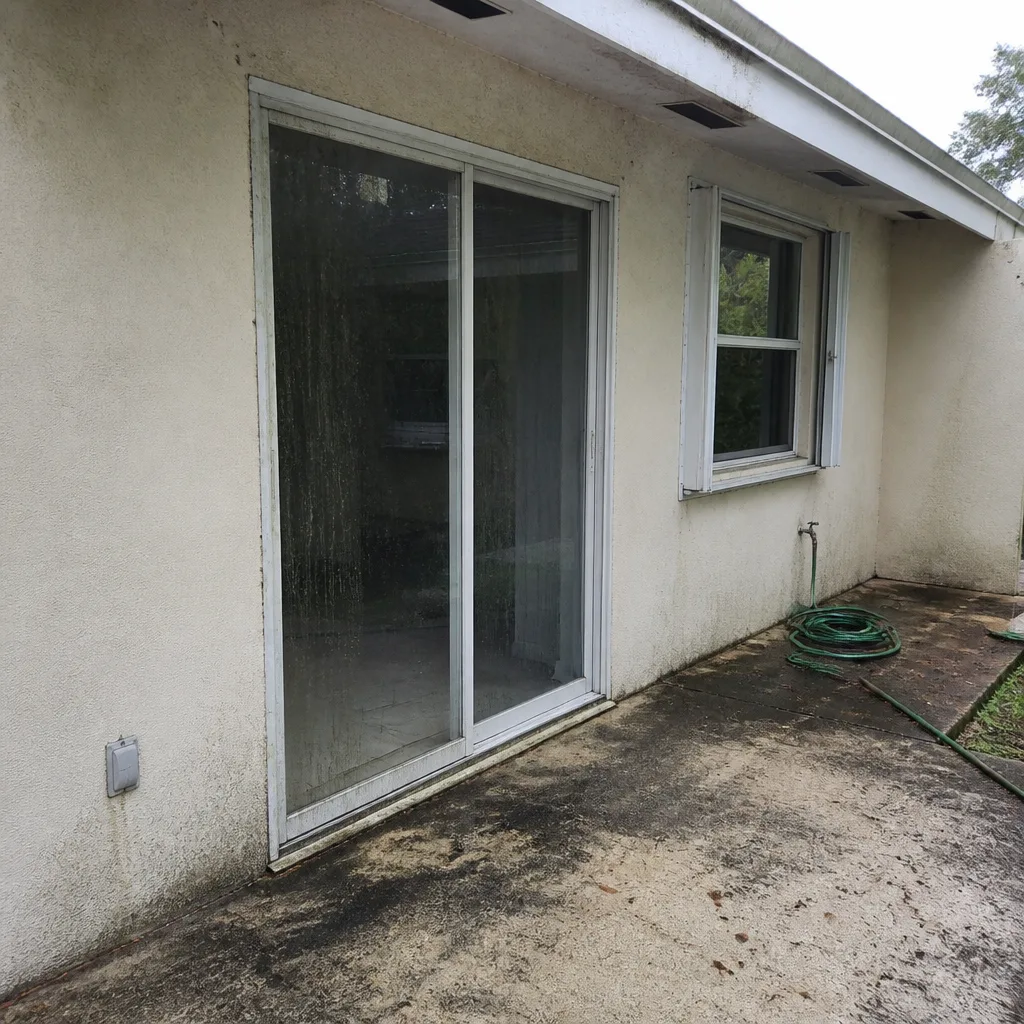 Before
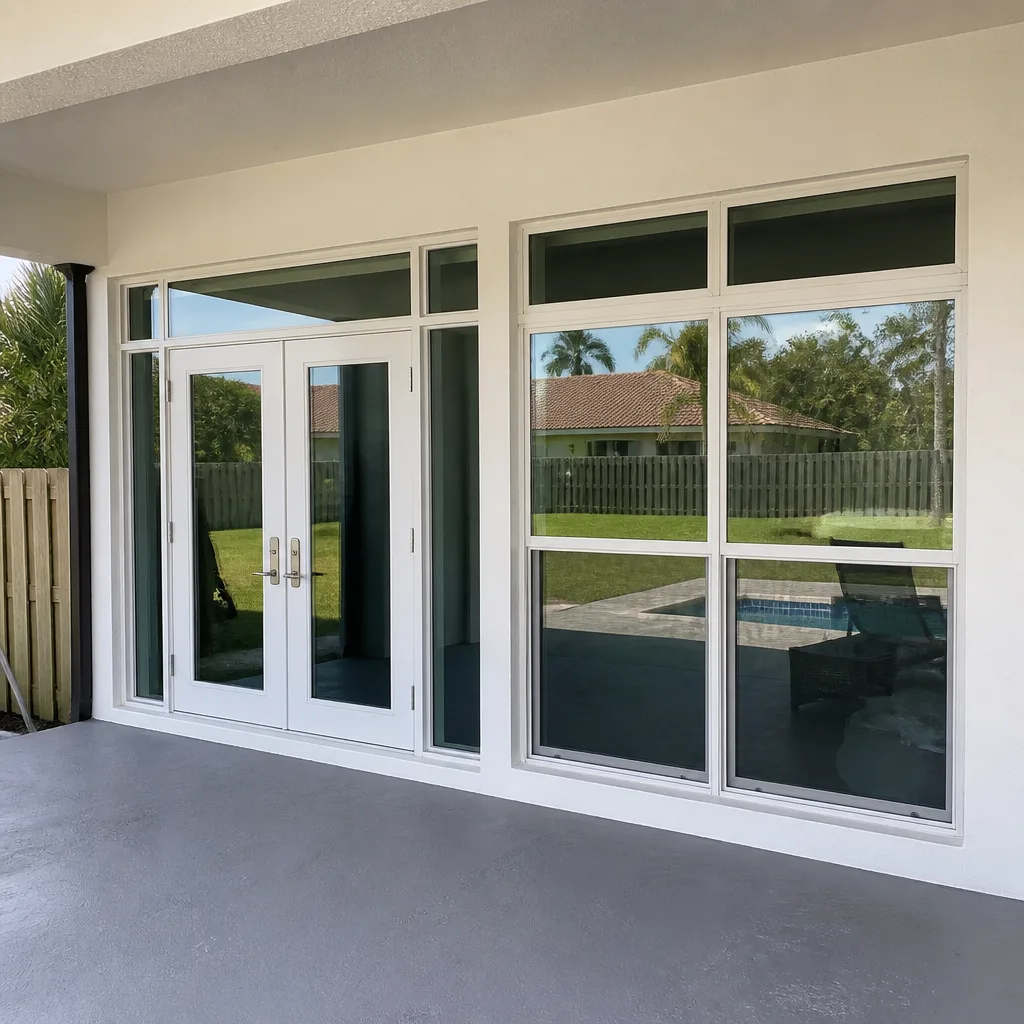 After
After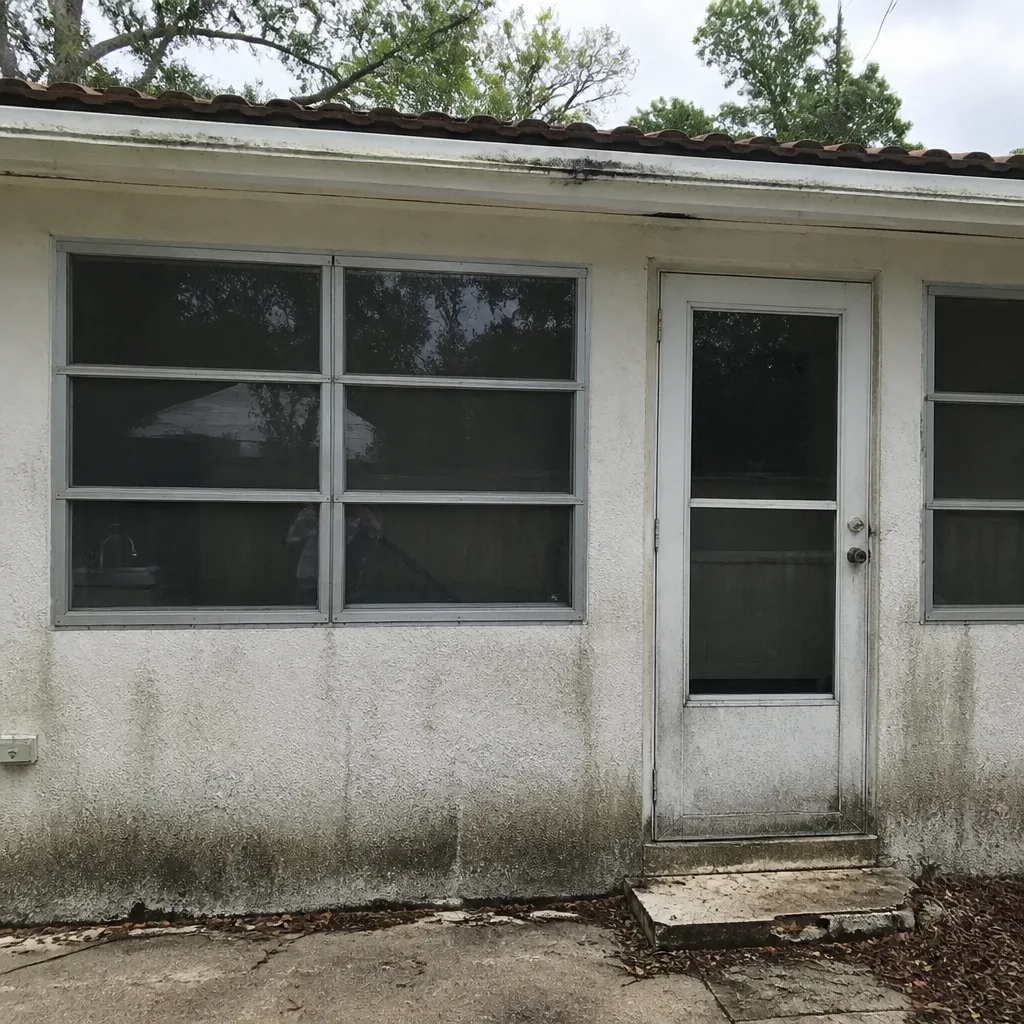 Before
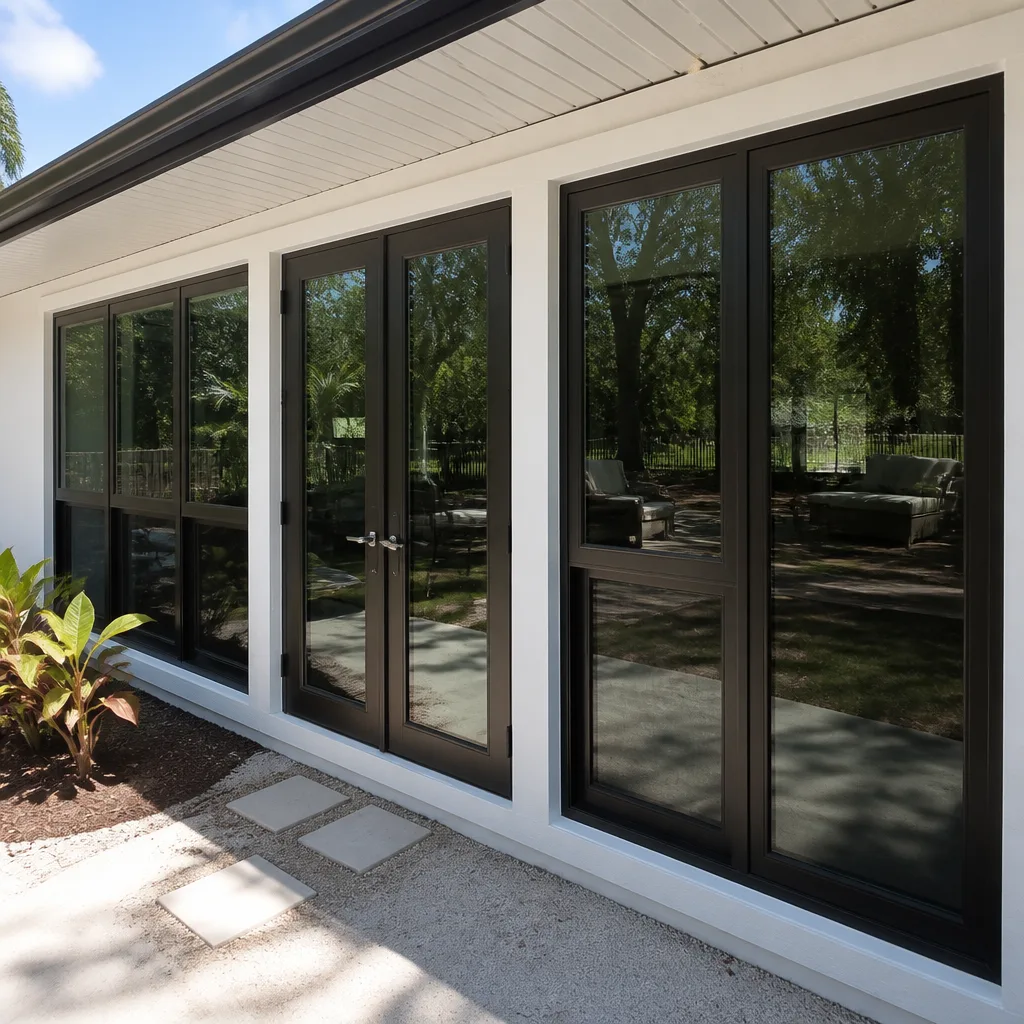 After
After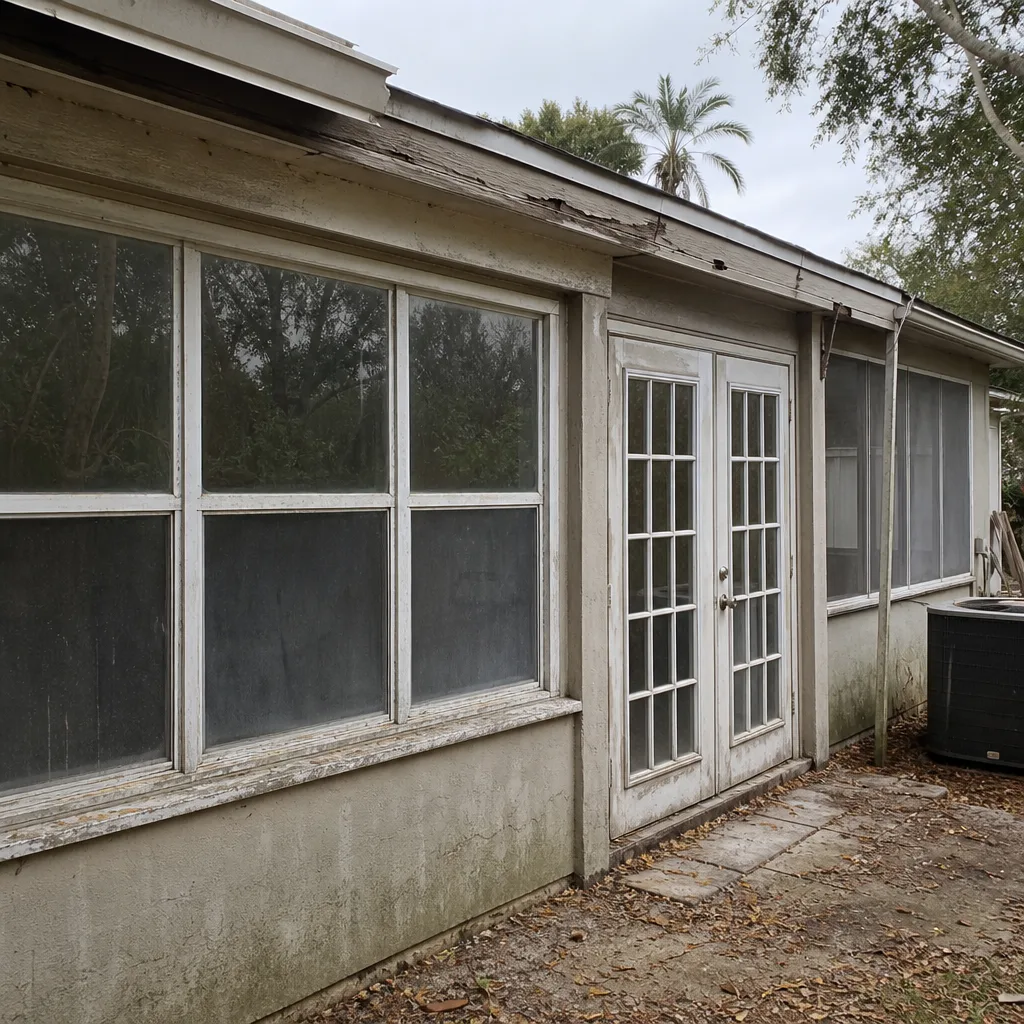 Before
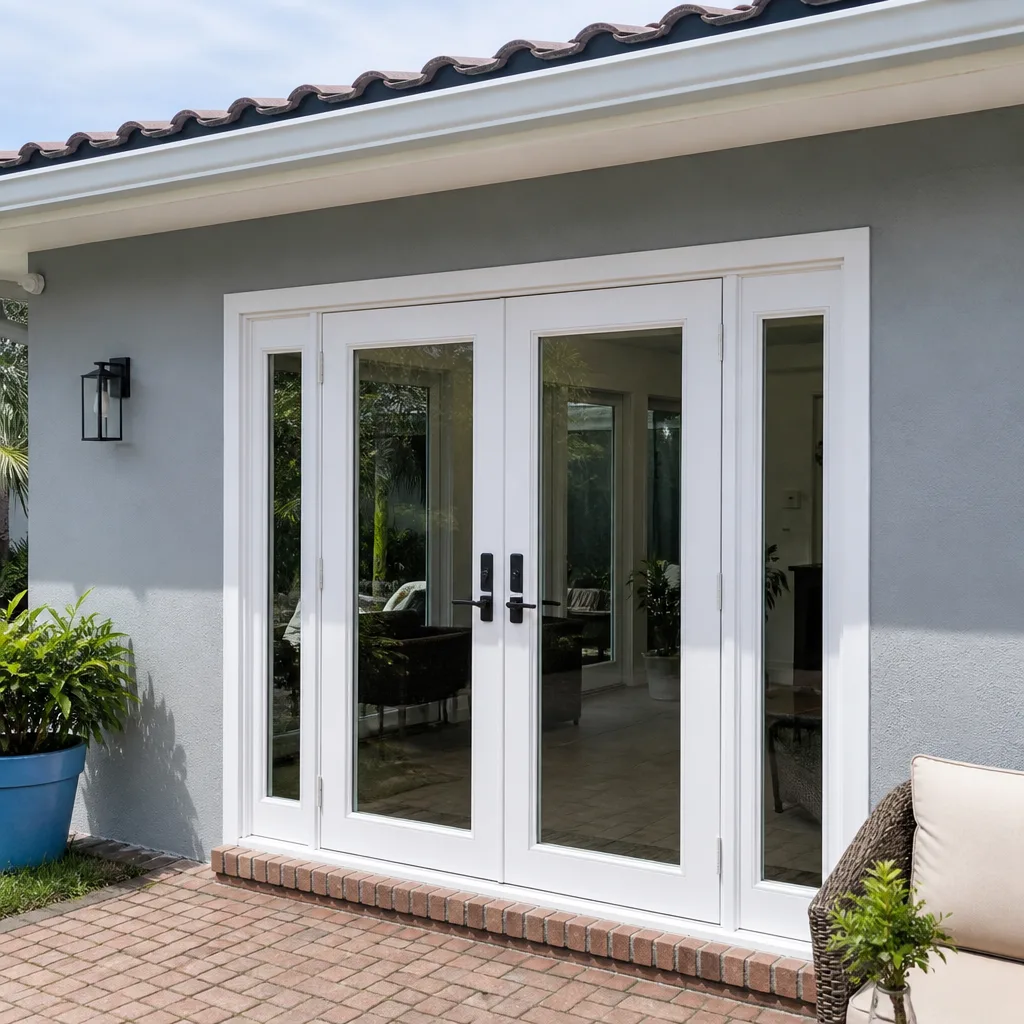 After
AfterHow to Hire a Windows & Doors Contractor in Fountainebleau: A Step-by-Step Guide
After Hurricane Irma tore through South Florida, Miami-Dade County issued cease-and-desist orders to dozens of contractors working the Fontainebleau area. Most homeowners had already signed contracts. Most had already written deposit checks. The contractors weren’t licensed for the work they’d promised, and the homeowners had no easy way to get their money back. This guide gives you a specific, ordered vetting process so you can disqualify bad actors in Fountainebleau before you ever discuss price, and our more guides & resources can help with every stage of your project.
Quick Answer
Hiring a windows and doors contractor in Fountainebleau means verifying three things before you sign anything: a valid Florida DBPR license with Miami-Dade pulling authority, a product NOA number for every window or door going into your home, and a written contract with the permit-in-hand clause before demolition starts. Skip any one of these, and you’re gambling with both your money and your home’s structural integrity in one of the strictest HVHZ building code zones in the country.
Table of Contents
- Step 1: Verify the License Before You Share Your Address
- Step 2: Who Pulls the Permit Has Legal Consequences
- Step 3: Demand Product NOA Numbers in Writing
- Step 4: The Five Contract Clauses That Protect Fountainebleau Homeowners
- Step 5: Read the Insurance Certificate, Not the Sales Pitch
- Step 6: Ask Who Actually Shows Up on Install Day
- Red Flags That Should End the Conversation Immediately
- Common Mistakes to Avoid
- When to Call a Professional
- Frequently Asked Questions
- The Bottom Line
Step 1: Verify the License Before You Share Your Address
In Fountainebleau, the license check isn’t optional diligence. It’s the first filter, and it eliminates a meaningful percentage of the contractors who knock on your door after a storm. The Florida Department of Business and Professional Regulation (DBPR) maintains a public portal at myfloridalicense.com. You can search by business name, license number, or individual name, and you should do this before a contractor sets foot on your property.
But here’s what most guides miss: a state license alone is not enough for window and door work in Fountainebleau. The area sits inside Miami-Dade County’s High Velocity Hurricane Zone (HVHZ), the strictest wind-load code in the United States. Contractors working in this zone need either a Miami-Dade County Certificate of Competency or a state Certified license that includes Miami-Dade pulling authority. A state Registered license without county reciprocity is a non-starter.
When you look at the DBPR detail page, check four things:
- The license type says “Certified” rather than “Registered,” or the contractor holds a valid Miami-Dade Certificate of Competency.
- The license is active, not delinquent, and not showing disciplinary actions.
- The qualified agent’s name matches the person who shows up to estimate.
- Workers’ compensation coverage is active on file.
In our experience in Fountainebleau, a contractor who hesitates to give you a license number, or gives you one that belongs to someone else’s company, is telling you everything you need to know. Ed Winslow runs Winslow Windows & Doors home with a published address and license number because he wants you to look it up. That’s how the good operators operate.
Step 2: Who Pulls the Permit Has Legal Consequences
Here’s the sentence that should live in your head throughout this process: the permit belongs to the contractor who pulls it, and so does the liability.
When a contractor says “we use a sub for permits,” what they’re really saying is that someone else’s license number goes on the paperwork attached to your house. If the work fails a Miami-Dade inspection, the county’s recourse runs to the permit holder, not necessarily to the person you wrote your check to. The sub pulling the permit may have never met you, may have no contractual relationship with you, and may have disappeared to another county by the time the problem surfaces.
This setup also creates a direct legal risk for you. Unlicensed contracting in Miami-Dade can void your homeowner’s insurance claim if the work causes damage later. If a window installed without a proper permit leaks during the next hurricane season and your ceiling is ruined, your insurer can point to the permit irregularity and deny the claim. The contractor won’t be there to argue for you.
The fix is simple and non-negotiable: the contractor’s license number goes on the permit application, and the permit number is issued before demolition begins. This is the difference between a contractor who is accountable to you and one who is structure-shopping to avoid liability. We pull every permit for every job in Fountainebleau under our own license. Ed’s name is on the business, and it’s on the permit, too.
Step 3: Demand Product NOA Numbers in Writing
In the HVHZ, not every window you can buy is legal to install. Products need a Notice of Acceptance (NOA) from Miami-Dade County, which certifies that the specific product, produced by the specific manufacturer, passed the specific wind and impact testing required for this zone. An NOA number is the product’s permission slip to be installed in your Fountainebleau home.
Here’s a number most homeowners never hear: the NOA database is public, searchable at Miami-Dade’s building code compliance office. You can pull up the exact model, the installation method, and the anchoring requirements. If a contractor can’t or won’t give you the NOA number before you sign a contract, they may be planning to install a product that isn’t code-compliant in Fountainebleau, or they may not know the code well enough to be working here in the first place. Either answer disqualifies them.
When we install impact windows in Fountainebleau, the NOA number is listed on the contract, line by line, product by product. Brands we install, like PGT and CGI, publish their NOA documents publicly, so you can verify every product we specify. That’s how Impact Windows in Fountainebleau should work: specific models, specific NOA numbers, zero vagueness.
Step 4: The Five Contract Clauses That Protect Fountainebleau Homeowners
Most window and door contracts in Florida are designed to protect the contractor, not the homeowner. They include vague scope language, open-ended timelines, and payment schedules that front-load risk onto you. Here are the five clauses to require in writing, and why each one matters specifically in Fountainebleau.
- Permit-in-hand before demo. The contract states that the contractor will obtain the building permit before any demolition, removal, or cutting begins. This ties Step 2 into the legal document.
- Product NOA number listed. The contract specifies each window and door line with its NOA number, not just a brand name and a vague model. This makes Step 3 enforceable if you discover a swapped product on delivery day.
- Final inspection as condition of final payment. Your final check doesn’t get written until Miami-Dade’s final inspection passes and you receive the passed inspection record. This is your strongest leverage to ensure the work is done to code.
- Lien waiver on delivery. This clause states that the contractor provides a signed lien waiver from any material supplier or subcontractor before final payment. Without it, a supplier who wasn’t paid could place a mechanic’s lien on your Fountainebleau property even though you paid the contractor in full.
- Written start and completion dates. Florida law requires reasonable timeframes, but “reasonable” means very little in a dispute. A clause with a stated start date and a stated substantial completion date gives you a breach trigger if the job languishes.
A contractor who pushes back on any one of these clauses isn’t a contractor you want in your home. A contractor who accepts all five is, at minimum, serious about doing the work correctly. This is also where a Window Installation in Fountainebleau company worth its salt shines: we put these clauses in our contracts because Ed doesn’t want to argue with you later. He wants the job done right the first time, so there’s nothing to argue about.
Step 5: Read the Insurance Certificate, Not the Sales Pitch
Every contractor will tell you they’re “fully insured.” In Miami-Dade, what “fully insured” means is specific and quantifiable, and you should ask to see the actual certificate of insurance (COI), not a marketing claim.
Here’s what to look for on the COI:
- General liability coverage of at least $1 million per occurrence, with $2 million aggregate. Miami-Dade residential work has minimum thresholds for a reason: window failures can cause massive interior damage.
- Workers’ compensation coverage, active and current. If the contractor doesn’t carry workers’ comp and a worker falls off a ladder at your Fountainebleau home, the worker’s injury claim can land on your homeowner’s insurance. On your property, the liability defaults to you.
- Your name and address listed as certificate holder. This means the insurer will notify you if the policy lapses mid-job.
- The policy is issued by a carrier licensed in Florida. Some out-of-state policies don’t provide coverage for Florida work.
Ask for the COI in writing, and insist on being named as additional insured. A contractor who won’t provide a COI to a homeowner before signing a contract is either underinsured, uninsured, or hiding something. All three are disqualifying.
Step 6: Ask Who Actually Shows Up on Install Day
The estimator who sells you the job is rarely the person who installs it. That’s fine if the installation crew are direct employees of the company. It’s a problem if they’re day-labor subs pulled from a parking lot the morning of the job.
Here’s why the distinction matters beyond the obvious quality concern. If the installer is a direct employee, the company’s workers’ compensation policy covers the worker’s injury. If the installer is a day-labor sub without their own workers’ comp, that worker’s injury on your property can spiral into a claim against your homeowner’s insurance. And if the installer is an independent sub who makes a mistake, your contract is with a company that may disclaim responsibility for the sub’s work, leaving you in the middle of a civil dispute over a window that leaks.
Ask these questions directly:
- Are the installation crews employees of the company, or subcontractors?
- If subcontractors, do they carry their own workers’ comp and general liability?
- Who is the site supervisor on the day of the install, and is that person a company employee?
At Winslow Windows & Doors, every technician who arrives at your Fountainebleau home is a background-checked, uniformed employee. You know exactly who is at your door before the truck pulls up. That’s not a marketing line; it’s an accountability structure. Ed’s name is on the door, and on every job we do.
Red Flags That Should End the Conversation Immediately
Some contractors disqualify themselves in the first ten minutes if you know what to listen for. Here are the phrases and behaviors that should trigger a polite “we’ll get back to you” and a firm decision not to:
- “We use a sub for permits.” As covered in Step 2, this shifts liability away from the contractor and onto you. It’s a structural dodge.
- “You don’t really need a permit for this.” In Fountainebleau, you absolutely do. Anyone who says otherwise is asking you to risk your insurance coverage.
- A price that’s wildly below the other bids. In the HVHZ, materials cost what they cost. If someone is 30 percent below market, they’re cutting something: permits, insurance, or product quality.
- “We can start tomorrow.” A legitimate contractor with a valid license needs time to pull permits and order products from the manufacturer. We’re not saying delay is a virtue, but instant availability in a busy market is often a sign of an operation that skips process.
- Pressure to sign today. A reputable contractor in Fountainebleau knows you’re making a decision about your home’s structural protection. They don’t need urgency tactics to close a deal; their work and reputation do it.
Common Mistakes to Avoid
- Hiring the first contractor who answers the phone. After a storm, the first available is often the least qualified. Fountainebleau’s building code is unforgiving, and the contractors who know it are worth waiting for.
- Signing a contract before verifying the DBPR license. Once you’ve signed, your leverage shrinks. The license check takes five minutes and should happen before you even share your address.
- Accepting a verbal estimate as a contract. Verbal estimates are not enforceable. A written contract with the five clauses from Step 4 is the floor, not the ceiling.
- Paying a large deposit upfront. Florida law doesn’t set a fixed maximum deposit, but 10 to 30 percent of the job cost is standard for window and door work. A contractor demanding 50 percent or more is offloading their own risk onto you.
- Skipping the NOA number check. A window can look impact-rated and be anything but. The NOA number is the only way to verify the product is certified for HVHZ use.
- Assuming all licensed contractors are equal. A license is a baseline. The question is whether the contractor does the specific kind of work you need, in this specific HVHZ environment, under their own name and liability.
When to Call a Professional
You should call a professional for any window or door replacement in Fountainebleau that involves structural openings, impact-rated products, or permit pulls, which is to say nearly every window or door project in this market. If you have existing damage from a storm, a warped frame, water staining around a window, or you’re preparing for hurricane season with an upgrade to impact windows, that’s a job for a licensed contractor who knows Miami-Dade code. The risks of a botched install in Fountainebleau are simply too high to absorb as a homeowner: failed inspections, compromised building envelopes, and denied insurance claims are the three most common outcomes we see from unpermitted work. Winslow Windows & Doors offers free estimates in Fountainebleau. Call (727) 620-6983 to schedule one.
Frequently Asked Questions
Window replacement in Fountainebleau typically costs between $800 and $2,500 per window installed, depending on the product line, the opening size, and whether the install requires any structural retrofitting. Impact-rated windows from brands like PGT or CGI run higher than standard products, but they’re the standard for HVHZ compliance in this market. Call (727) 620-6983 for an exact quote. Estimates are free.
Yes, you need a permit to replace windows in Fountainebleau. This is not a gray area: Miami-Dade County requires permits for window and door replacement, and the permit must be pulled by a licensed contractor with HVHZ qualifications. Call (727) 620-6983 to verify your specific project’s requirements. Estimates are free.
A typical window replacement in Fountainebleau takes one to three days of installation labor, but the full project timeline, including permit pull and product delivery, is usually three to six weeks. The permit office and the manufacturer’s production schedule drive the timeline more than the installation itself, so plan ahead with our Seasonal Windows & Doors Care for Fountainebleau: Year-Round Homeowner’s Guide.
With a contractor who provides fixed, upfront pricing, the price should not change once work starts unless you request a change to the scope. Look for a contract that specifies fixed pricing and written change orders for any alterations. Winslow Windows & Doors provides upfront pricing with no surprises on the invoice. Call (727) 620-6983 for a written estimate.
Yes, Winslow Windows & Doors pulls all required permits under our own license for every job in Fountainebleau. This is non-negotiable: the permit belongs to the company doing the work, and the final inspection is a condition of final payment in our contracts.
Impact windows in Fountainebleau are specifically engineered and tested to withstand the wind-borne debris and pressure changes of a hurricane, meeting the Miami-Dade HVHZ code, while regular windows will typically fail under those same forces. This is not a cosmetic difference: impact windows are required for code compliance on most replacement projects in this zone. Window Replacement in Fountainebleau from Winslow includes only code-compliant, NOA-verified impact products.
The Bottom Line
Hiring a windows and doors contractor in Fountainebleau is a filtering exercise, and the filters are specific: a valid DBPR license with Miami-Dade pulling authority, a permit pulled under the contractor’s own name, product NOA numbers in writing, the five contract clauses from Step 4, and a real insurance certificate. Do these checks in order, and the bad actors disqualify themselves before you’ve spent a dollar. You’ll be left with contractors who can do the work correctly in one of the strictest code environments in the country. Winslow Windows & Doors has been serving Fountainebleau since 2011, with Ed Winslow’s name on every job and the Done Right Promise to back it. The one down the road.
Written by Ed Winslow, Owner at Winslow Windows & Doors, serving Fountainebleau since 2011.
Six Reasons Homeowners Choose Winslow Windows & Doors
Impact systems engineered to design pressures up to +/-100, matched to your wind zone - your openings hold when the storm arrives.
Low-E insulated impact glass from our manufacturer lines commonly cuts monthly cooling bills 20-30%.
Laminated impact glass shuts out up to 40% of outside noise - traffic, neighbors, weather.
Monitoring services run $30-90 a month. Laminated impact glass resists forced entry around the clock, with no subscription.
Florida homeowners average around 25% savings on the windstorm portion of their policy after protecting every opening - some homes qualify for more.
A full impact package upgrades curb appeal, buyer confidence and appraised value in one project.