
Free in-home measure and quote - PGT, CGI and CWS impact lines compared on your actual openings, style by style
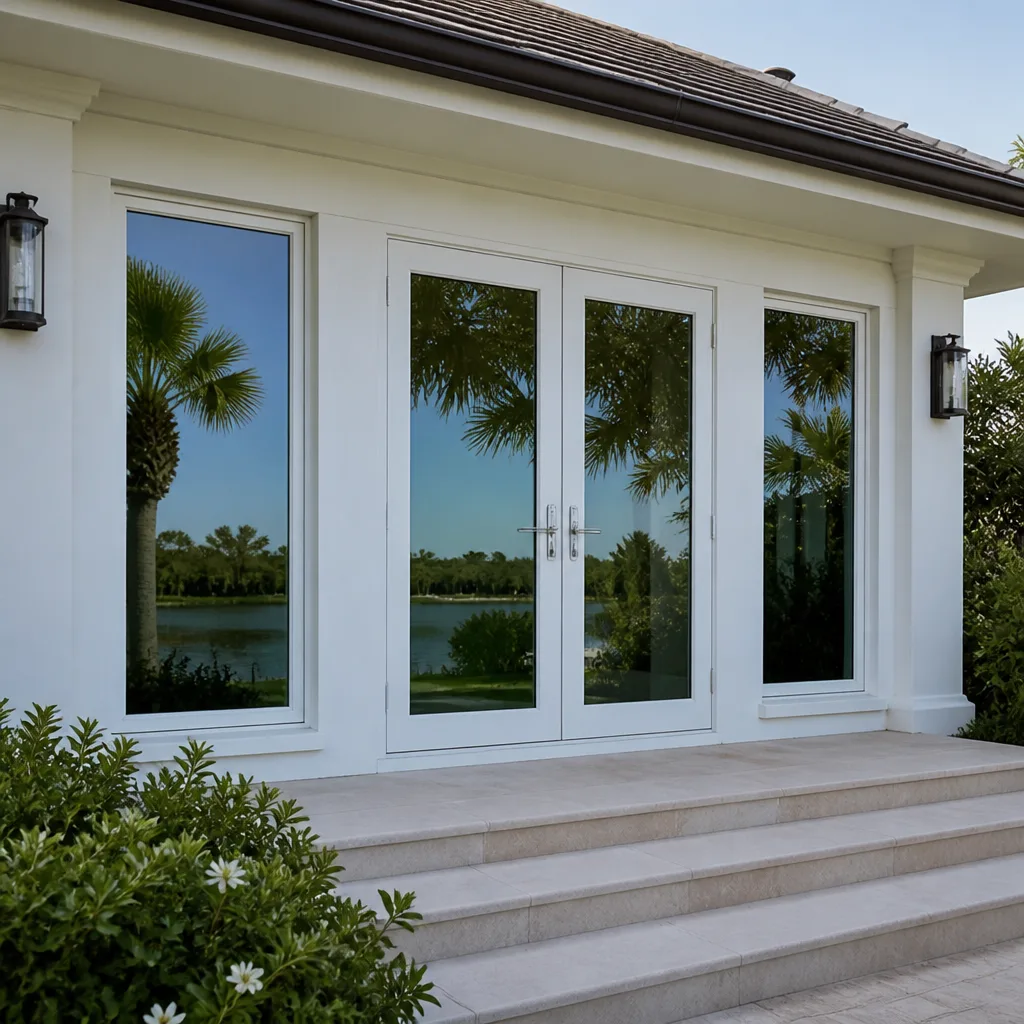
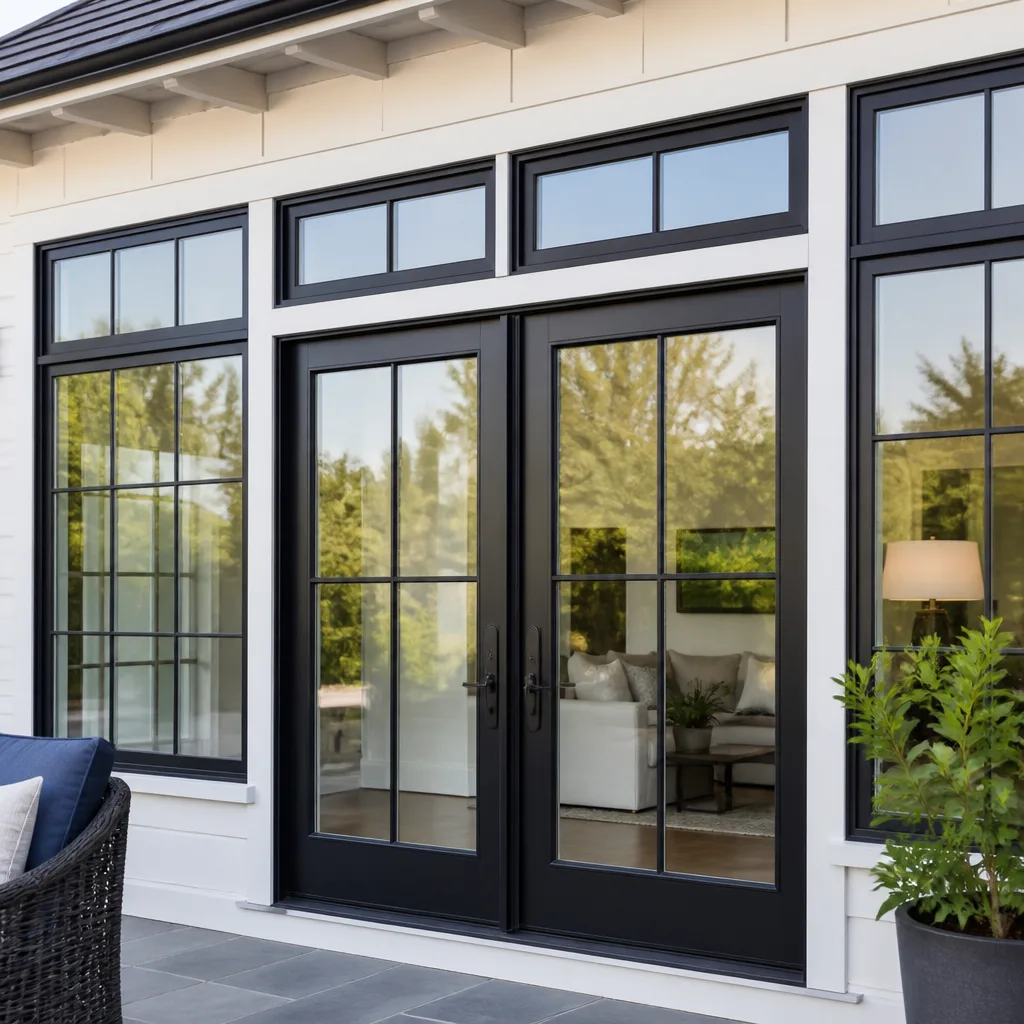
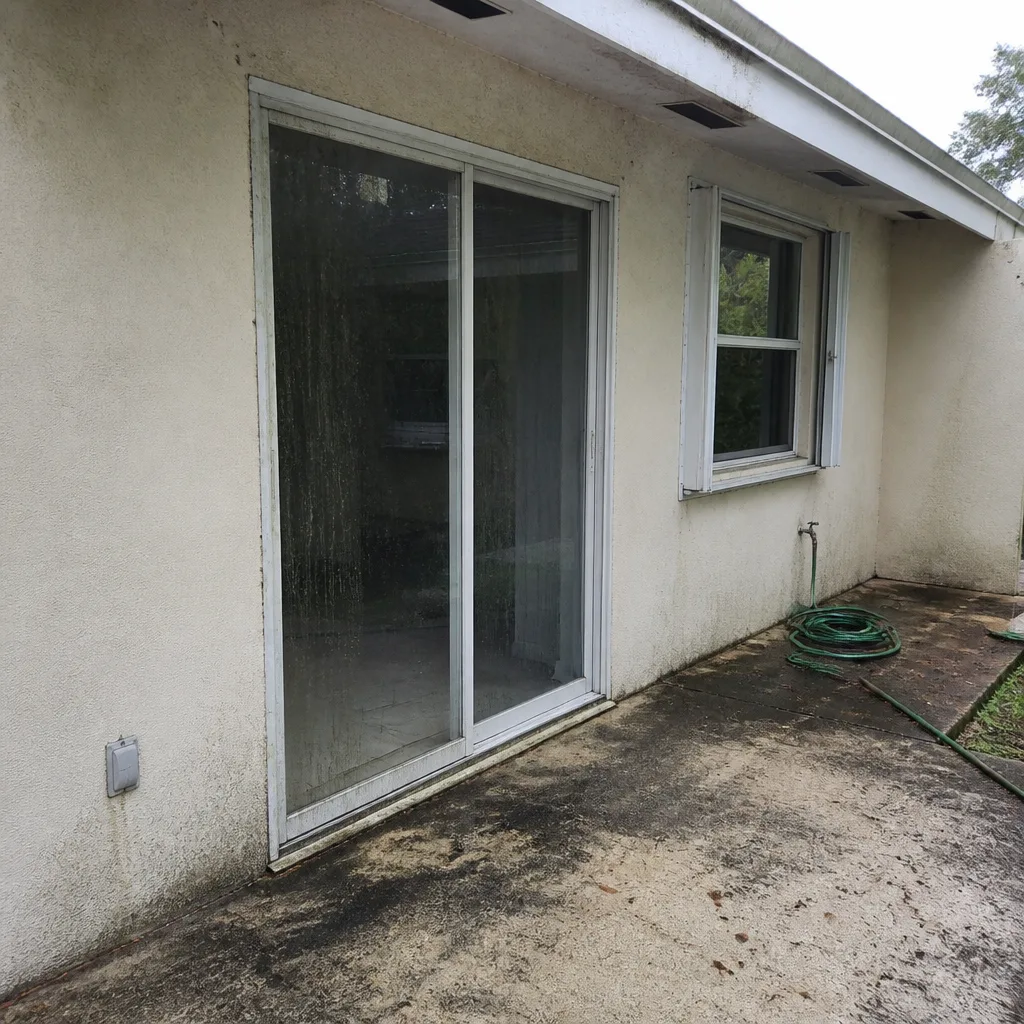 Before
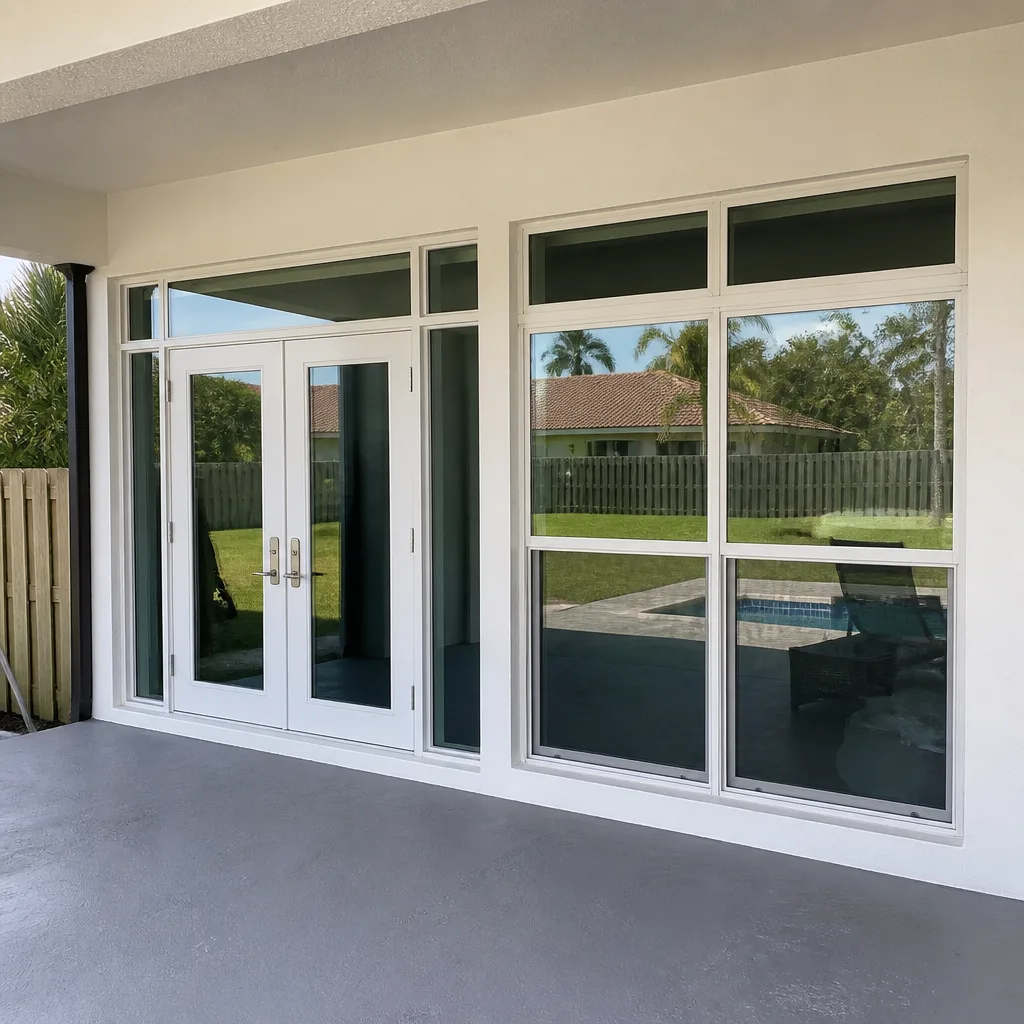 After
After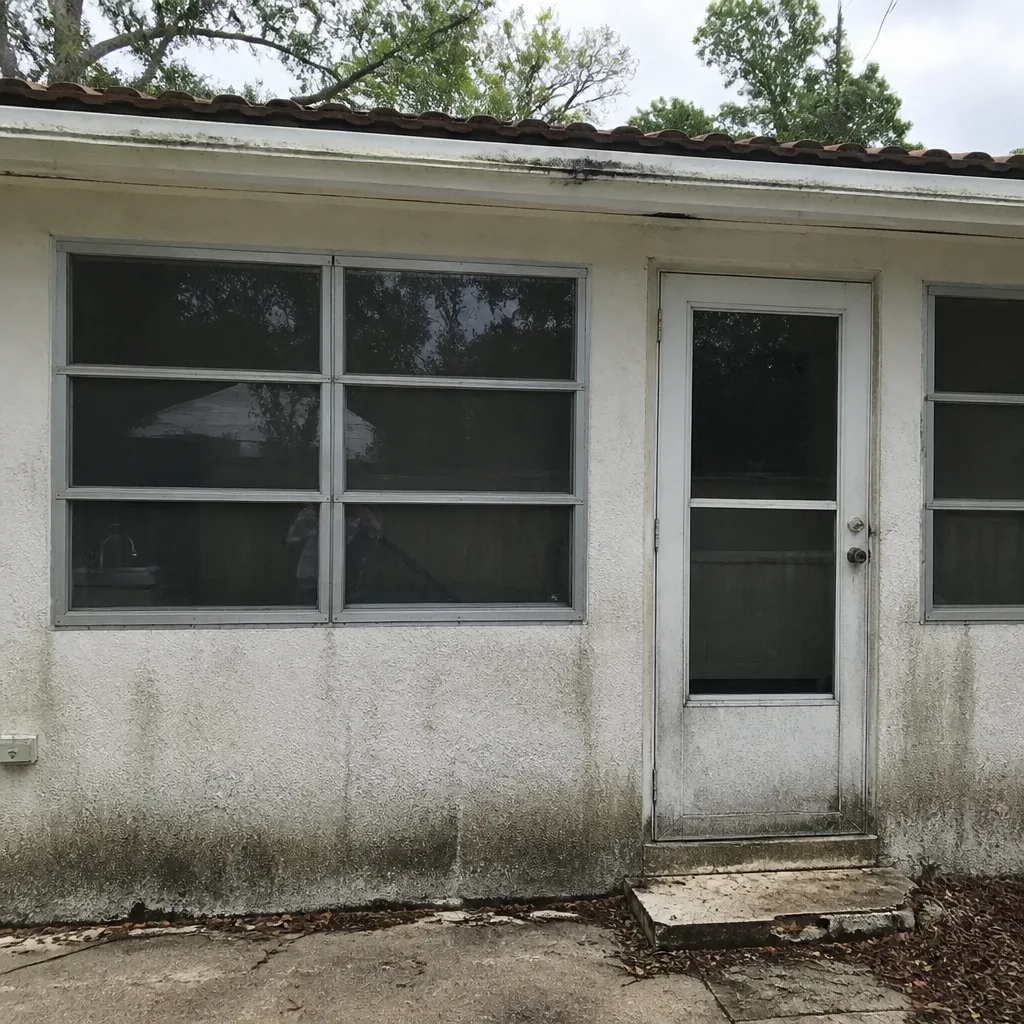 Before
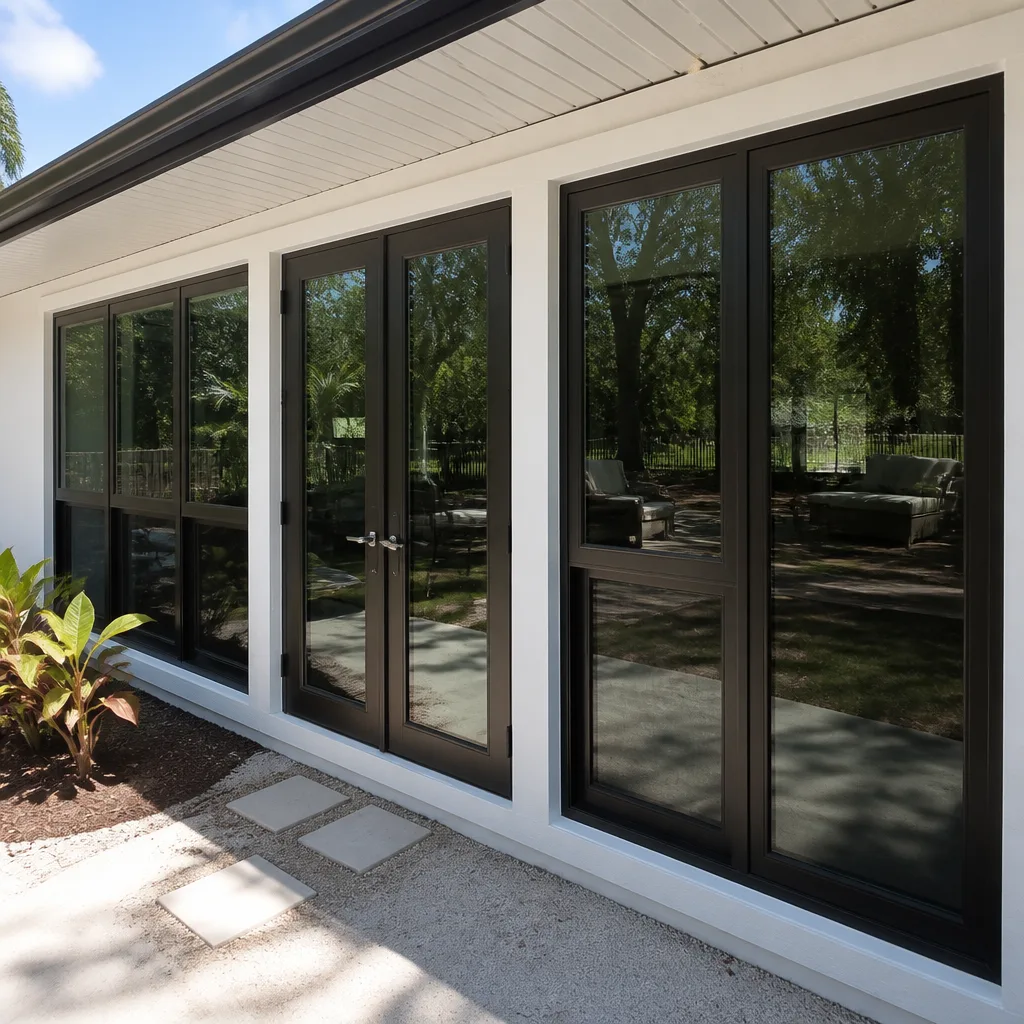 After
After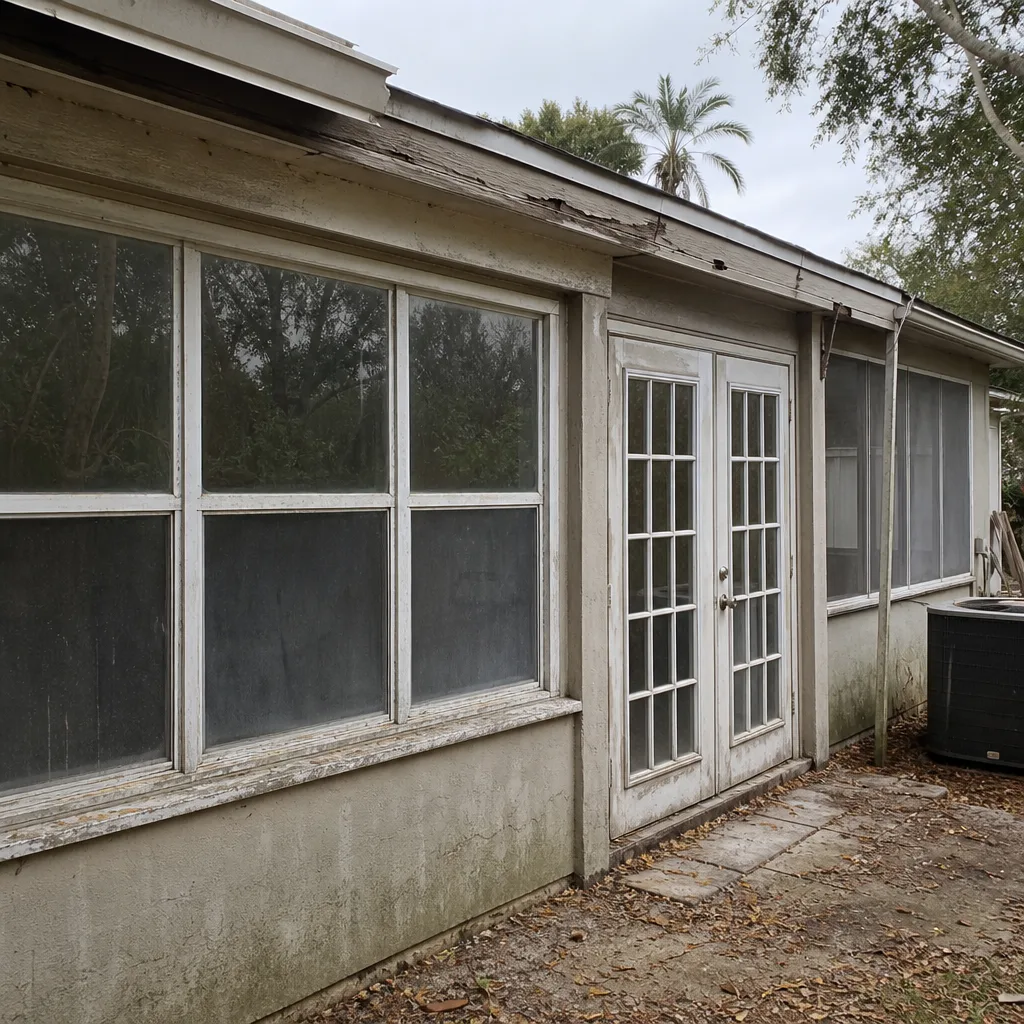 Before
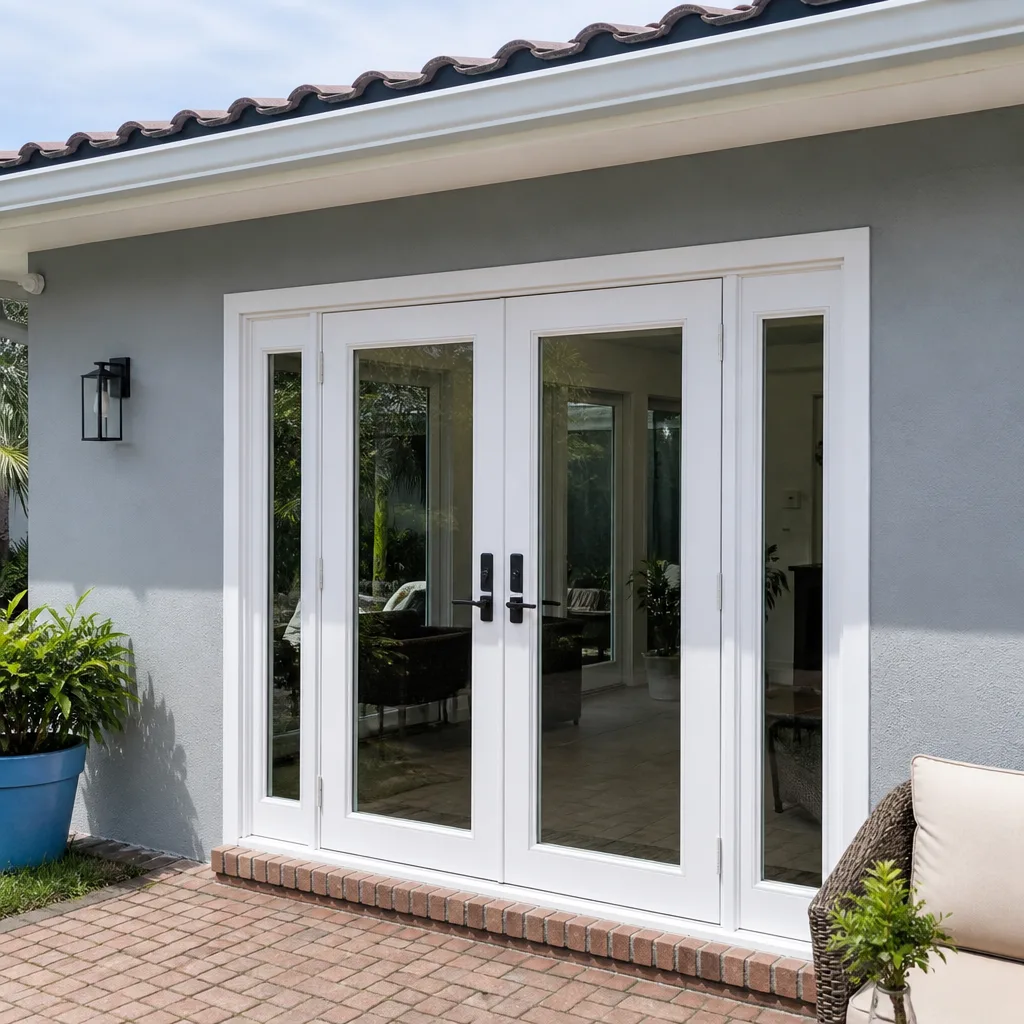 After
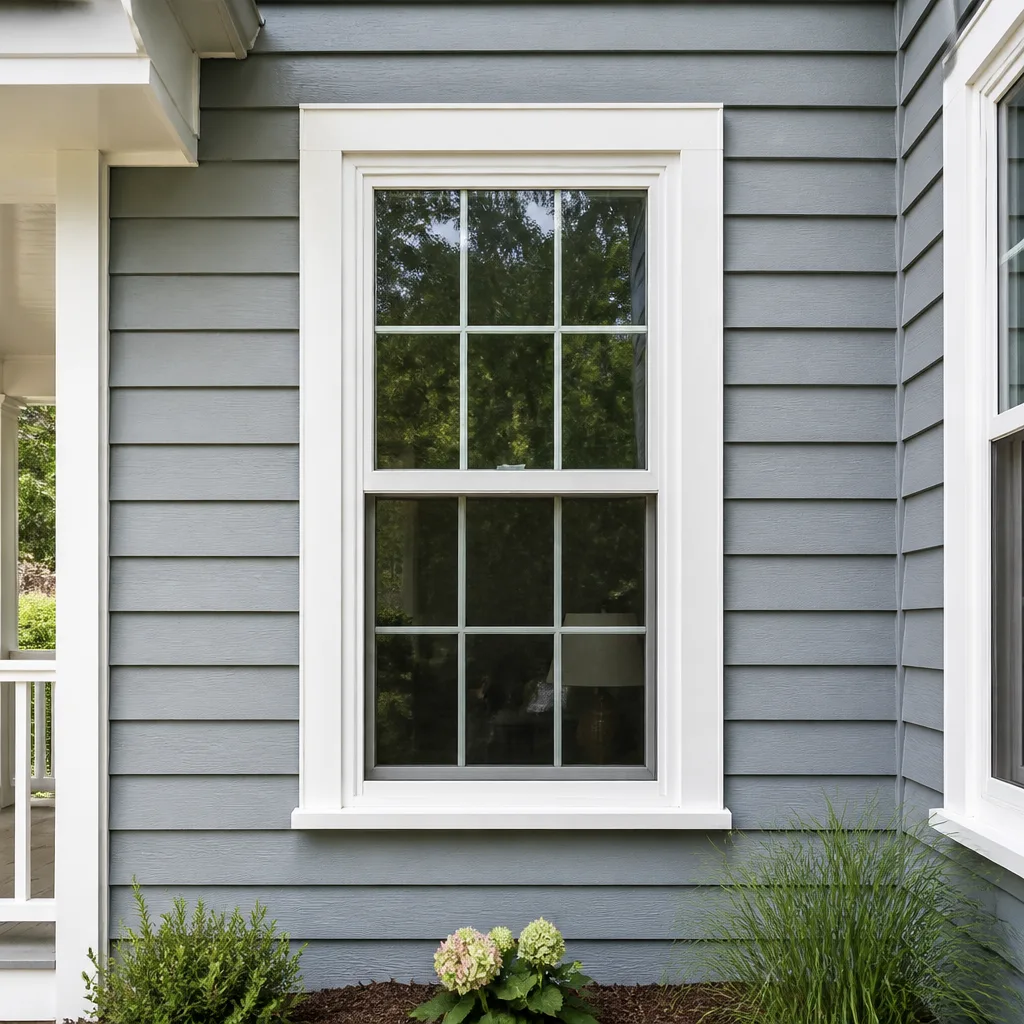
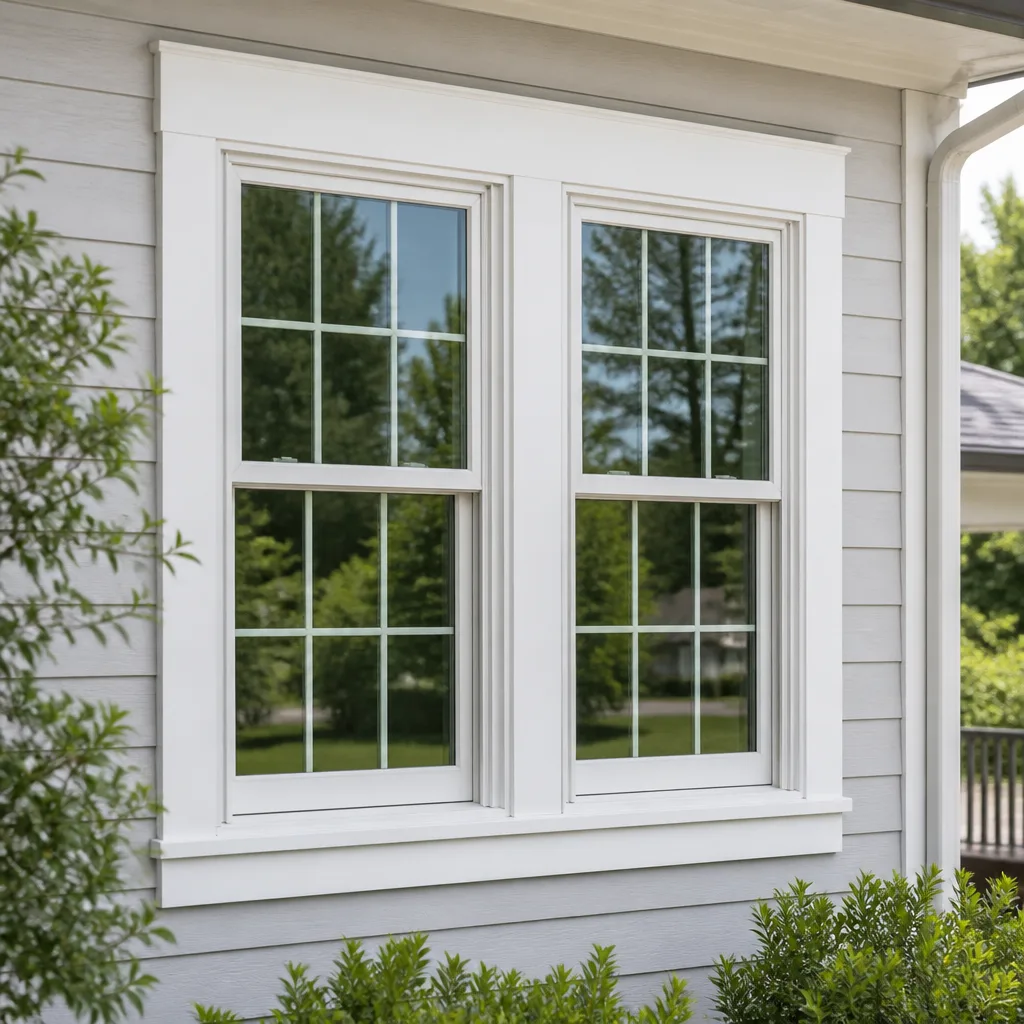
AfterLow-E & Argon Gas Glass in Fountainebleau, FL
Energy-Efficient Windows services like Low-E and argon gas glass upgrades are one of the most cost-effective ways to cut cooling costs in Fountainebleau, where summer heat and intense UV exposure push residential energy bills higher than the Florida average. Low-emissivity (Low-E) coatings reflect infrared heat before it enters your home, and argon gas fill between the panes slows conductive heat transfer – together, the two technologies can reduce solar heat gain through your windows by 40 to 70 percent depending on the glass package you choose. If your current windows fog between the panes, feel warm to the touch on the interior side, or your air conditioner never quite catches up during July afternoons, Low-E argon glass is almost certainly part of the solution.
At Winslow Windows & Doors, Ed Winslow has been helping Fountainebleau homeowners choose and install the right glass packages since 2011. We’re locally owned, and Ed’s name is on every job we do – which means we have a very direct stake in getting the spec right the first time. As an authorized installer for brands including ECO Window Systems, we carry glass packages suited to South Florida’s specific solar conditions, not generic mid-climate products designed for Georgia or the Carolinas. Our work falls under our broader Energy-Efficient Windows in Fountainebleau offering, and every installation is backed by the Done Right Promise: if it’s not done right, we come back and make it right. Call us at (727) 620-6983 – a live person answers every call, around the clock.
When You Need Low-E & Argon Gas Glass
Not every window problem calls for a full frame replacement. Sometimes the glass unit itself is failing, or the home was built or retrofitted with single-pane or standard double-pane glass that was never designed for Fountainebleau’s climate. Here are the clearest signals that Low-E argon glass should be on your radar:
- Condensation or fogging between the panes. When the seal on an insulated glass unit (IGU) breaks, the argon gas escapes and humid outdoor air moves in. The cloudiness you see isn’t dirt – it’s moisture trapped in what is now an empty air gap that offers almost no insulation value. This is common in homes built in the 1990s throughout the Fountainebleau and Westchester areas, where original IGU seals are well past their service life.
- Interior glass surface that feels warm in summer. Touch the inside face of your window on a July afternoon. If it’s noticeably warm, your glass has poor solar rejection and is allowing radiant heat to push straight through into the room. A Low-E coating would block much of that before it crosses the pane.
- Fading furniture, flooring, or window treatments. UV-A and UV-B radiation that passes through untreated glass degrades fabrics and hardwoods over time. Fountainebleau homes with western or southwestern exposure are especially vulnerable to afternoon UV damage. Low-E glass blocks more than 90 percent of UV in most packages we install.
- High cooling bills that don’t match your square footage. If neighbors in similar-sized homes are seeing substantially lower FPL bills, single-pane or low-performance glass is frequently the culprit – particularly in homes built before Florida updated its energy codes in the mid-2000s.
- A recent addition or renovation where new glass doesn’t match the home’s energy goals. Remodels often introduce new framing but carry over old glass units to save money. If your otherwise-efficient home still has one room that’s hard to cool, check the glass vintage on the windows in that space.
- Planning to sell and needing to satisfy a home inspector or buyer’s energy audit. Buyers in Fountainebleau increasingly request energy reports before closing. Upgraded Low-E argon units document measurably better U-values and Solar Heat Gain Coefficients (SHGC), which can simplify a transaction and support your asking price.
Our Low-E & Argon Gas Glass Process
We don’t show up and start pulling frames. Before anything comes out of a wall, we do the diagnostic work that most installers skip – and that’s exactly why our results hold up. Here’s how a Low-E argon glass project in Fountainebleau runs from start to finish:
- In-home glass assessment and measurement. One of our background-checked, uniformed technicians visits your home and evaluates every window you’re considering. We check existing frame condition, measure each rough opening, identify the current glass specification (single-pane, standard double-pane, or failed IGU), and note any Miami-Dade or Broward notice-of-acceptance requirements that apply to your address. Fountainebleau falls in Miami-Dade County, which has some of the strictest fenestration codes in the state – we know those codes by heart so you don’t have to.
- Glass package recommendation and upfront pricing. Based on your home’s orientation, your cooling goals, and your budget, Ed or one of our senior team members will recommend the right Low-E coating class and argon fill configuration. We present one itemized quote with no hidden line items. Upfront pricing, no surprises on the invoice – and seniors and veterans always receive a 10% discount.
- Product ordering from authorized suppliers. We order glass units cut to your exact measurements from our authorized brand partners, which for this type of work often includes ECO Window Systems or ViewLux – two manufacturers whose South Florida product lines are engineered specifically for high-solar-load climates. Lead times vary, and we give you an honest window (no pun intended) rather than promising a date we can’t keep.
- Permit coordination where required. Full window replacements in Miami-Dade typically require a permit and inspection. IGU-only replacements within an existing frame may or may not, depending on scope. We handle the determination and the application – you won’t be chasing the county building department on your own.
- Installation by trained, uniformed technicians. Old glass units come out carefully – we protect interior trim, floors, and furnishings before we touch anything. New units go in with the correct spacer width for your argon fill, proper glazing tape and sealant for Florida’s humidity, and a final check on every seal. We don’t rush to make the next job.
- Post-installation walkthrough and documentation. Before we leave, we walk every upgraded window with you, confirm there’s no fogging, verify smooth operation, and hand over all product documentation including SHGC ratings and manufacturer warranty paperwork. If anything isn’t right, say so on the spot – and remember, the Done Right Promise means we’re accountable long after the truck leaves your driveway.
Low-E & Argon Gas Glass Pricing in Fountainebleau
Low-E argon glass upgrades in Fountainebleau typically run between $280 and $950 per window opening, depending on a handful of factors. IGU-only replacements (new glass dropped into an existing frame in good condition) sit toward the lower end of that range. Full window replacements – new frame, new glass, new hardware – move toward the higher end. Here’s a tighter breakdown of what affects your number:
- Glass size and shape: A standard 3×4 double-hung costs substantially less to glaze than a 6-foot sliding glass unit or a custom geometric shape. Non-rectangular openings require cut-to-order glass and additional labor time.
- Low-E coating tier: Not all Low-E coatings are equal. “Soft coat” Low-E (also called sputtered coating) offers better performance but must be factory-sealed inside an IGU. “Hard coat” Low-E can survive surface exposure but has lower solar rejection numbers. For Fountainebleau’s climate, we almost always recommend a soft-coat, dual-silver or triple-silver Low-E – the SHGC numbers are meaningfully better, and the long-term energy math favors the modest upcharge.
- Argon vs. krypton fill: Argon is the standard and the right choice for most residential applications here – it performs well and keeps cost manageable. Krypton fill is denser and performs slightly better in very narrow air gaps, but the premium rarely pencils out for typical Fountainebleau single-family homes.
- Frame replacement vs. glass-only: If your frames are aluminum, in solid shape, and meet current Miami-Dade code, a glass-only upgrade can deliver most of the efficiency gain at a fraction of the full-replacement cost. We’ll tell you honestly whether your frames are worth keeping – we don’t push full replacements when they’re not necessary.
- Number of openings: Multi-window projects almost always qualify for a better per-unit price because mobilization cost is spread across more work. If you have five or more windows to upgrade, mention that when you call – the pricing will reflect it.
If your repair or upgrade total exceeds $200, our standing $40 off any repair over $200 offer applies. Estimates are free, and we don’t charge a trip fee within Miami-Dade County. Call (727) 620-6983 for an exact quote – someone will pick up and give you a straight answer.
Why Fountainebleau Homeowners Choose Winslow
Fountainebleau sits just west of Miami proper, and the neighborhood’s housing stock runs from mid-century CBS (concrete block structure) homes to more recent townhome construction. That mix means window openings come in non-standard sizes more often than contractors from outside the area expect. Ed Winslow has been measuring and ordering for these homes long enough to know that the “standard” sizes in a manufacturer’s catalog frequently don’t match what’s actually in a Fountainebleau wall – and that getting it wrong means a second site visit, a re-order, and weeks of delay for the homeowner.
We’re also familiar with the specific micro-climate effects in this part of Miami-Dade. Homes on the western side of Fountainebleau near the Tamiami Trail corridor get sustained afternoon sun exposure from the southwest – the worst possible angle for solar heat gain with standard glass. In that zone, we regularly specify Solar & Tinted Glass Options with a higher-performance Low-E coating than we’d use for a north-facing elevation, because the cumulative heat load over a Miami-Dade summer is genuinely different from what you’d see on the east side of the same block.
Beyond the technical side, the experience of working with us is straightforward. No voicemail loops. No callback windows. No vague timelines. Ed’s name is on the business, which means accountability is built in – not bolted on as a marketing claim. Our technicians are background-checked before they set foot in your home, and you’ll know exactly who’s coming before the truck pulls up. That matters to a lot of Fountainebleau homeowners who’ve had less reassuring experiences with larger contractors.
We’re also an authorized installer for several premium brands that matter in South Florida’s market. ECO Window Systems, for example, manufactures products that have been tested and certified specifically for Florida’s high-wind and high-humidity environment – not just adapted from northern product lines. ViewLux glass packages carry SHGC ratings that meet and often exceed Florida’s current energy code thresholds. When you’re making a long-term investment in your home’s glass, that kind of product specificity matters more than a brand name you recognize from a national TV spot.
If you want to understand more about our full range of efficiency solutions, our Energy-Efficient Windows in Fountainebleau page covers the broader picture – from frame materials to impact-rated options to Miami-Dade compliance considerations.
FAQs – Low-E & Argon Gas Glass in Fountainebleau
What is the difference between Low-E glass and standard double-pane glass?
Standard double-pane glass reduces conductive heat transfer because there’s an air gap between the two panes – but it doesn’t meaningfully block radiant heat from the sun. Low-E glass adds a microscopically thin metallic oxide coating to one or more surfaces of the glass, which reflects infrared and UV radiation back before it enters the interior, providing UV-Blocking & Fade Protection. In Fountainebleau’s climate, where solar radiation is intense for the better part of ten months a year, that reflective coating makes a measurable difference in how hard your air conditioner has to work. When you combine Low-E with argon gas fill (which is denser than air and slows conductive transfer further), you get a glass unit that outperforms standard double-pane on both the solar and conductive sides of the heat-transfer equation. Call (727) 620-6983 if you’d like a side-by-side comparison of the SHGC ratings for your specific situation – estimates are free.
Will argon gas leak out of my windows over time?
Yes, very slowly – that’s normal and expected. A well-manufactured, properly sealed IGU loses roughly 1 percent of its argon fill per year under normal conditions, according to industry testing data. After 20 years, a good unit still contains 80 percent or more of its original fill, which means performance remains close to rated spec for most of a window’s useful life. The more relevant concern is seal failure, which causes rapid gas loss and the fogging you see between the panes. Quality manufacturing and correct installation seal technique are the variables that determine how long your IGU stays intact – which is one reason we order from authorized suppliers and don’t cut corners on the glazing process.
Can Low-E argon glass be installed in my existing window frames in Fountainebleau?
Often, yes – but it depends on the frame condition and whether the existing frame meets current Miami-Dade code requirements. Many aluminum frames in Fountainebleau’s older housing stock are structurally sound but have worn seals or hardware. If the frame itself is in good shape and the rough opening dimensions are consistent, we can frequently drop a new Low-E argon IGU into the existing frame at a lower cost than a full replacement. We make that determination at the in-home assessment, and we’ll tell you plainly what we find – not what maximizes the invoice. Call (727) 620-6983 to schedule a free look at your windows.
How much can I realistically save on my energy bills after upgrading to Low-E argon glass?
Savings depend on your current glass type, home orientation, square footage, and FPL rate – so we won’t give you a number that’s true for every house. What we can say is that homeowners in Fountainebleau who upgrade from single-pane or failed double-pane glass to a quality Low-E argon package typically see their cooling load drop noticeably within the first billing cycle after installation. DOE and ENERGY STAR data for the South Florida climate zone generally show annual cooling savings of $100 to $400 per home for a full window upgrade, with the higher end applying to homes with significant west and south exposure. Our specific glass packages from ECO Window Systems carry published Window Energy Audits & Ratings with SHGC and U-factor ratings, so we can show you the technical specs before you commit. Call (727) 620-6983 – a live person will pick up and we can talk through the numbers for your specific home.
Get a Free Estimate for Low-E & Argon Gas Glass in Fountainebleau
If you’re ready to stop overpaying on cooling bills or dealing with fogged, failed glass units, the next step is a free in-home estimate. We’ll measure every opening, assess your current glass, explain your options in plain language, and hand you a written quote with no hidden charges. There’s no trip charge for homes in Miami-Dade County, and the $40 discount applies to any repair or upgrade project over $200. Seniors and veterans receive 10% off, always – no expiration date, no fine print.
Call (727) 620-6983 today. Someone will answer – not a voicemail system, not a call center, a real person connected to a locally owned business that has been working in Fountainebleau since 2011. Ed Winslow’s name is on this company, and on every job we do. We’re not a national chain with a regional office and a customer service ticket queue. We’re the one down the road.
Written by Ed Winslow, Owner at Winslow Windows & Doors, serving Fountainebleau since 2011.
Six Reasons Homeowners Choose Winslow Windows & Doors
Impact systems engineered to design pressures up to +/-100, matched to your wind zone - your openings hold when the storm arrives.
Low-E insulated impact glass from our manufacturer lines commonly cuts monthly cooling bills 20-30%.
Laminated impact glass shuts out up to 40% of outside noise - traffic, neighbors, weather.
Monitoring services run $30-90 a month. Laminated impact glass resists forced entry around the clock, with no subscription.
Florida homeowners average around 25% savings on the windstorm portion of their policy after protecting every opening - some homes qualify for more.
A full impact package upgrades curb appeal, buyer confidence and appraised value in one project.